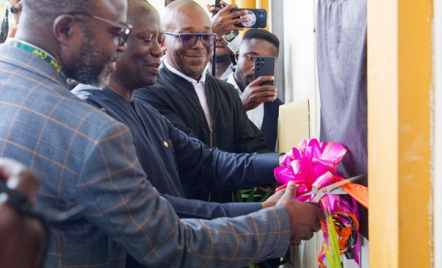

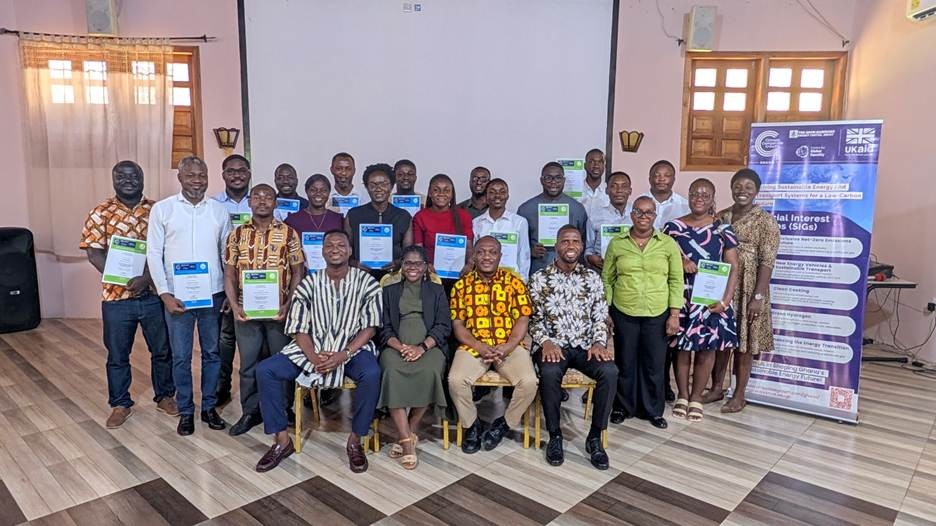
The Climate Compatible Growth (CCG) Ghana Network, in collaboration with the Brew-Hammond Energy Centre (TBHEC) at the Kwame Nkrumah University of Science and Technology (KNUST) and the Regional Centre for Energy and Environmental Sustainability (RCEES) at the University of Energy and Natural Resources (UENR), has successfully concluded a two-week national training programme in Climate, Land, Energy and Water Systems (CLEWs) modelling and Financial Planning of Energy Infrastructure (FINPLAN).
The training, held from 21 September to 2 October 2026, brought together 20 professionals from government institutions, regulatory agencies, academia, research organisations, civil society and the energy sector to strengthen their technical capacity in sustainable energy planning, financial assessment and climate-compatible development.
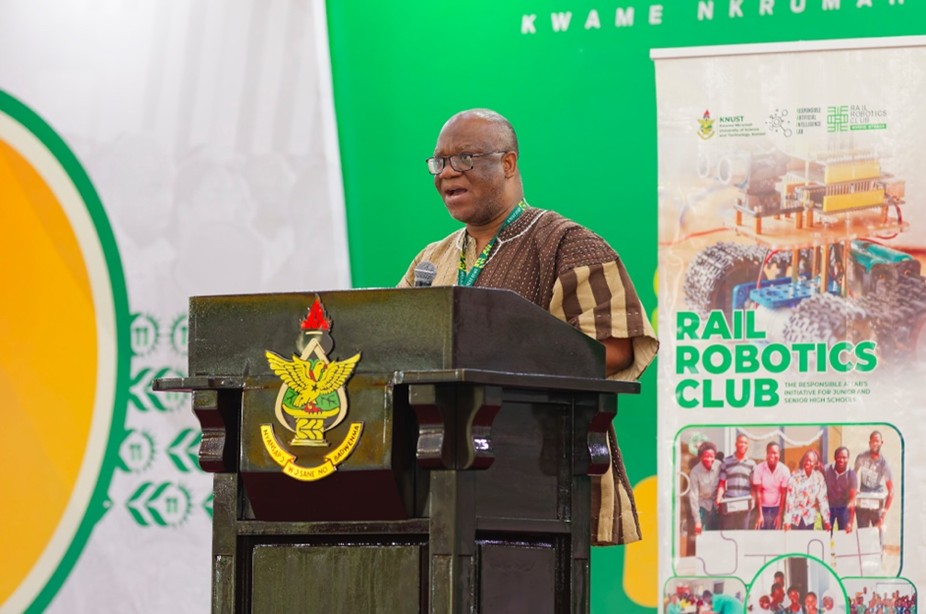
Six facilitators delivered the programme through technical presentations, practical modelling sessions, case study development, scenario analysis and group presentations. Participants also undertook preparatory online courses in Modelling, Policy and Political Economy, as well as specialised training in their selected areas before the commencement of the in-person sessions.
The programme was structured into two specialised tracks: CLEWs and FINPLAN. The CLEWs track engaged eight participants in exploring the interconnections between climate, land, energy and water systems, with particular emphasis on how decisions in one sector influence outcomes in others.
Participants examined the Water–Energy–Food nexus, energy systems modelling, land and agricultural systems, water representation, cross-sectoral relationships and scenario development. As part of the practical exercises, they developed four Ghana-focused case studies covering low-emission development pathways towards 2063, land and water implications of the net-zero transition, sustainable irrigation agriculture, and biomass and electric cooking pathways.
The FINPLAN track, which involved 12 participants, focused on building expertise in the financial assessment of energy infrastructure projects. Training sessions covered financial concepts, case study design, data requirements, financial statements, model evaluation, financial analysis, and scenario-based risk and sensitivity assessment.
Each participant developed an individual case study addressing a relevant aspect of Ghana's energy sector. The projects explored investment opportunities in solar mini-grids, utility-scale solar photovoltaic systems, combined-cycle thermal power, waste-to-energy, gas-fired generation, onshore wind, hydropower and nuclear power. Participants also assessed how macroeconomic uncertainties, financing risks and changing assumptions could influence investment decisions and project viability.
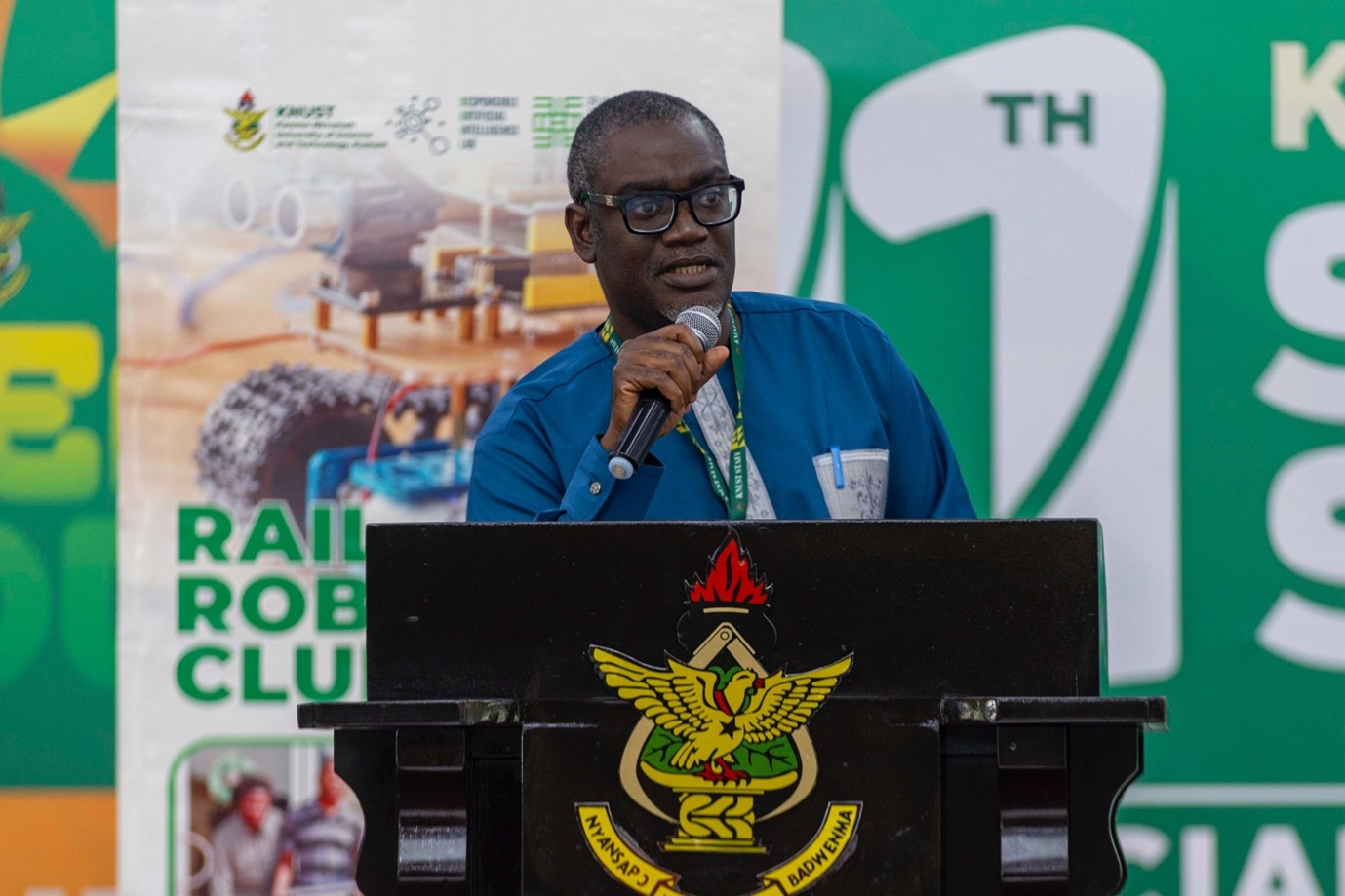
Practical application formed a central component of the programme, with participants developing models, testing different scenarios, analysing results and presenting their findings. The training concluded on 2 October 2026 with four group presentations from the CLEWs track and 12 individual presentations from the FINPLAN track, followed by technical feedback from facilitators and fellow participants.
The programme generated several technical outputs, including case studies, model results, presentations, training reports and supporting project files. Participants were also provided with dedicated digital repositories containing presentations, assignments, reading materials and other technical resources to facilitate continued learning and the application of the modelling tools.
The successful completion of the training represents an important contribution to strengthening Ghana's capacity for integrated climate, energy, water, agriculture and infrastructure planning. Through the combination of technical instruction, practical exercises and Ghana-specific case studies, the programme provided participants with valuable analytical skills and opportunities for professional collaboration across sectors.
The knowledge and experience gained are expected to support the adoption and continued application of CLEWs and FINPLAN methodologies within participating institutions, contributing to more informed policy development, sustainable infrastructure investments and climate-compatible development planning in Ghana.