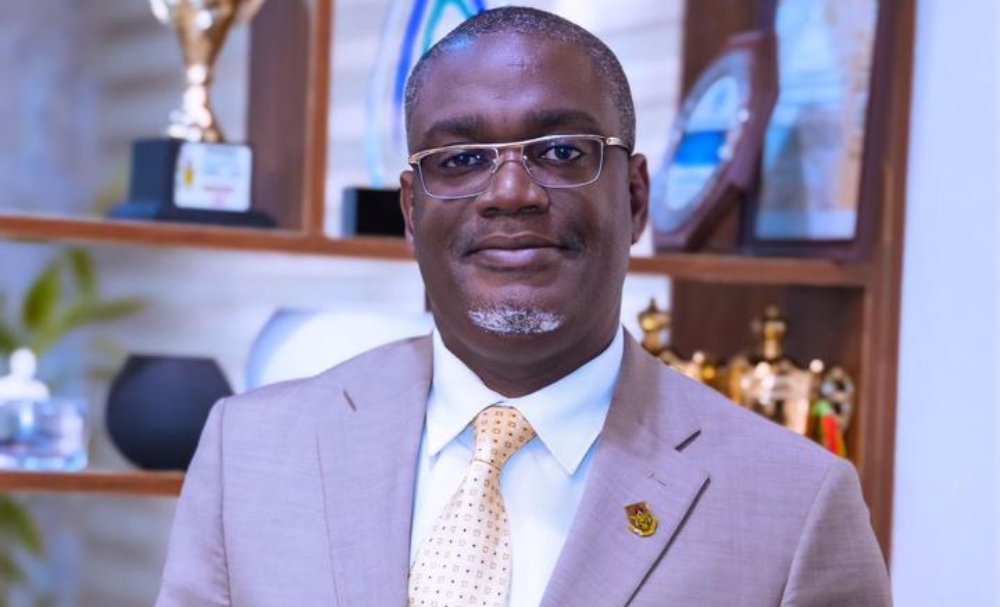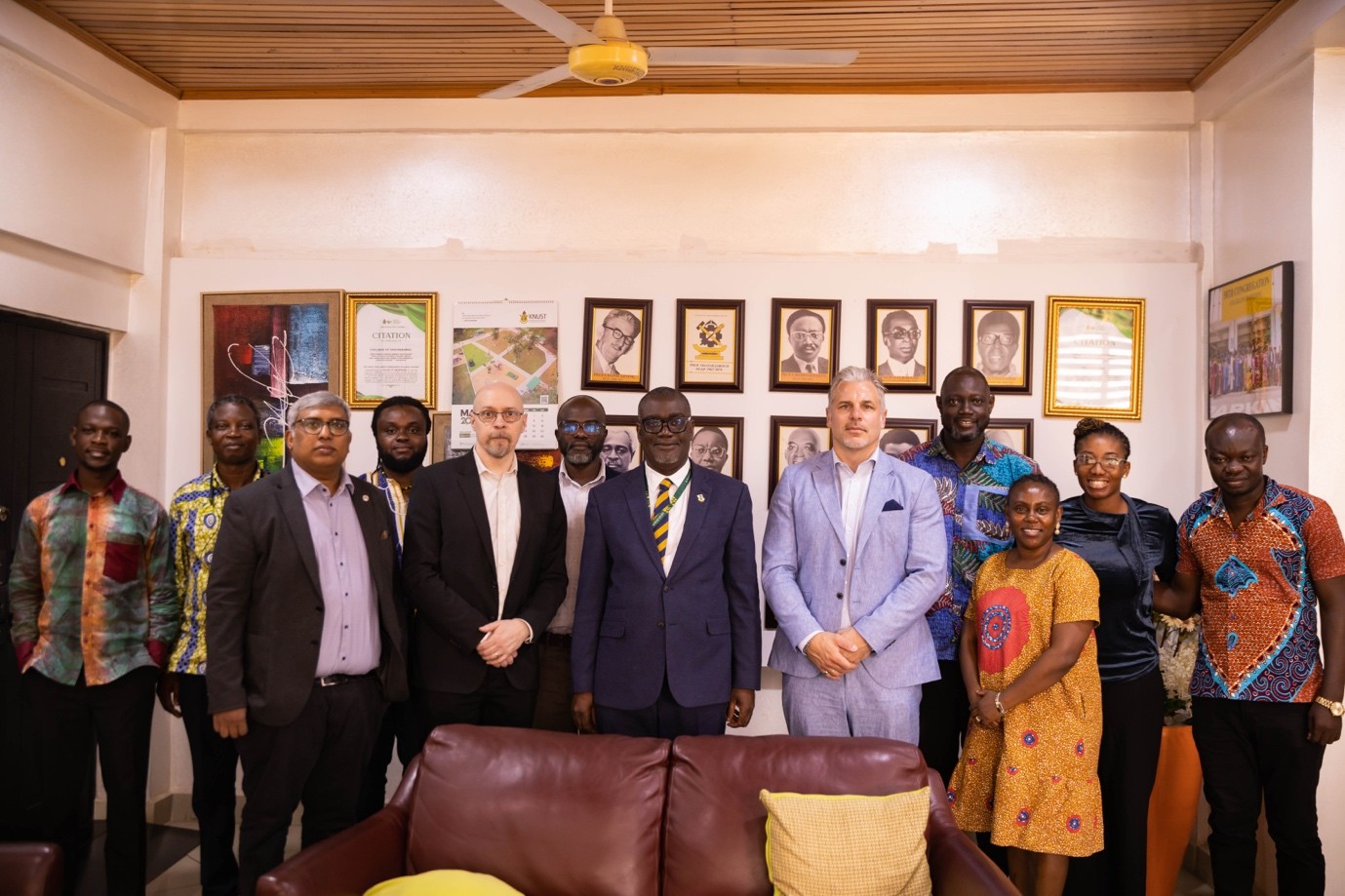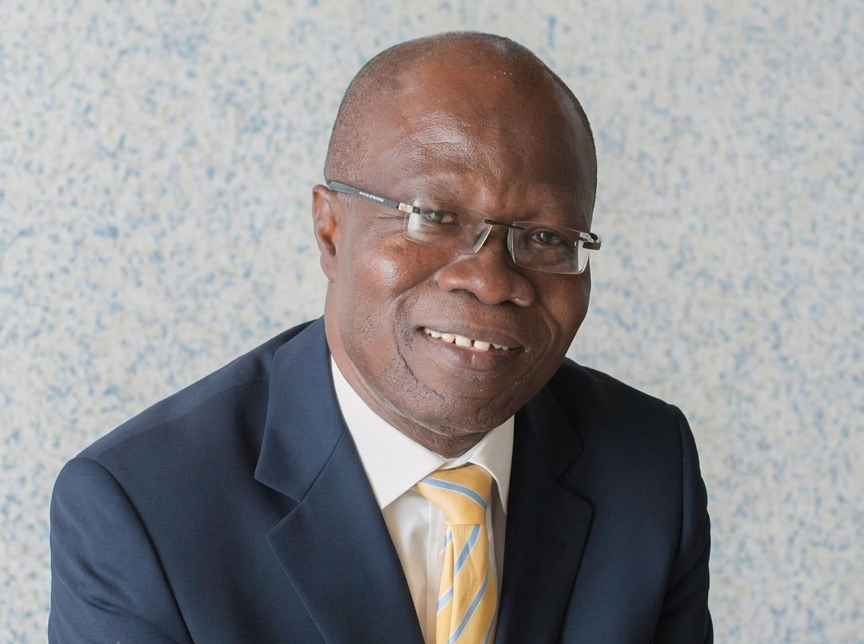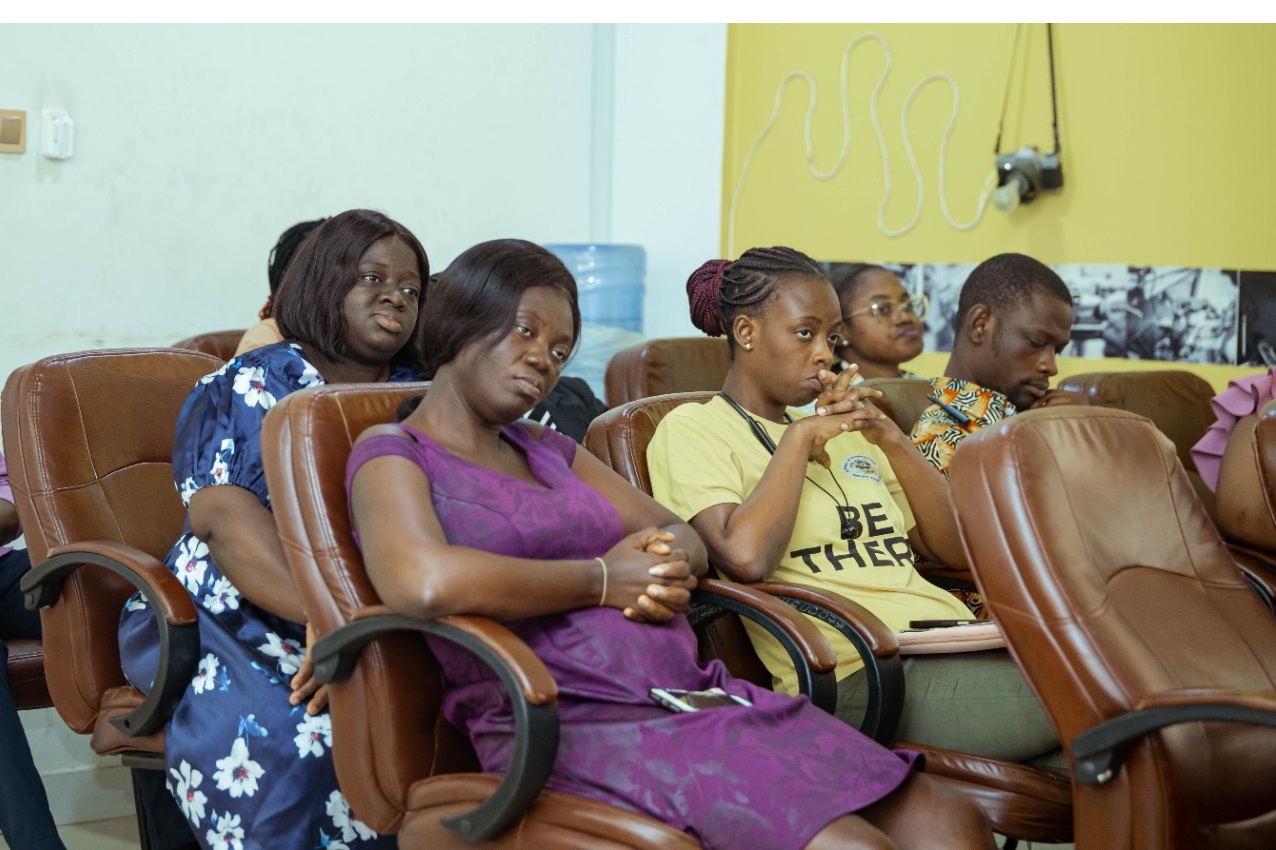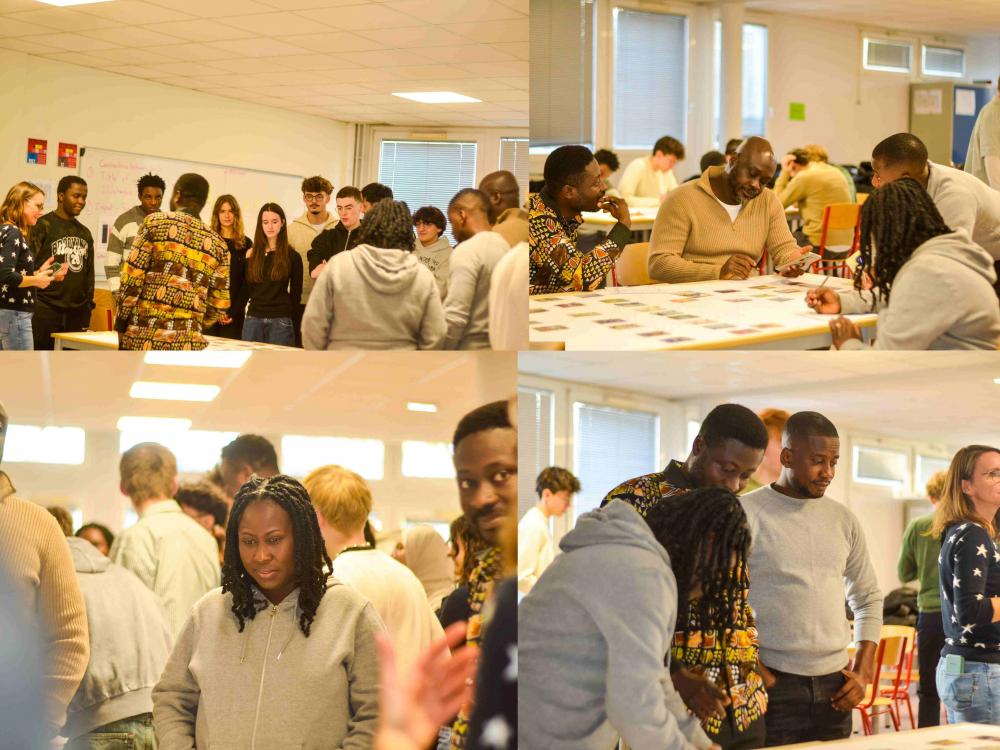
Delegations from the College recently participated in a week-long International Week at Junia University (Junia_ingénieurs) in France. The event, organized by the International Relations Office of the Université Catholique de Lille, brought together partner institutions to celebrate the university’s 150th anniversary and foster academic collaboration through the Erasmus+ international exchange initiative.
The DIPPER Lab team from the College actively engaged in workshops designed to strengthen research and innovation partnerships. A highlight of their participation was the Climate Fresk workshop, an interactive session where researchers collaboratively built a visual representation of climate change science, focusing on its causes, impacts, and feedback loops.
The DIPPER Lab delegation included:
-
Dr. Enoch Bessah, Climate & Ecosystems Service Monitoring.
-
Dr. Prince Odame, Lead for Child Health & Innovation.
-
Mrs. Christiana Selorm Aggor, Administrator.
-
Dr. Caleb Ocansey Melanya, Lead for International Partnerships & Innovation, also delivered a specialized session on soil and ecosystem health.
The KNUST Department of Computer Engineering also played a pivotal role in the academic exchange. Members of the department were received by Florence Malaise, Director of International Relations at JUNIA, alongside representatives from other global partner universities.
Two key academic presentations highlighted KNUST’s commitment to solving regional challenges through technology:
-
Dr. Andrew Selasi Agbemenu delivered a lecture titled "Bridging the Silicon Divide: Building Analog and Mixed-Signal IC Design Capacity in Africa Through Strategic Partnerships," addressing critical infrastructure needs in the African tech sector.
-
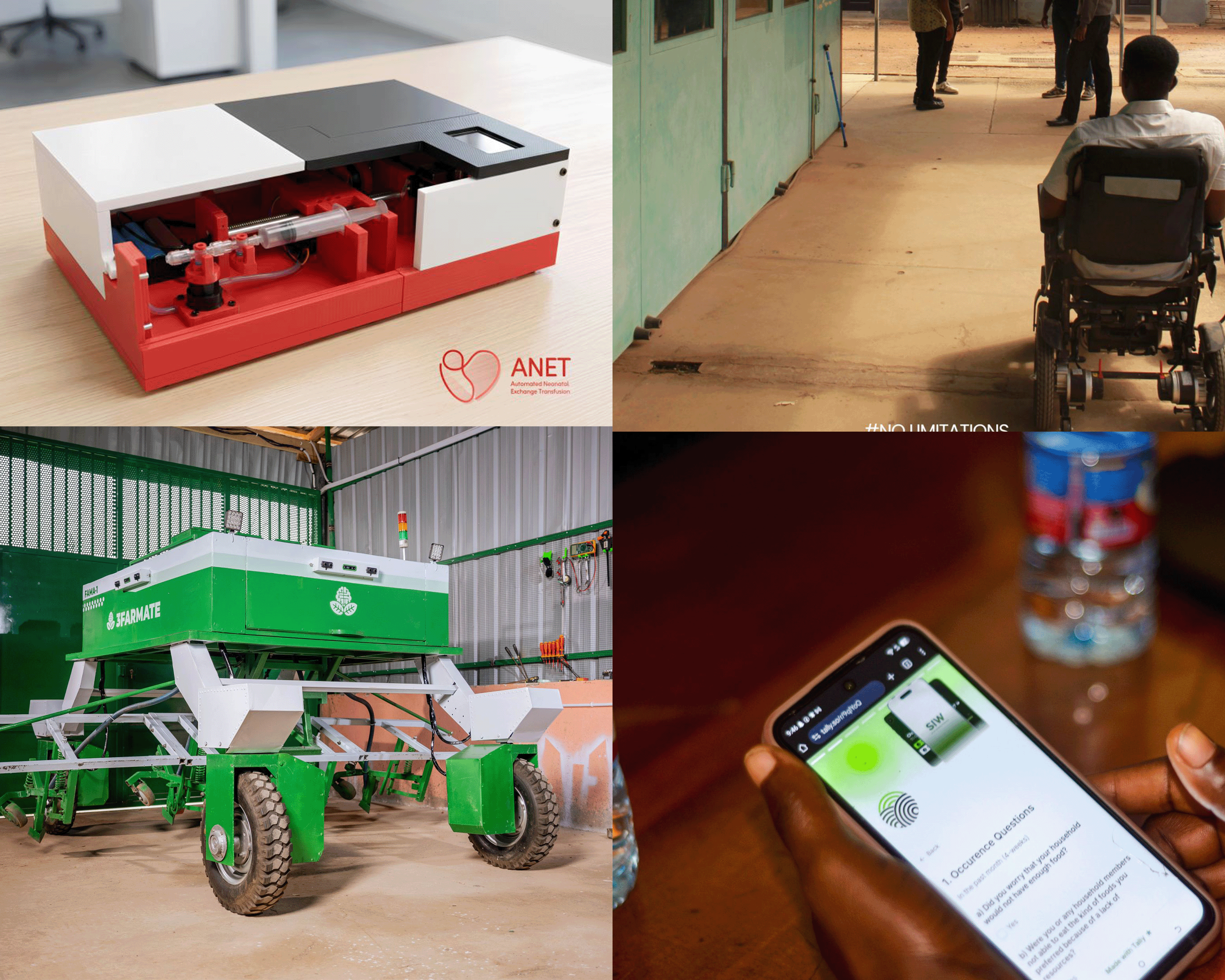
Prof. Eric Tutu Tchao, Head of the Department, presented on "Fundamental Trade-offs in IoT Systems Design in Resource-Constrained Environments." His session featured impactful case studies on smart agriculture and the detection of illegal mining in Ghana.
This week-long engagement marks a significant milestone in the ongoing partnership between KNUST and its European counterparts. By sharing expertise in fields ranging from environmental science to advanced computer engineering, the visit has paved the way for future student exchanges, joint research projects, and enhanced teaching opportunities.
The Erasmus+ program continues to serve as a vital platform for KNUST researchers to showcase Ghanaian innovation on the world stage while building the networks necessary to address global challenges.