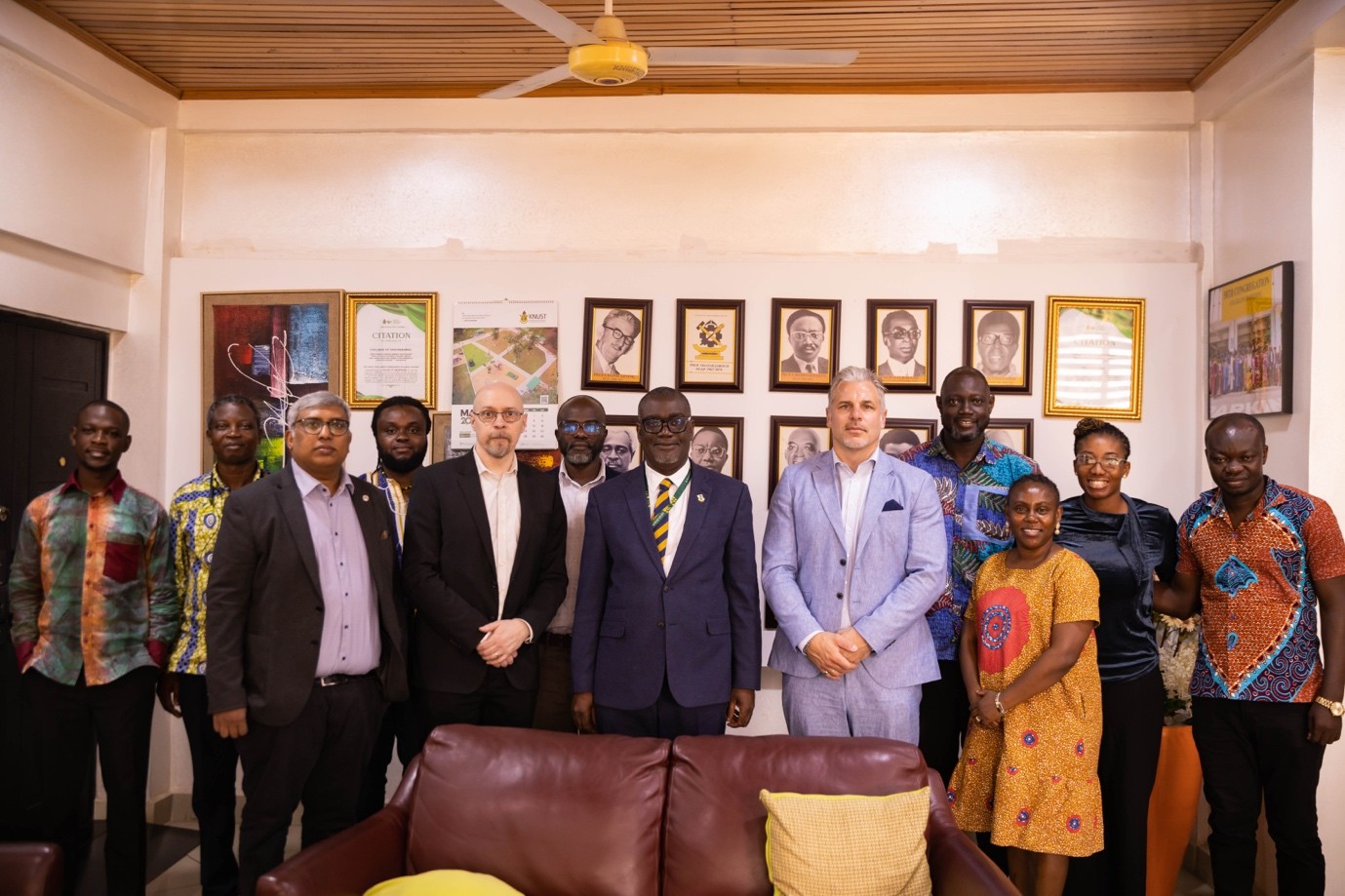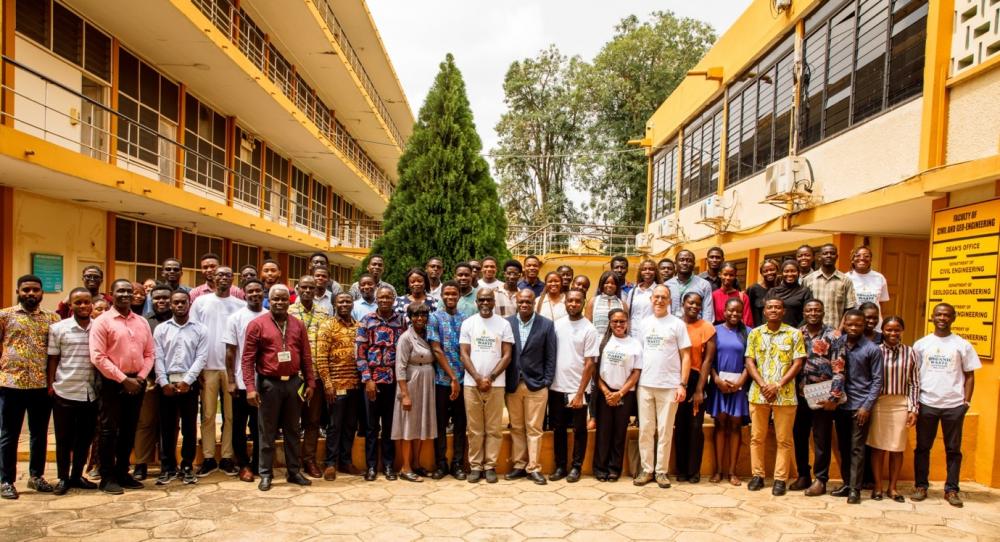
A significant step towards a greener future has been taken with the official launch of the KNUST Organic Waste Diversion Project. This transformative initiative, hosted by The Brew-Hammond Energy Centre (TBHEC) and funded by the Clean Air Task Force (CATF), unites academia, the Kumasi Metropolitan Assembly, the Environmental Protection Authority, Oforikrom Municipal Assembly and private-sector expertise to tackle environmental challenges through innovation and collaboration.

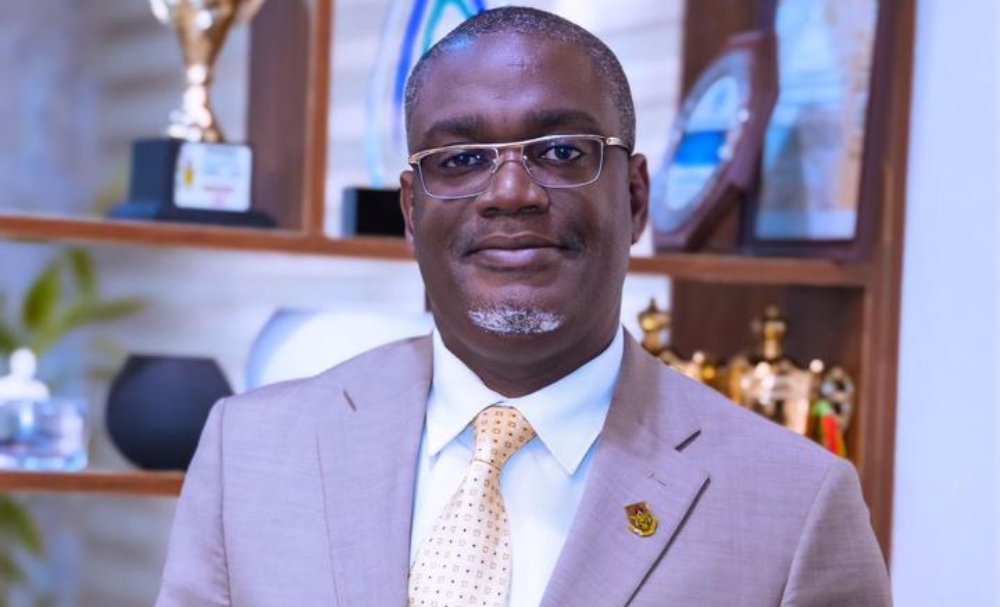
Representing the Provost of the College of Engineering, Prof. Kwaku Amaning Adjei, Dean of the Faculty of Civil and Geo-Engineering, emphasised the College's mandate to drive research that meets societal needs, stating that sustainable waste management is among our era's most pressing challenges.
"This project is a powerful demonstration of what is possible when academic institutions and global organisations unite for climate resilience," Prof. Adjei said. "It moves beyond a pilot to become a model for how KNUST can lead in climate action, fostering applied research and community-centred innovation right here on our campus."
He expressed gratitude to the Clean Air Task Force for its instrumental partnership, to the project team led by Prof. Francis Kemausuor, and to the valued collaborators.

Prof. Lena Dzifa Mensah, representing the Director of TBHEC, highlighted the project's core mission: promoting sustainability by transforming organic waste from a disposal problem into valuable products, such as compost, thereby advancing a circular economy.

Aligning with city-wide goals, Mr Robert Buahin, Senior Engineer at the Kumasi Metropolitan Assembly (KMA), shared compelling data: Kumasi generates approximately 2,000 tons of waste daily, of which 60% is organic.
"Diverting this waste from landfills is a triple win," Mr. Buahin stated. "It mitigates harmful methane emissions, reduces municipal management costs, and creates economic opportunities through job creation and compost for agriculture. For true sustainability, all stakeholders must own this project to ensure it can be replicated across Ghana."

Mr. Christopher Godlove from the Clean Air Task Force explained CATF’s global focus on practical climate solutions. "This project perfectly crystallises the link between technical skills and essential behavioural change," he noted. "It's a partnership that improves quality of life, informs policy, and showcases a viable model for other institutions."

The project's Principal Investigator, Prof. Francis Kemausuor, provided an overview, detailing the journey from initial discussions on methane emissions to the creation of a focused, scalable campus model. Key strategic goals include promoting sustainable waste management, advancing circular-economy practices, reducing landfill methane emissions, and creating a blueprint for other institutions.
He reported promising early progress: a successful partnership with Safisana for collection has achieved a 99% acceptance rate from participating campus restaurants, with over 20 tons of organic waste diverted since August 2025. “The formation of the Energy and Sustainability Society will be key to expanding engagement to student halls,” he added.

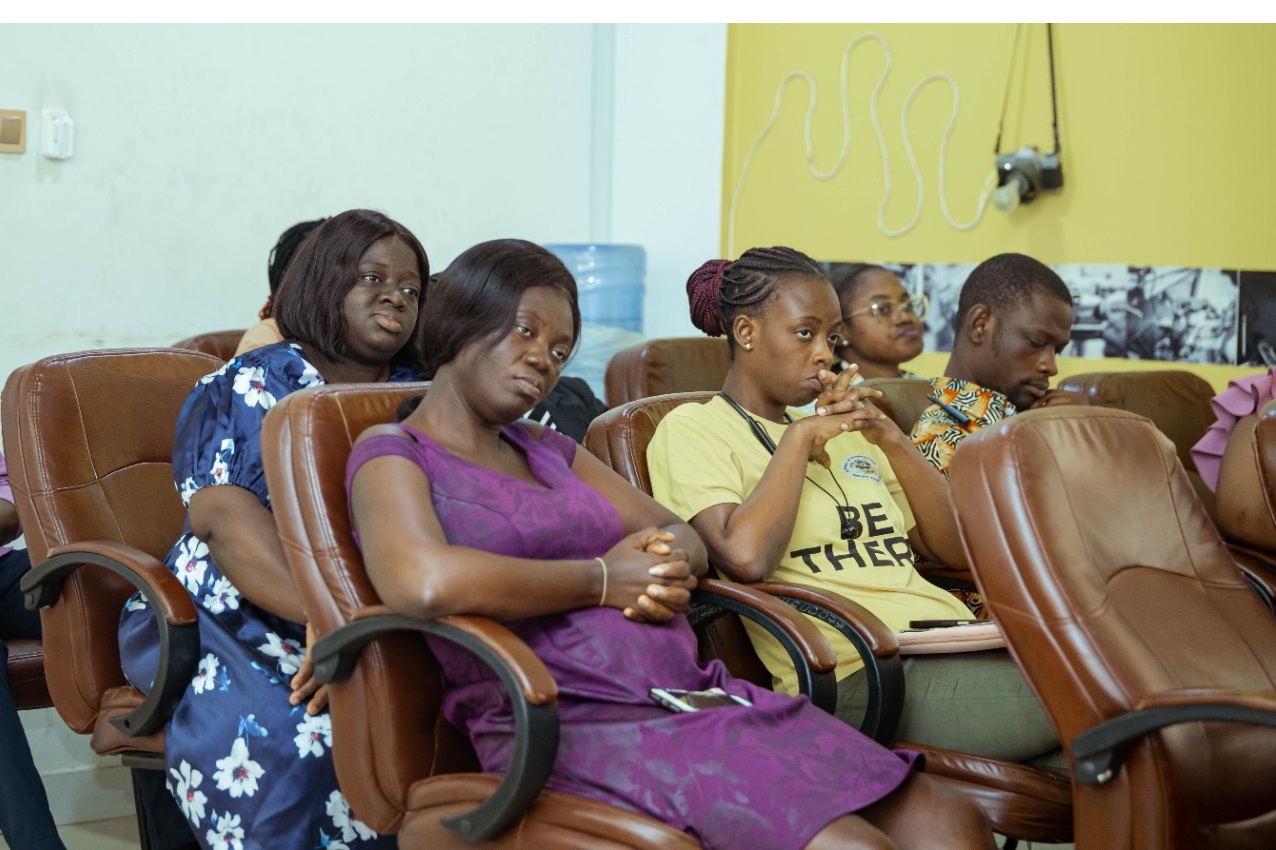
The launch sparked discussions on sustaining momentum. Key next steps identified include:
- Deepening engagement with student societies for behavioural change.
- Drafting a formal waste diversion policy for KNUST.
- Exploring expansion to include junior and senior high schools.
- Strengthening and broadening institutional collaborations.
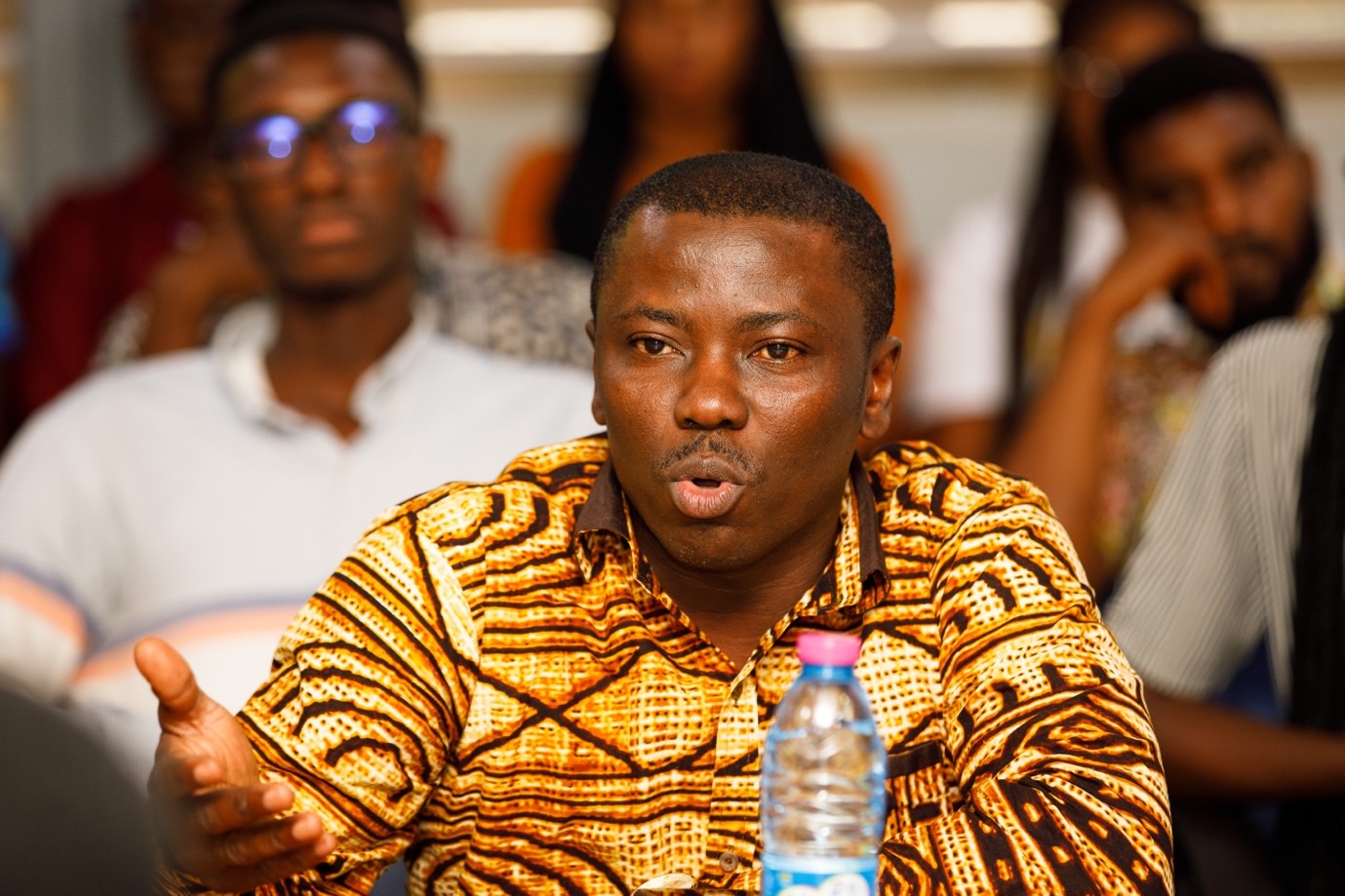
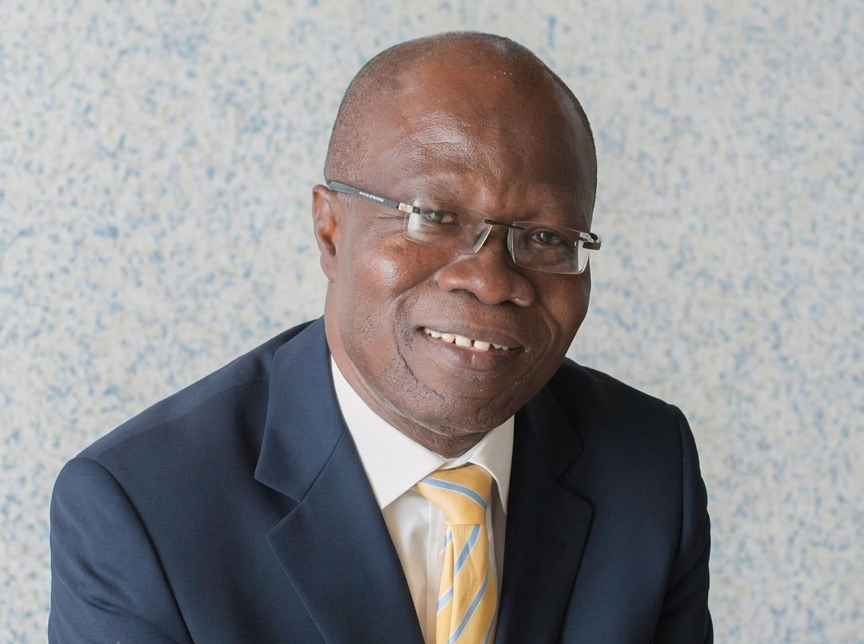
Prof. Joseph Oppong Akowuah, Head of the Department of Agricultural and Biosystems Engineering, lauded the initiative, highlighting its potential as both an educational platform and a sustainable business model for students.
The launch was also honoured by the presence of key regulatory and municipal partners, including Mr Daniel Kofi Tei, Assistant Program Officer, representing the Ashanti Regional Director of the Environmental Protection Authority (EPA), and Mr Simon Agangida from the Environmental Health Department of the Oforikrom Municipal Assembly.