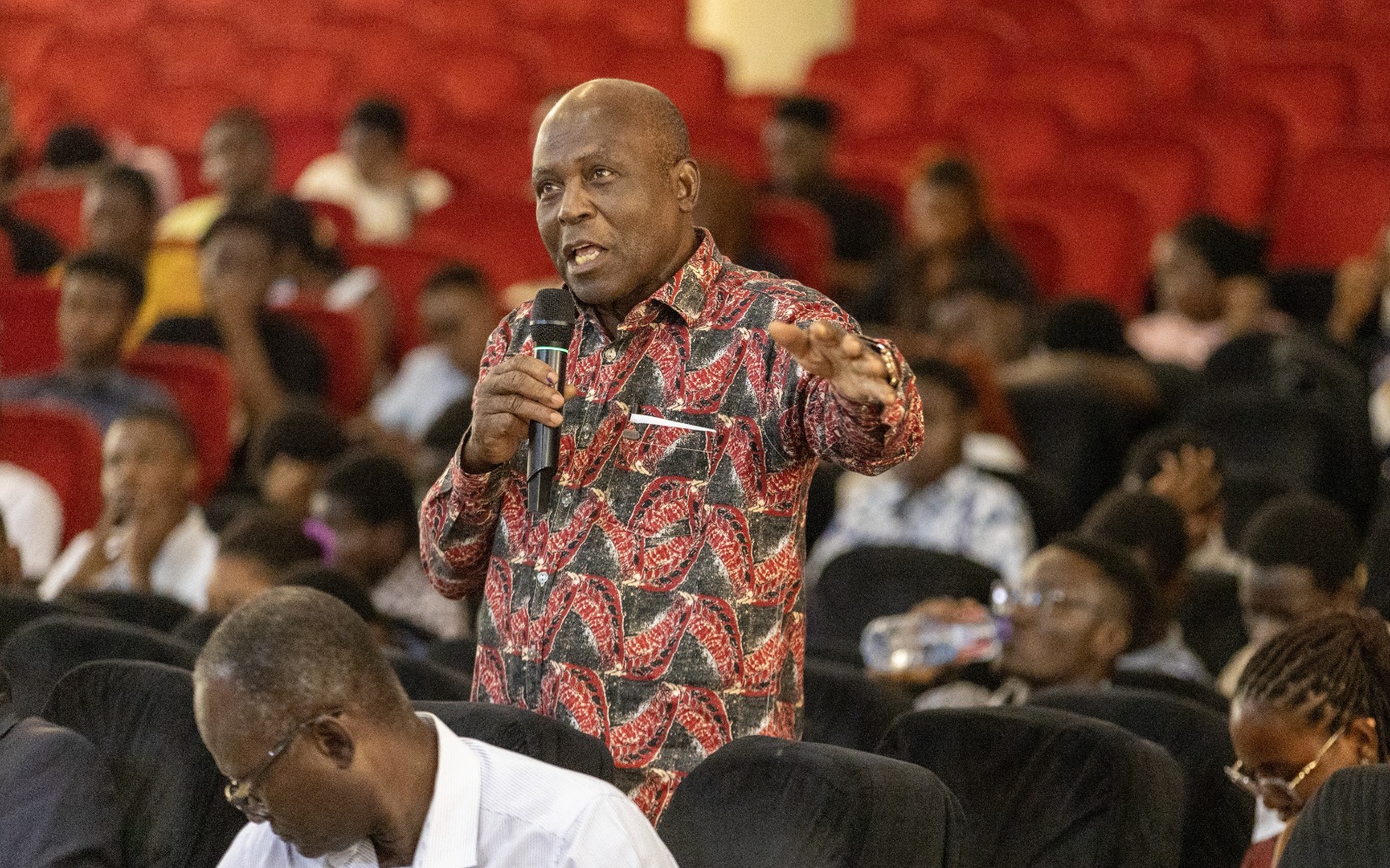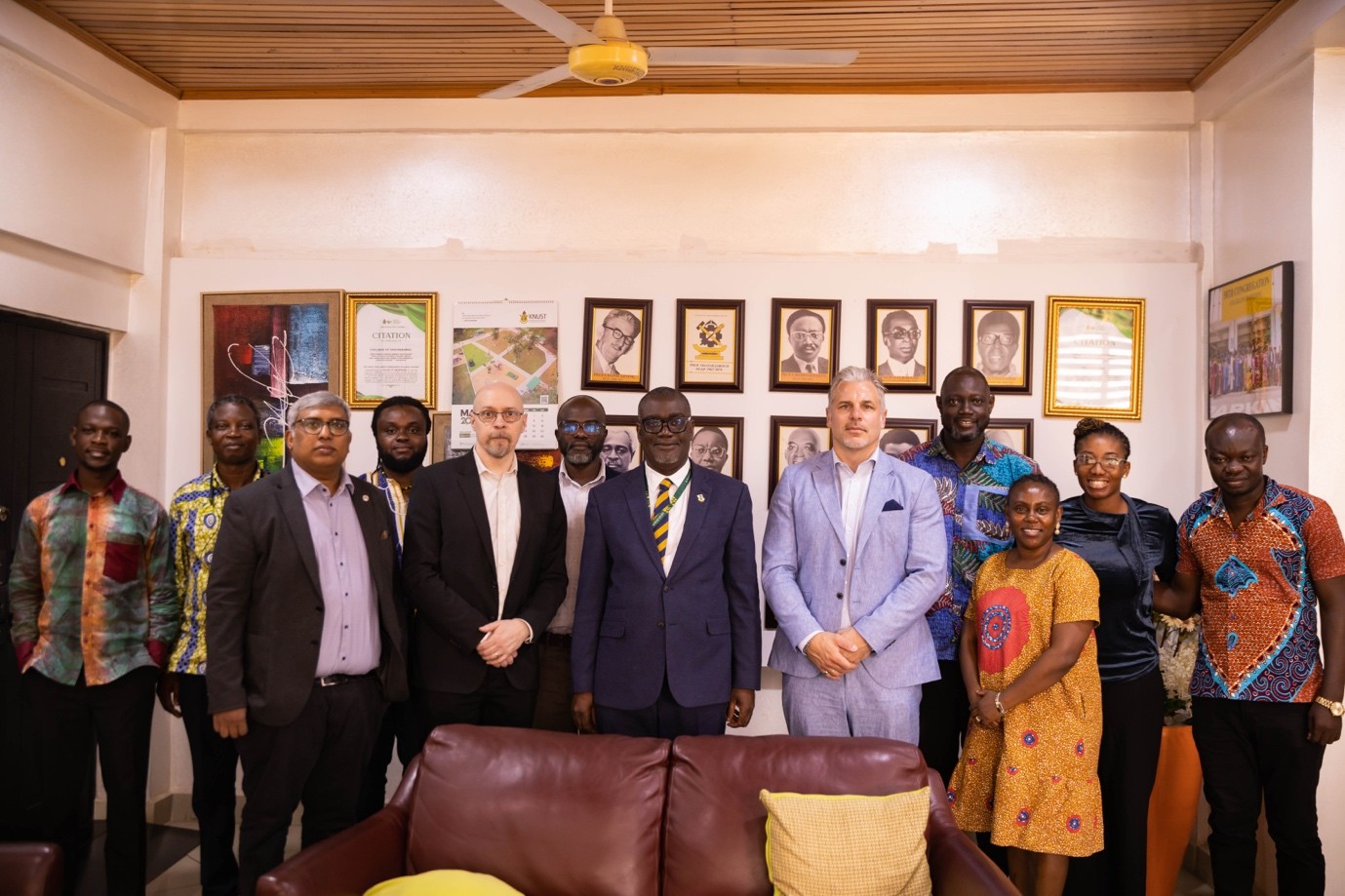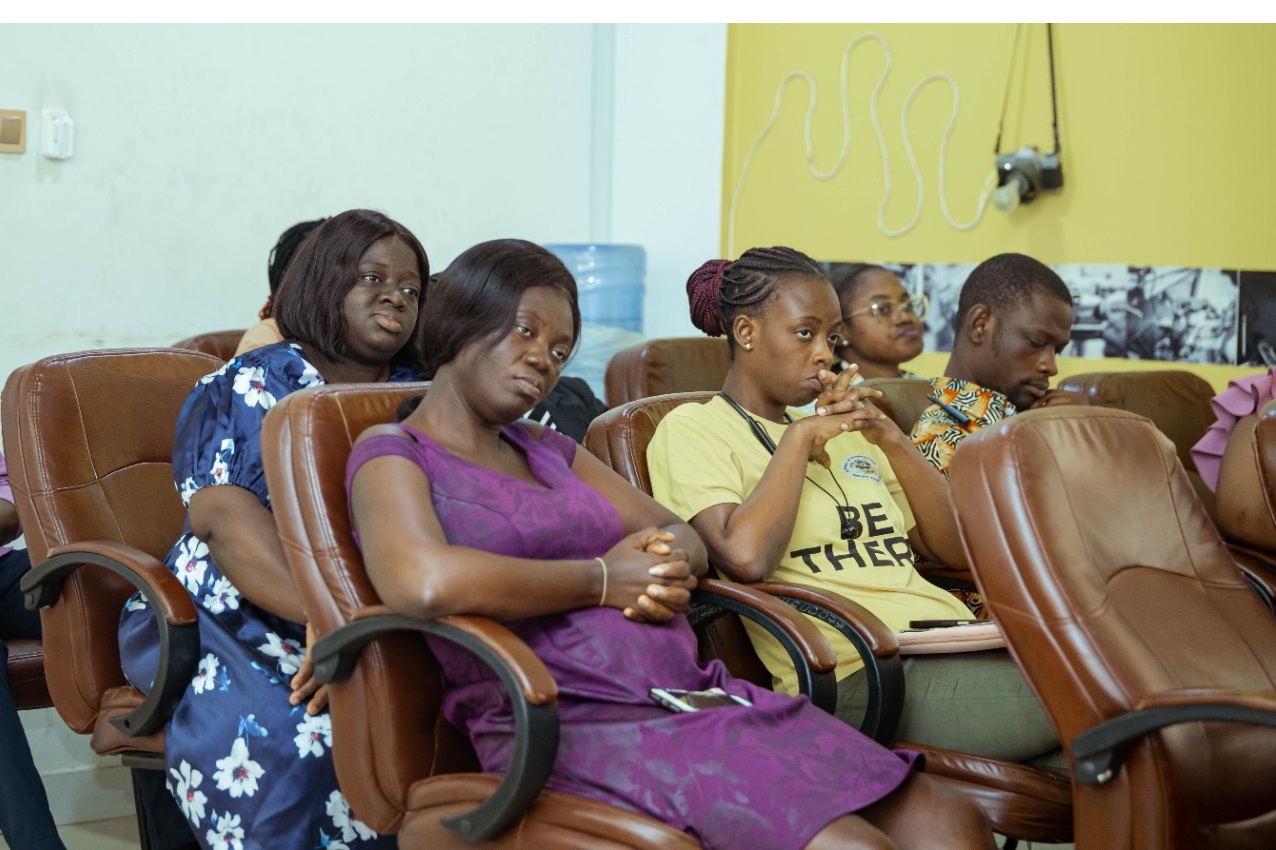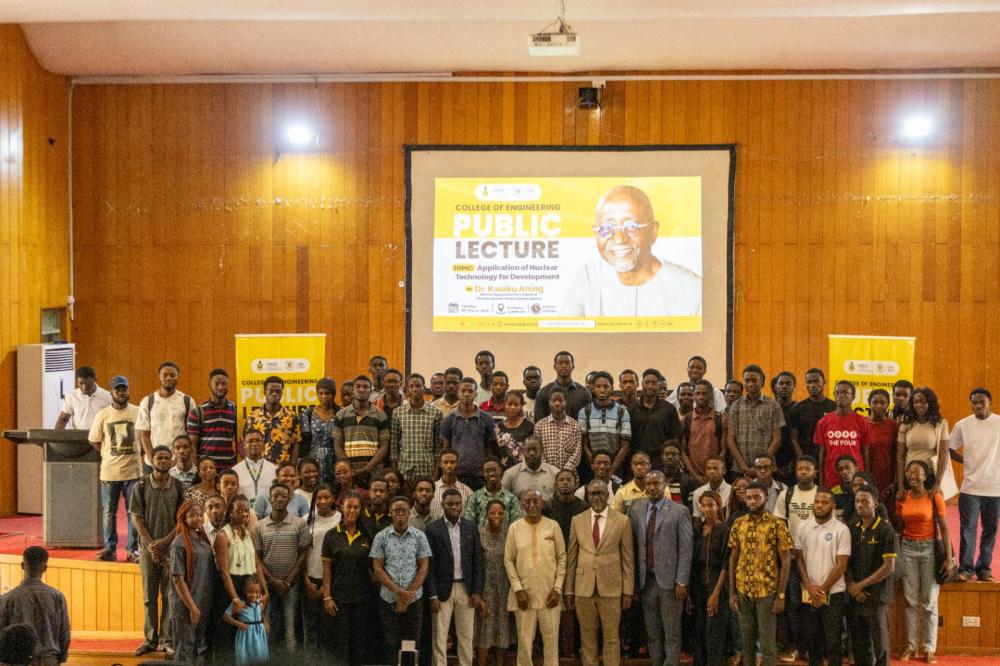
KNUST College of Engineering recently hosted a public lecture on the application of nuclear technology for national development, advocating for increased investment in nuclear science as a key driver of Ghana's socioeconomic progress.
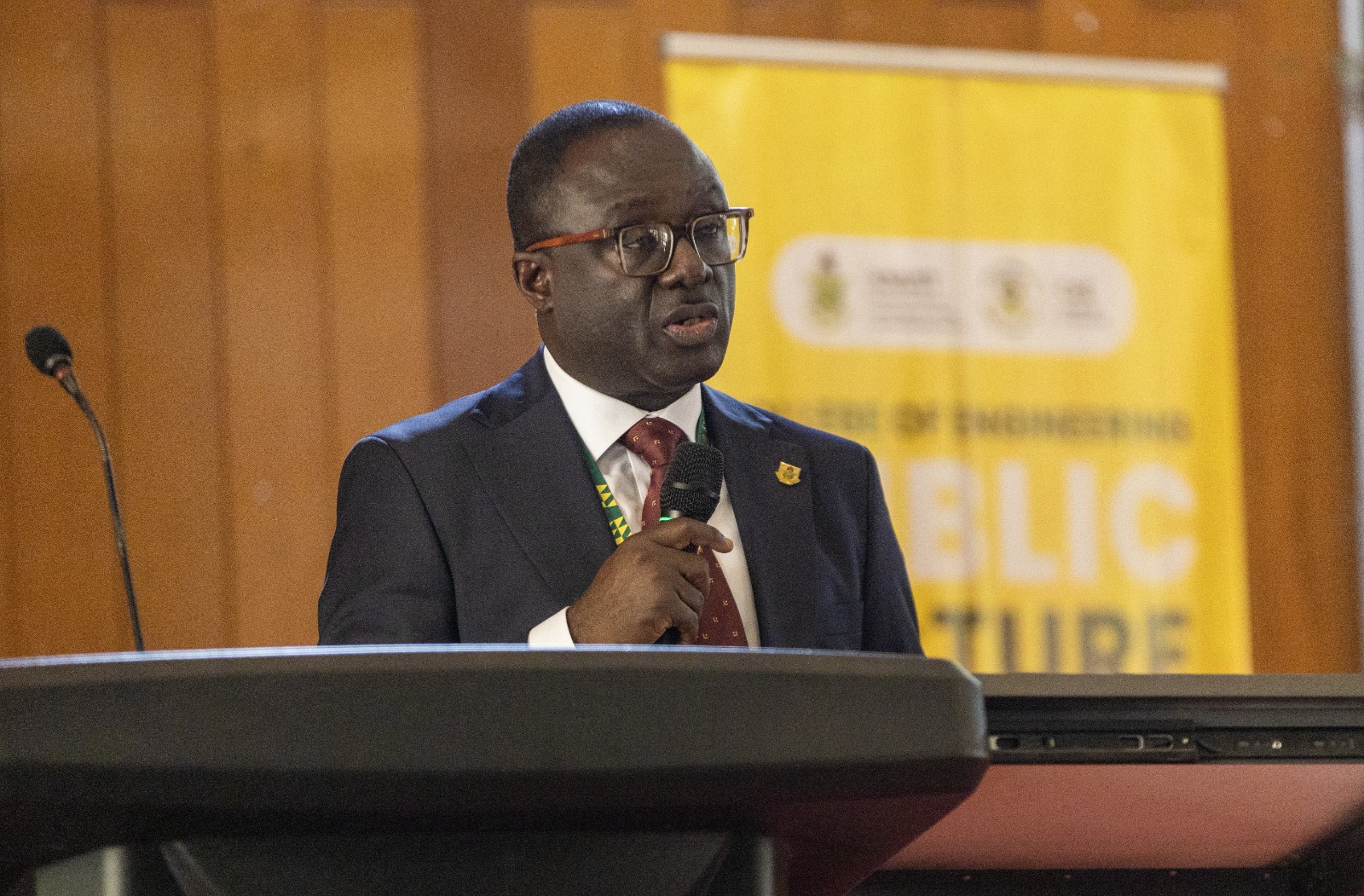
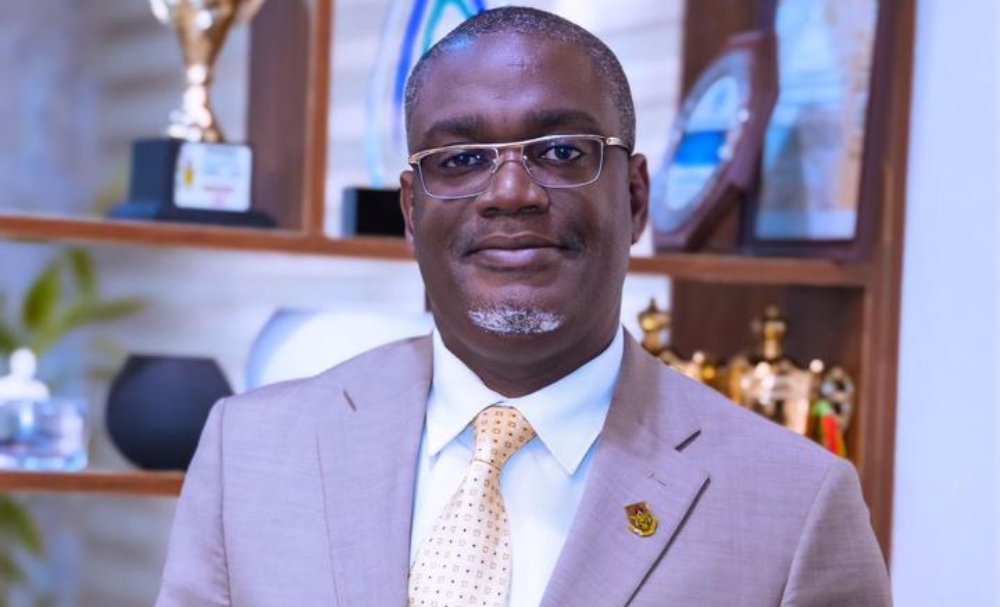
The lecture, held at the Kumapley Auditorium, was chaired by Pro Vice Chancellor Professor David Asamoah, who represented the Vice Chancellor, Professor Mrs. Rita Akosua Dickson. Delivering his opening remarks, Prof. Asamoah described the lecture as timely. He noted that its theme, “comes at a time when nations across the globe are increasingly turning to science and technology to address complex development challenges, and to accelerate socioeconomic transformation.” He added that the lecture “provides a valuable platform for intellectual engagement, and for deepening our understanding of how nuclear technology can be responsibly harnessed to support sustainable development, particularly within the African context.”
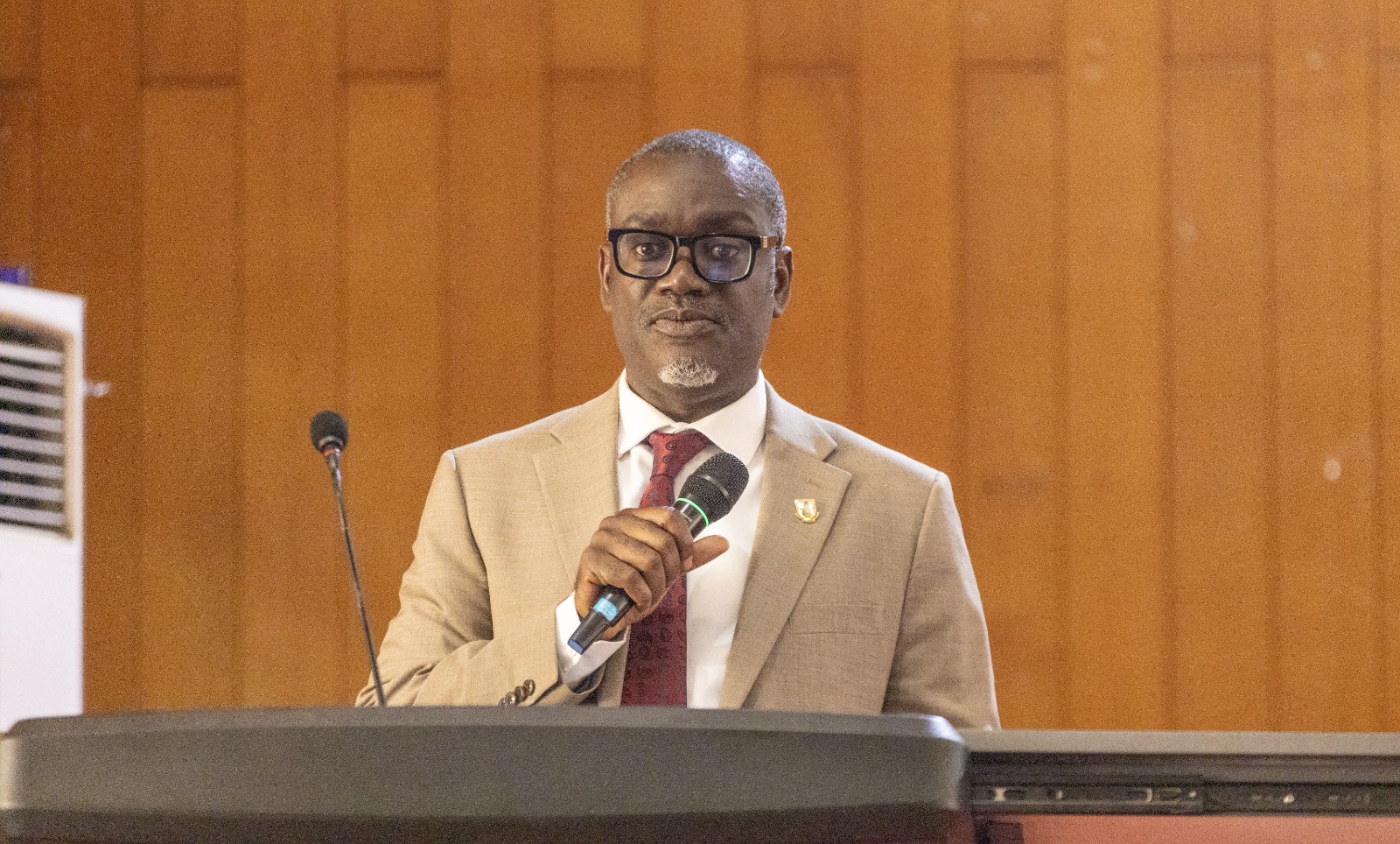
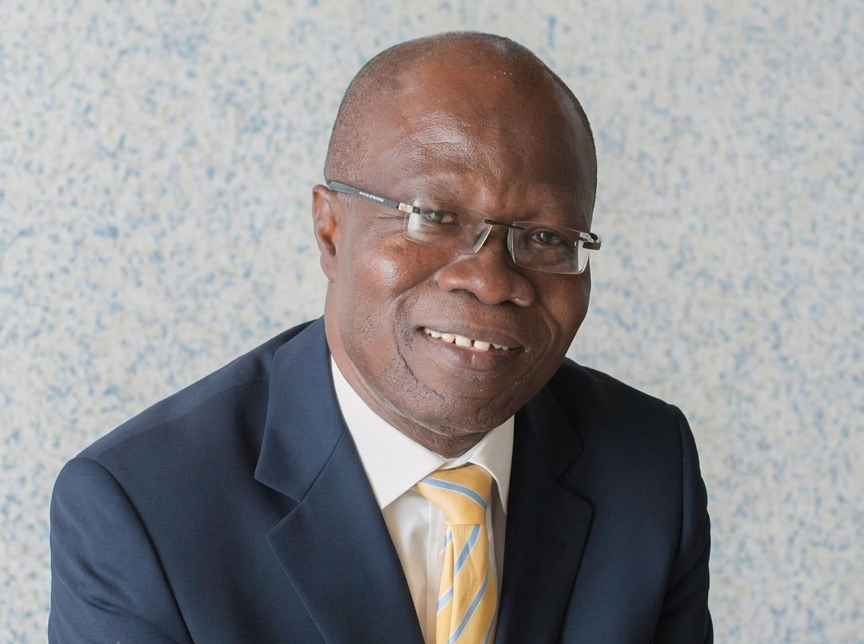
Introducing Dr. Aning, Prof. Kwabena Biritwum Nyarko, the Provost, noted that the speaker brings “58 years of experience in the UN system, making him a Ghanaian diplomat, international civil servant, and a technologist of rare distinction.” He also explained that Dr. Aning was a first-class KNUST graduate, Mechanical Engineering,1968.
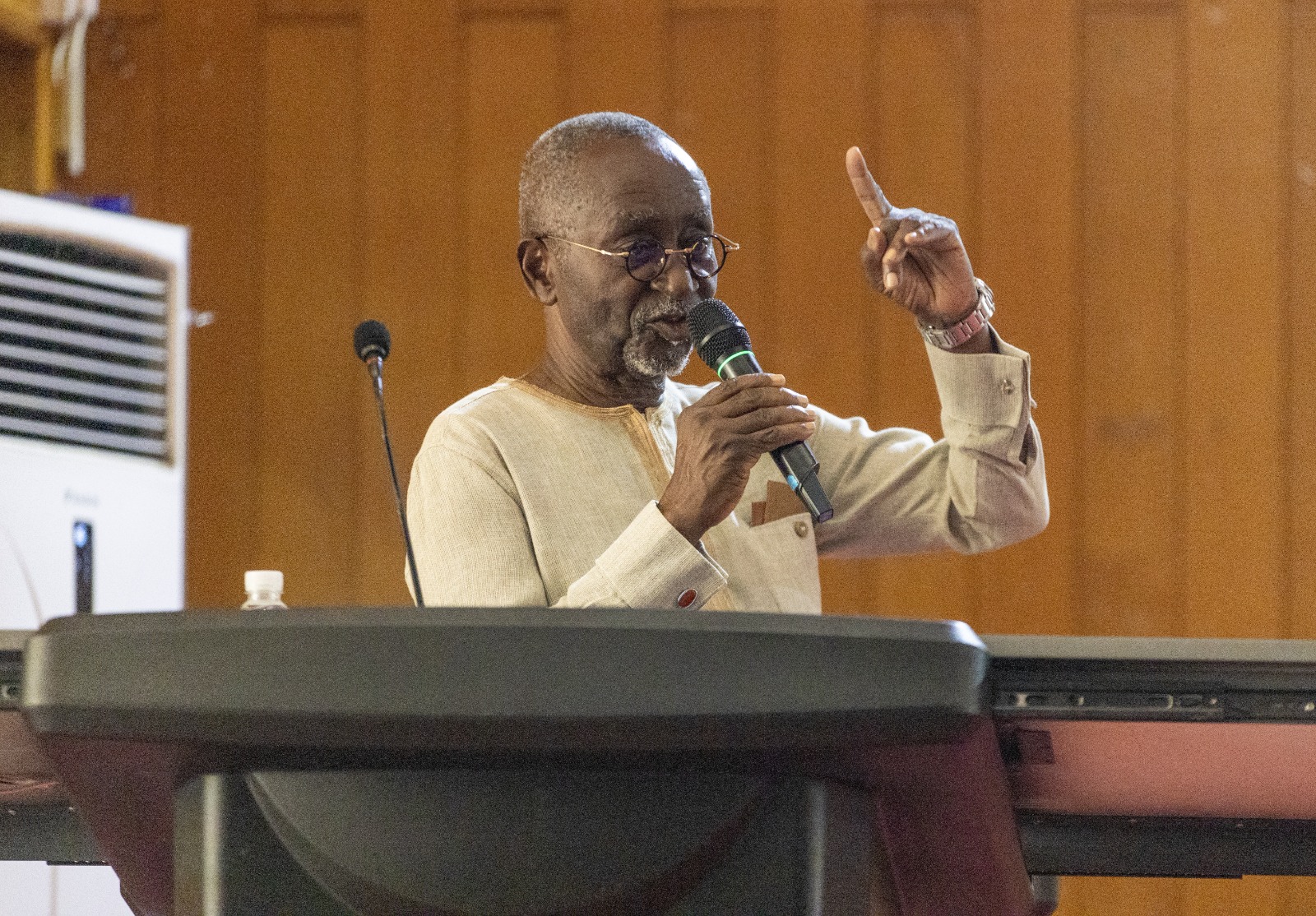
The Guest Lecturer, Dr. Kwaku Aning, former Deputy Director General of the International Atomic Energy Agency (IAEA), and the first African to serve as Director and Secretary of the IAEA Board of Governors, delivered a wide-ranging address, covering nuclear technology's applications in medicine, agriculture, environmental management, and energy production. Dr. Aning began his lecture by educating his audience on the various uses of nuclear energy outside weaponry. He said it is "one of the most powerful technologies known to man, with the potential to both destroy and develop.”
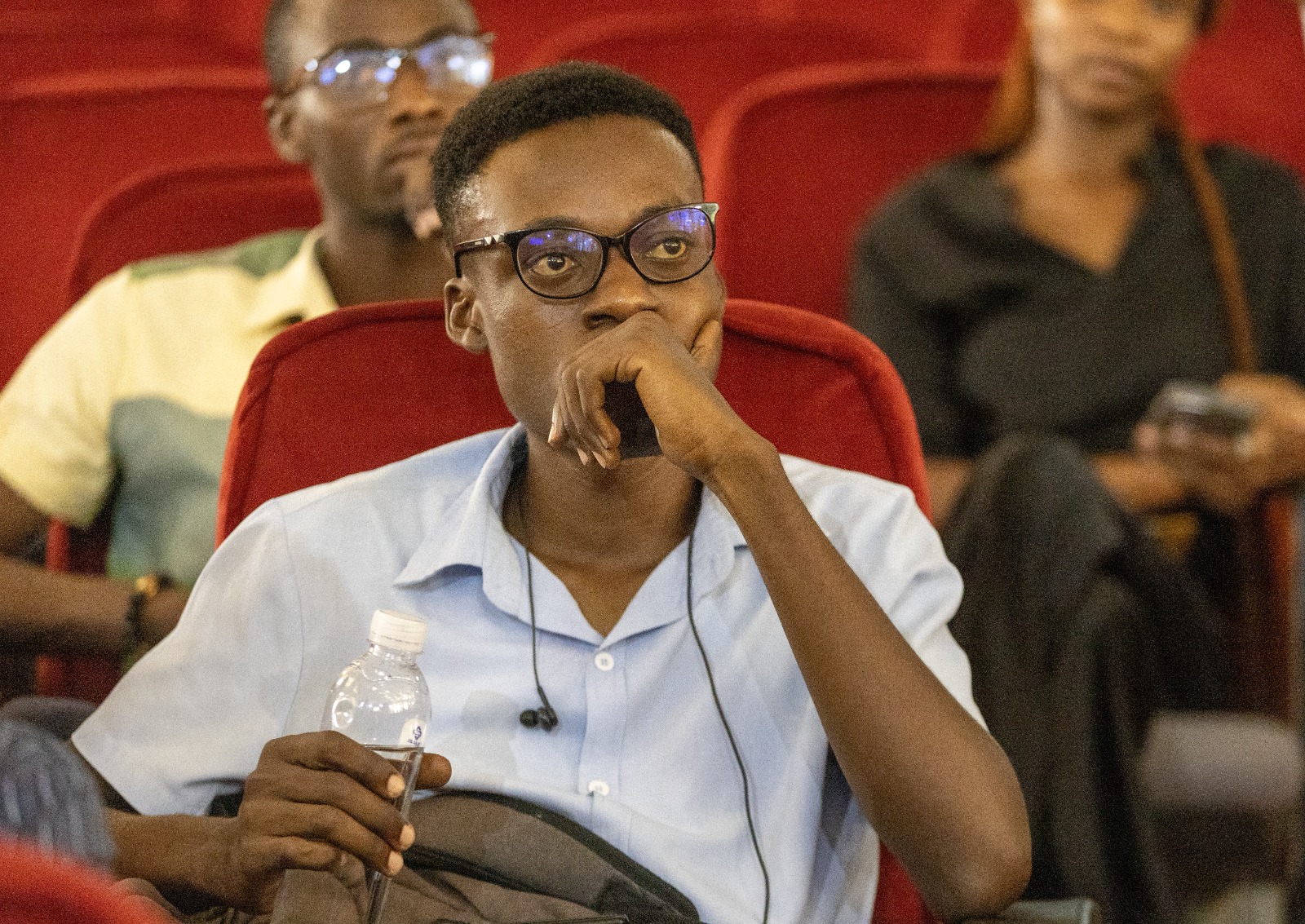
Dr. Aning emphasized the urgent need for more advanced diagnostic and cancer treatment facilities across Africa. Currently, only 28 countries on the continent have operational radiotherapy facilities. He also outlined the IAEA's key initiatives, which include Rays of Hope for cancer care, the Zoonotic Disease framework, the Marie Curie Fellowship for women in nuclear science, and Atoms for Food. These initiatives aim to expand the peaceful use of nuclear technology in developing nations.
Turning to energy, Dr. Aning expatriated the use of nuclear power as a clean and efficient energy source. He pointed out that just 26 tons of uranium fuel can generate the same electricity as 1.5 million metric tons of petroleum. He noted that while South Africa remains the only African country currently operating a nuclear plant, Ghana has been working through 19 key implementation requirements, and that funding remains the primary obstacle to establishing nuclear power in the country.
Delivering the closing remarks, Pro Vice Chancellor Asamoah indicated that KNUST is actively engaging the Ministry of Energy and Green Transition to develop an academic programme in nuclear technology. He stressed that the university must be proactive in building the human resource base Ghana will need. He urged students and researchers to take inspiration from Dr. Aning's career, adding that "the atom is not just a source of power; it is a source of progress."