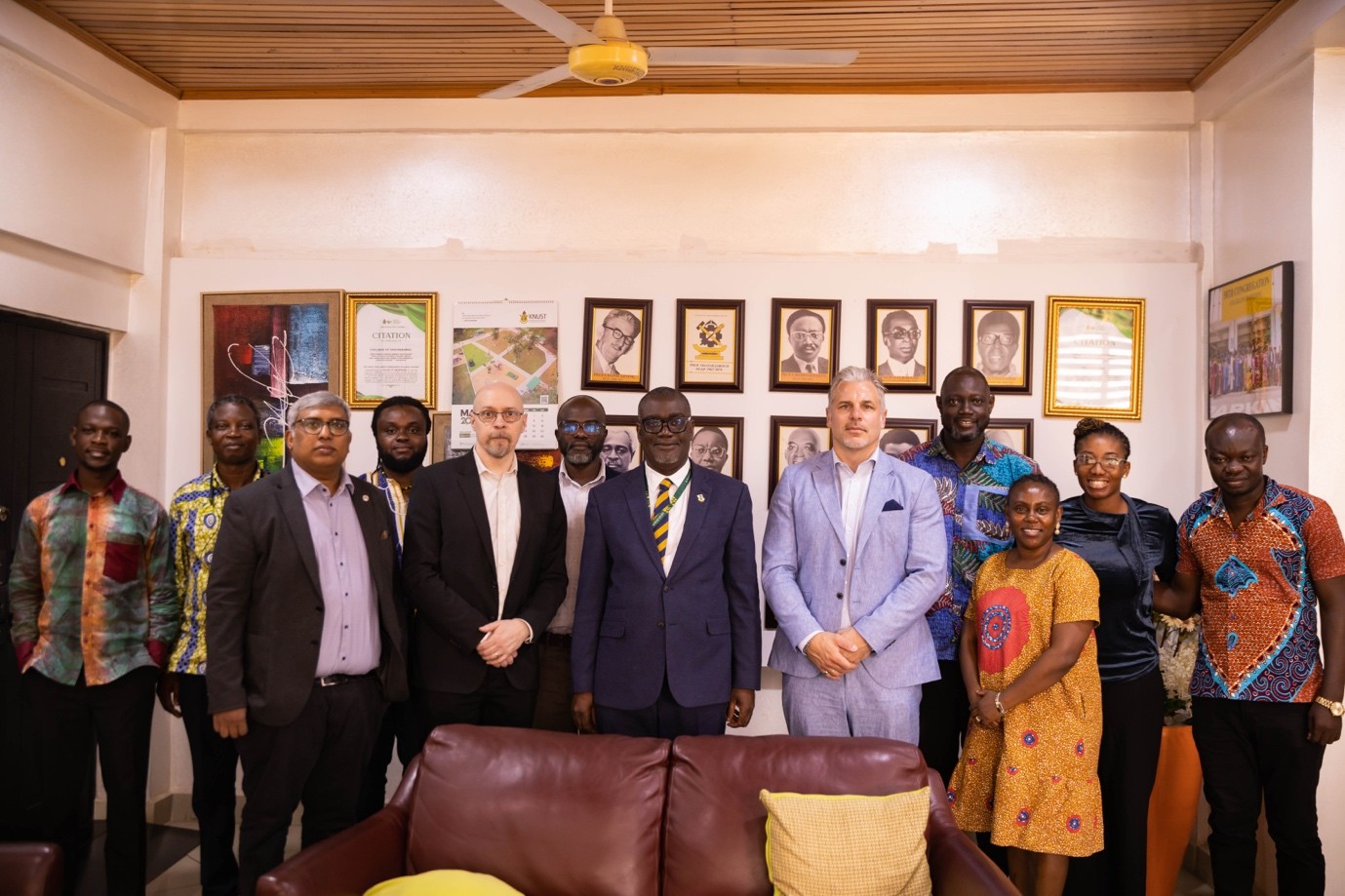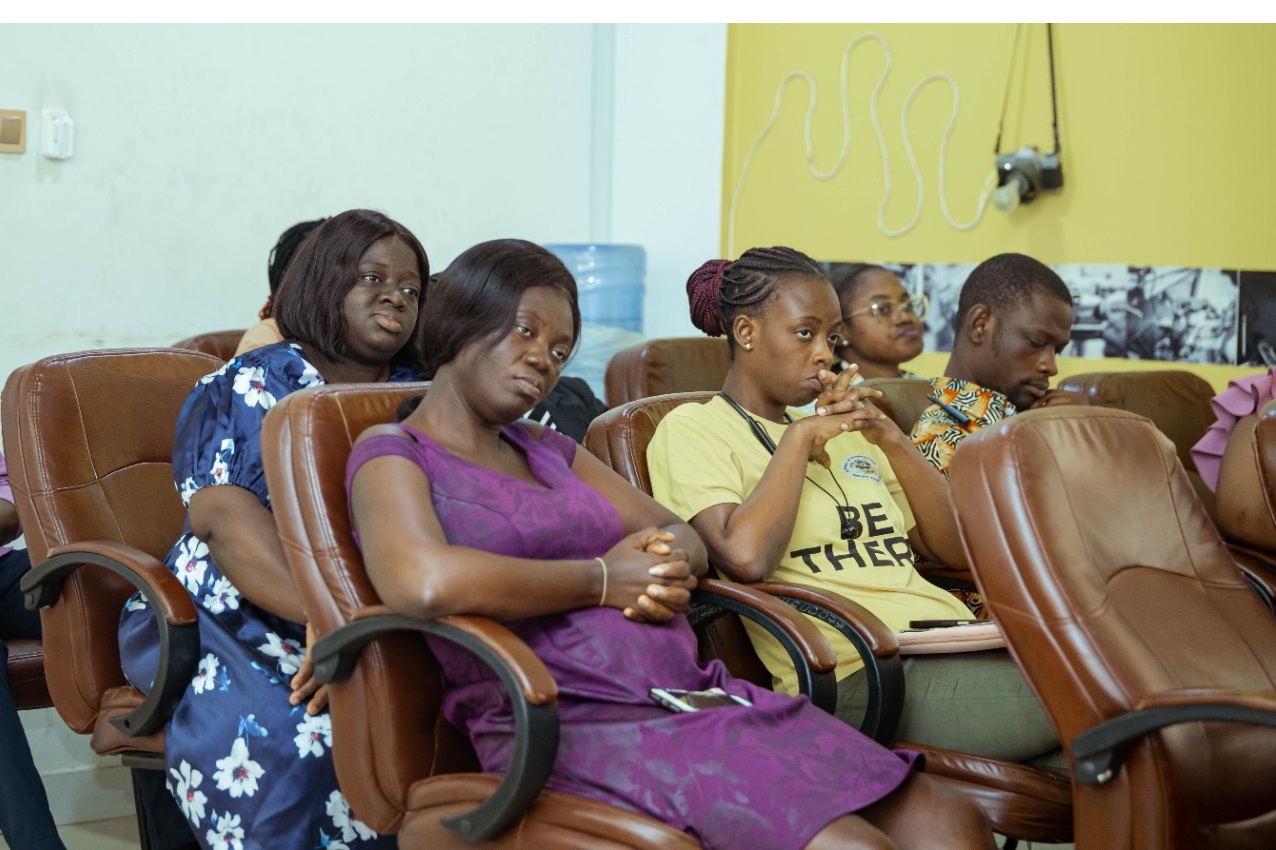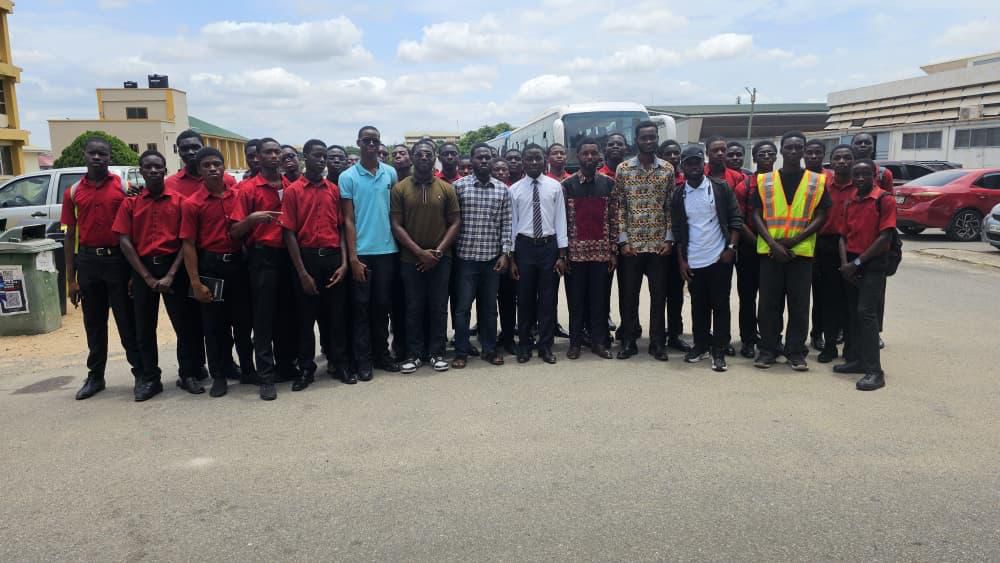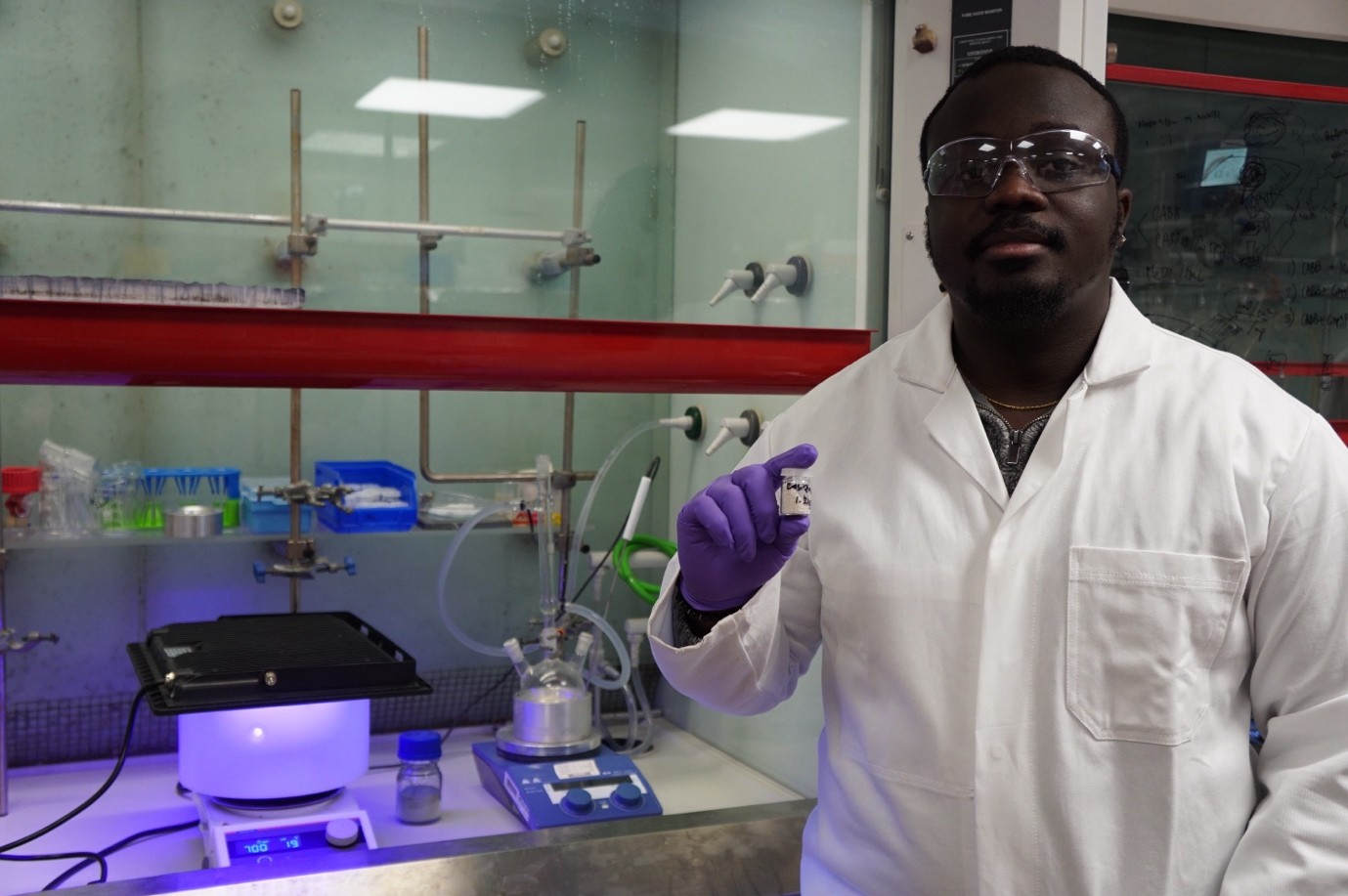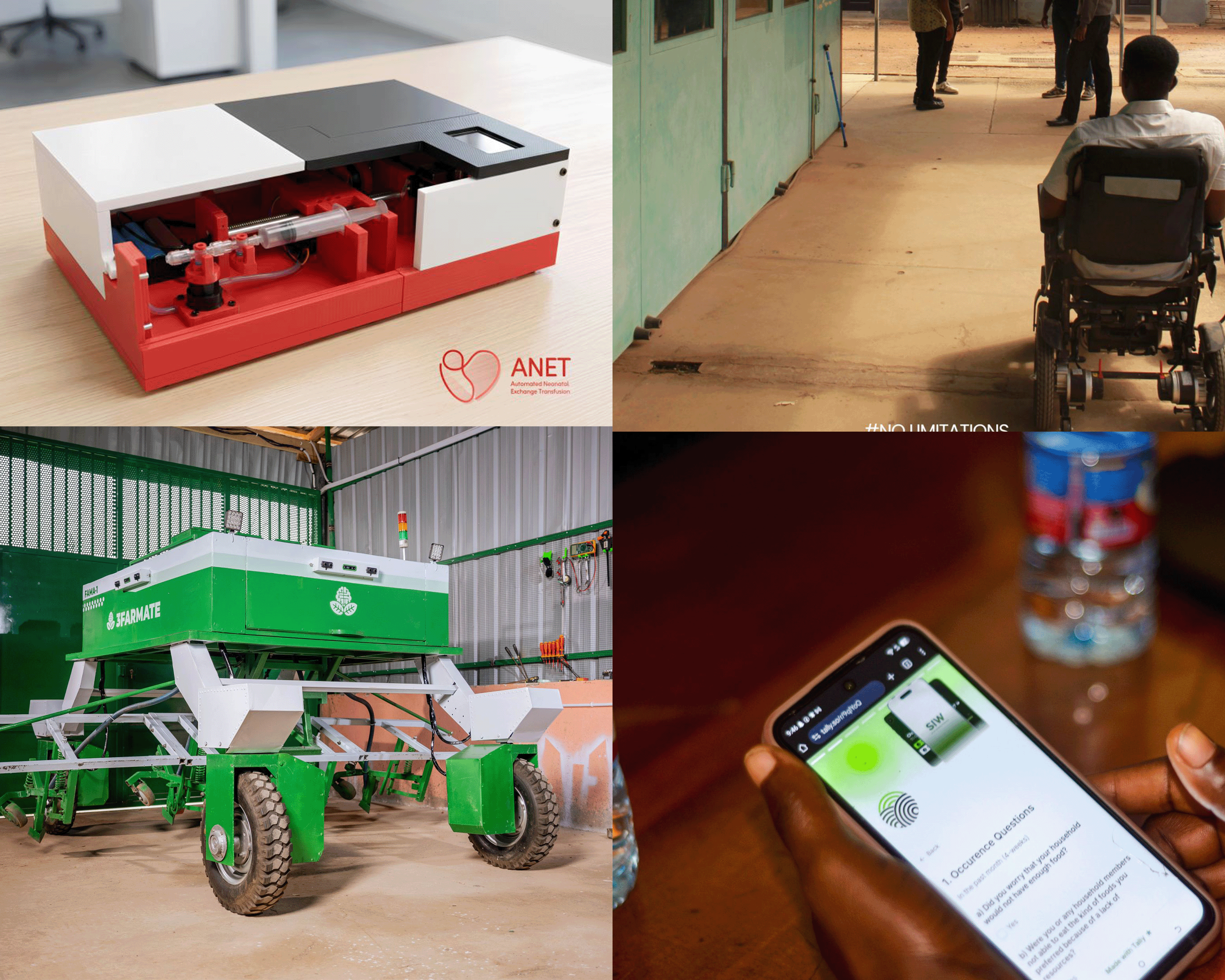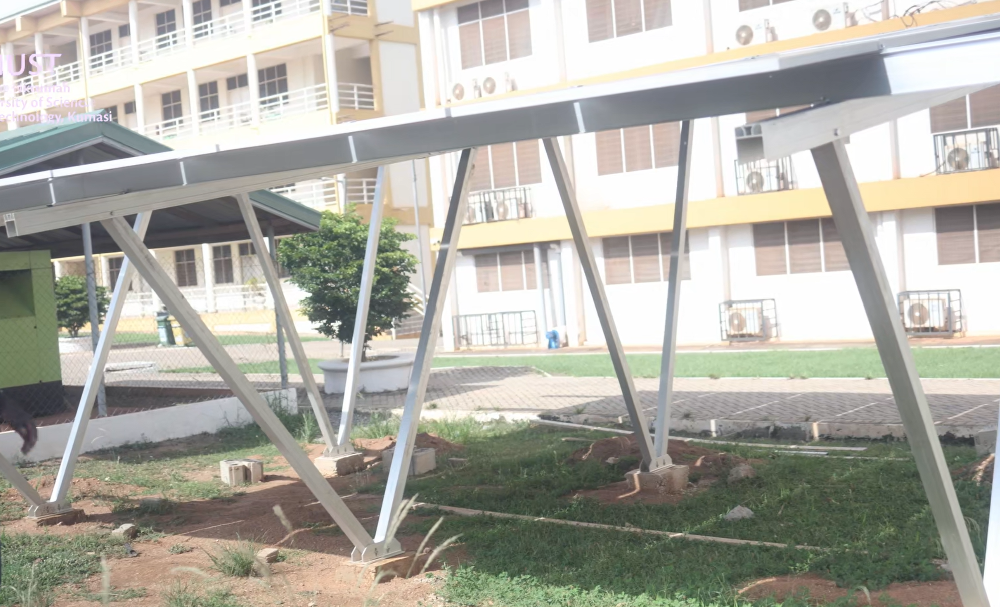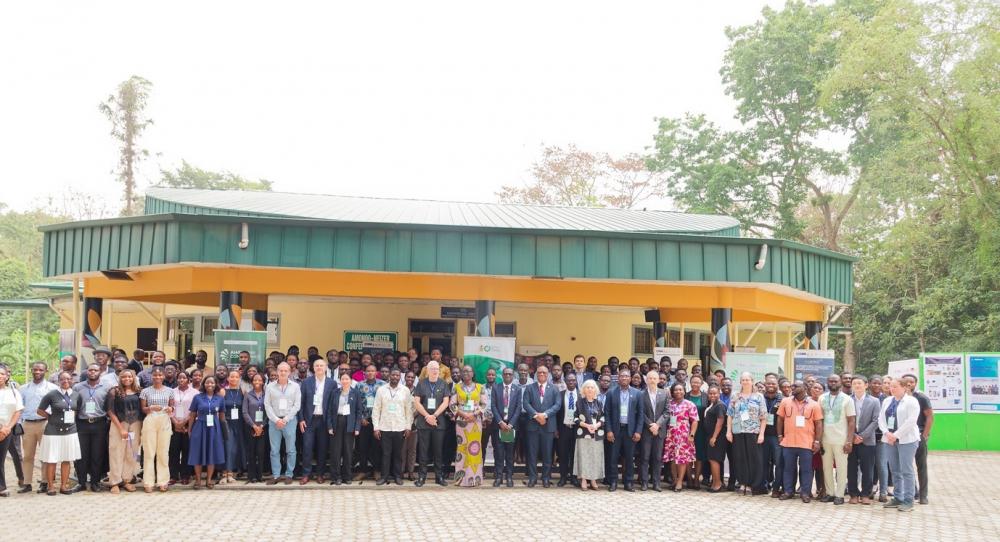
The KNUST College of Engineering has demonstrated its commitment to pioneering technology for social good at the Artificial Intelligence for Sustainable Development (AI4SD) Mini Conference. Themed "Leveraging Artificial Intelligence For The Sustainable Development Goals (SDGs)," the event solidified the College’s role as a central hub for driving innovation that directly addresses national and global challenges.
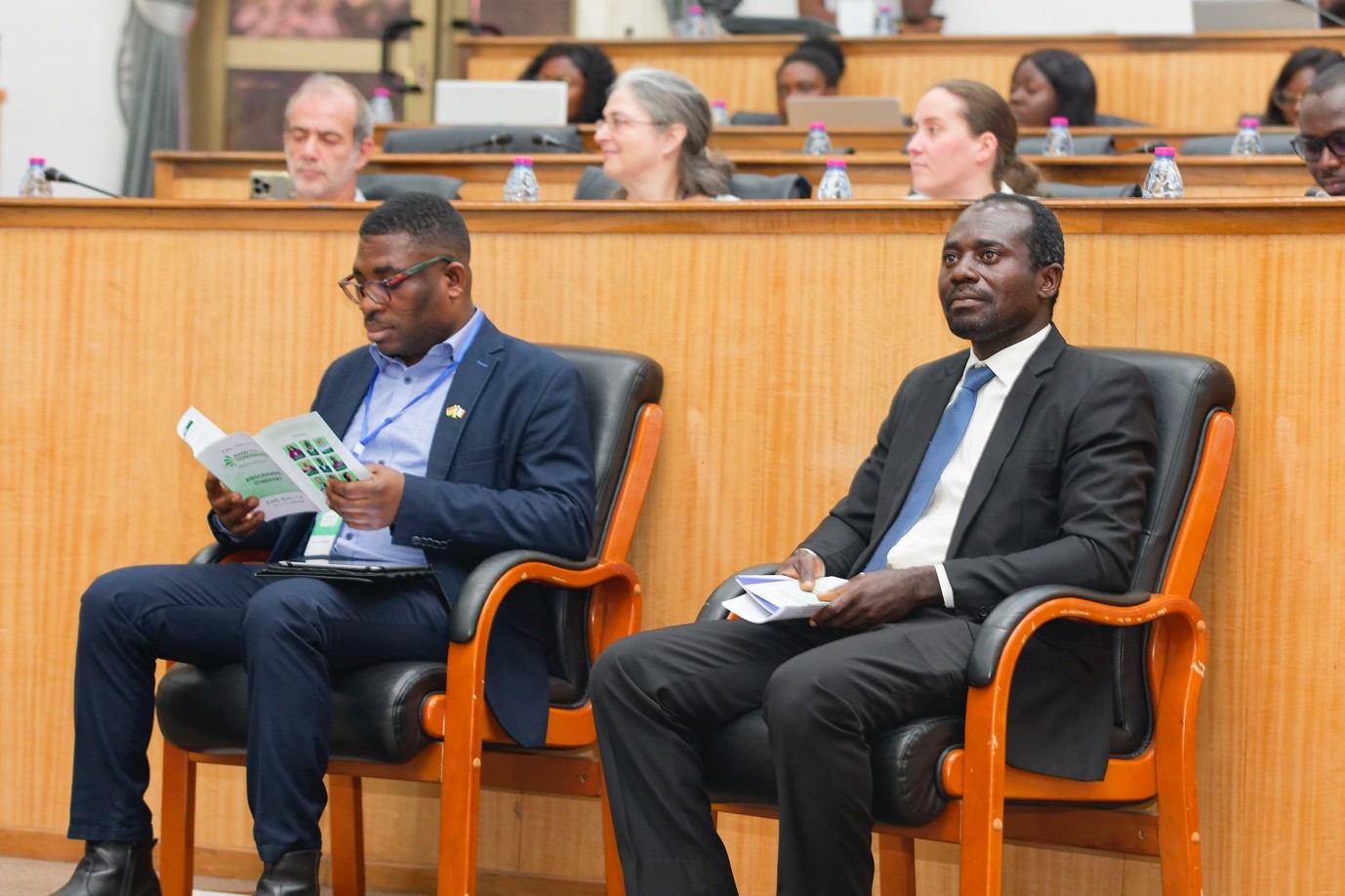
Held under the auspices of the College, the conference brought together researchers, policymakers, industry leaders, and civil society to explore the tangible applications of AI across health, agriculture, and energy. The event showcased how engineering and technology, when grounded in responsible AI, can become powerful engines for achieving the SDGs.
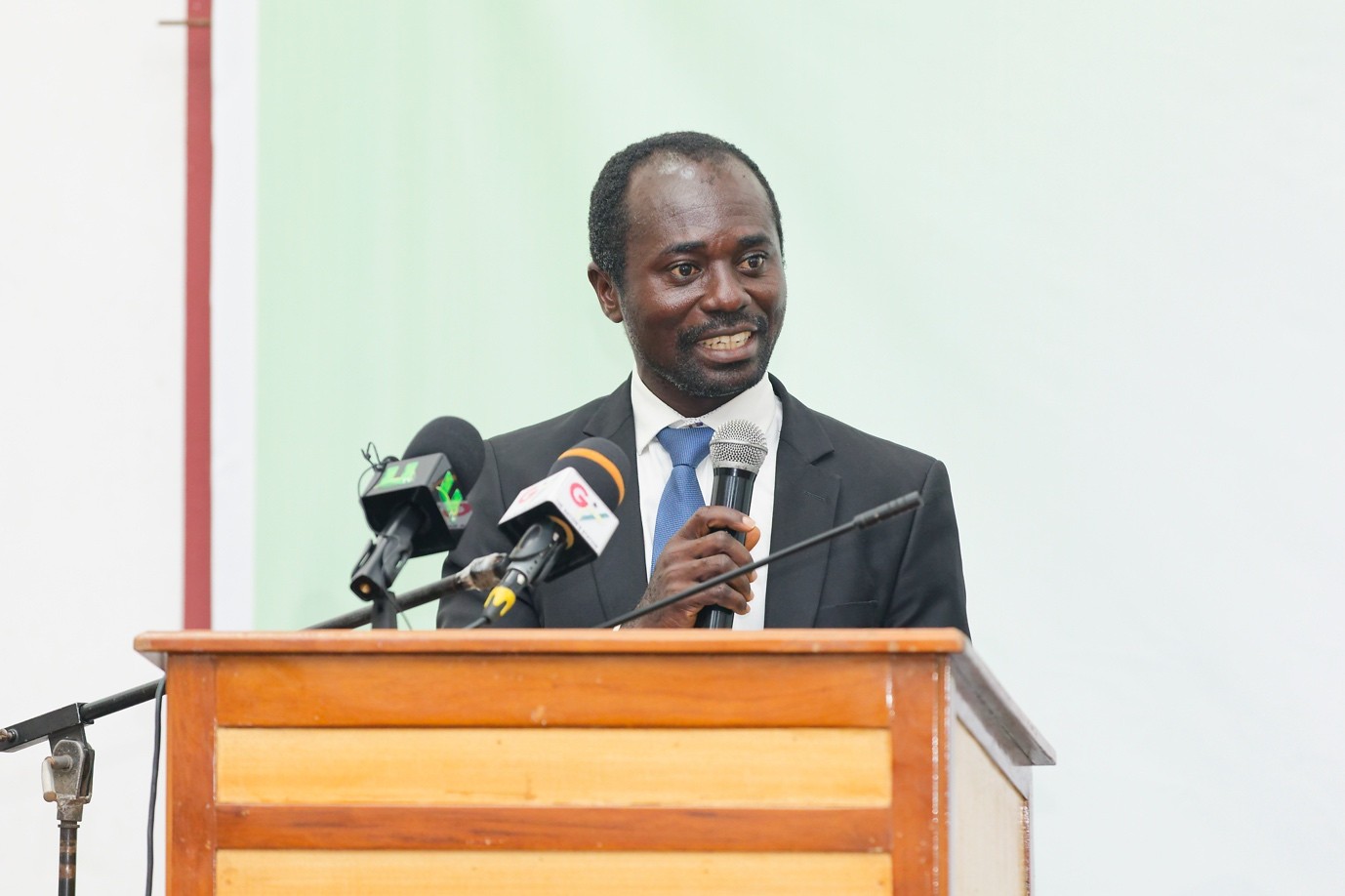
Representing the Provost of the College of Engineering, Prof. Emmanuel Asuming Frimpong, Dean of the Faculty of Electrical and Computer Engineering, delivered a stirring address on the practical outcomes of technological research. He underscored that for a premier engineering institution like KNUST, the ultimate measure of success is translating innovation into solutions that benefit society.
“What is the use of AI if it does not translate to sustainable development? We must pursue AI to ensure sustainable development,” Prof. Asuming Frimpong stated. He posed a critical question for everyone present: “What’s next?” He challenged participants not to rest until the SDGs are achieved in our part of the world, emphasising that AI must drive tangible entrepreneurial ventures that create jobs for youth and solve pressing societal problems.
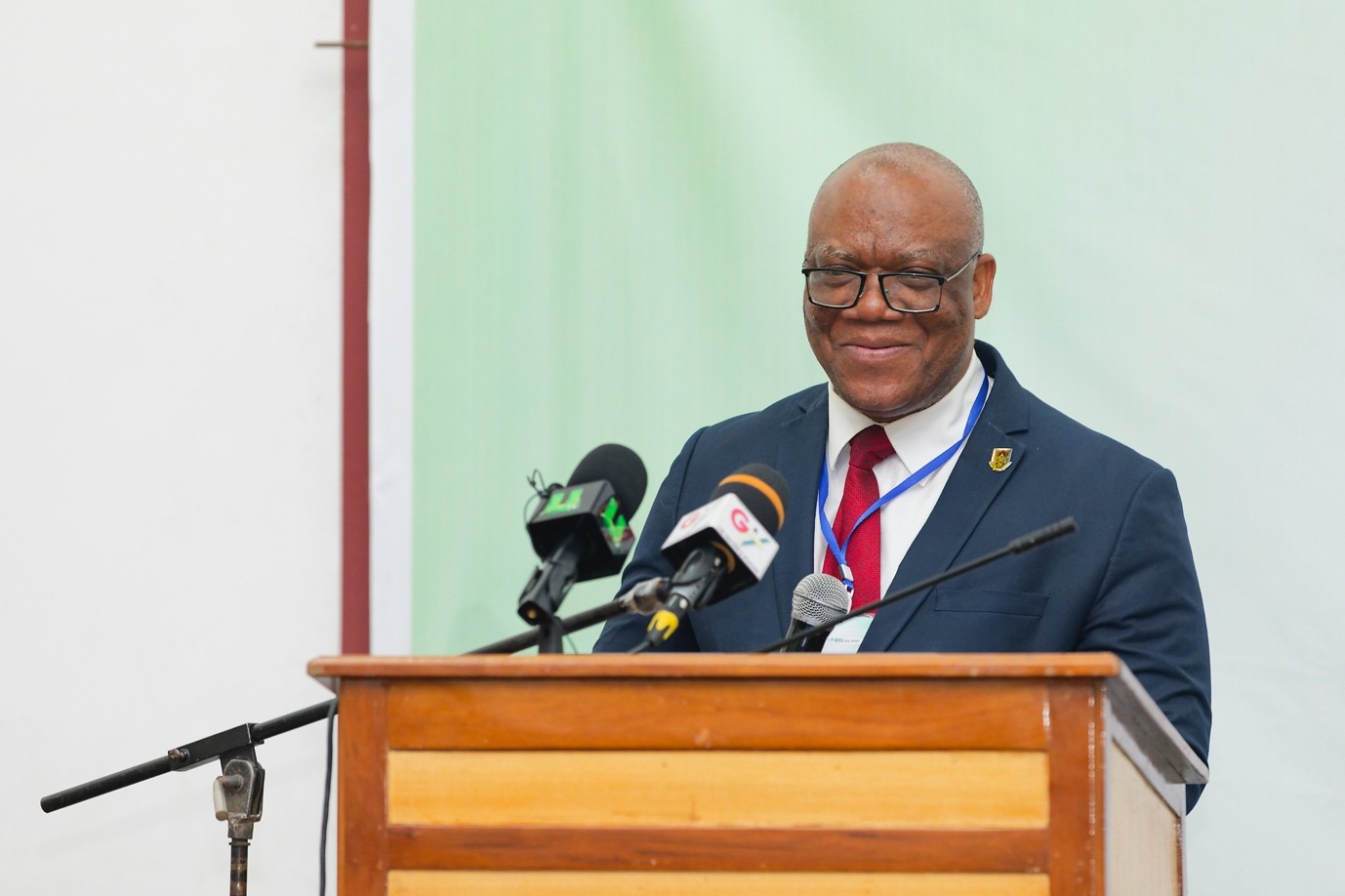
Prof. Jerry John Kponyo, Principal Investigator and Scientific Director of the Responsible AI Lab (RAIL) and Project Lead for AI4SD, positioned the gathering as a direct response to the need for context-aware and sustainable technological solutions.
“We are here to examine how AI can be designed and deployed to be context-aware, inclusive, and sustainable, directly supporting the sustainable goals that define our collective future,” said Prof. Kponyo. “This conference is rooted in a conviction that AI must serve humanity. Our focus is on responsible AI systems that are ethical, evidence-based, and sustainable for our unique developmental context.”
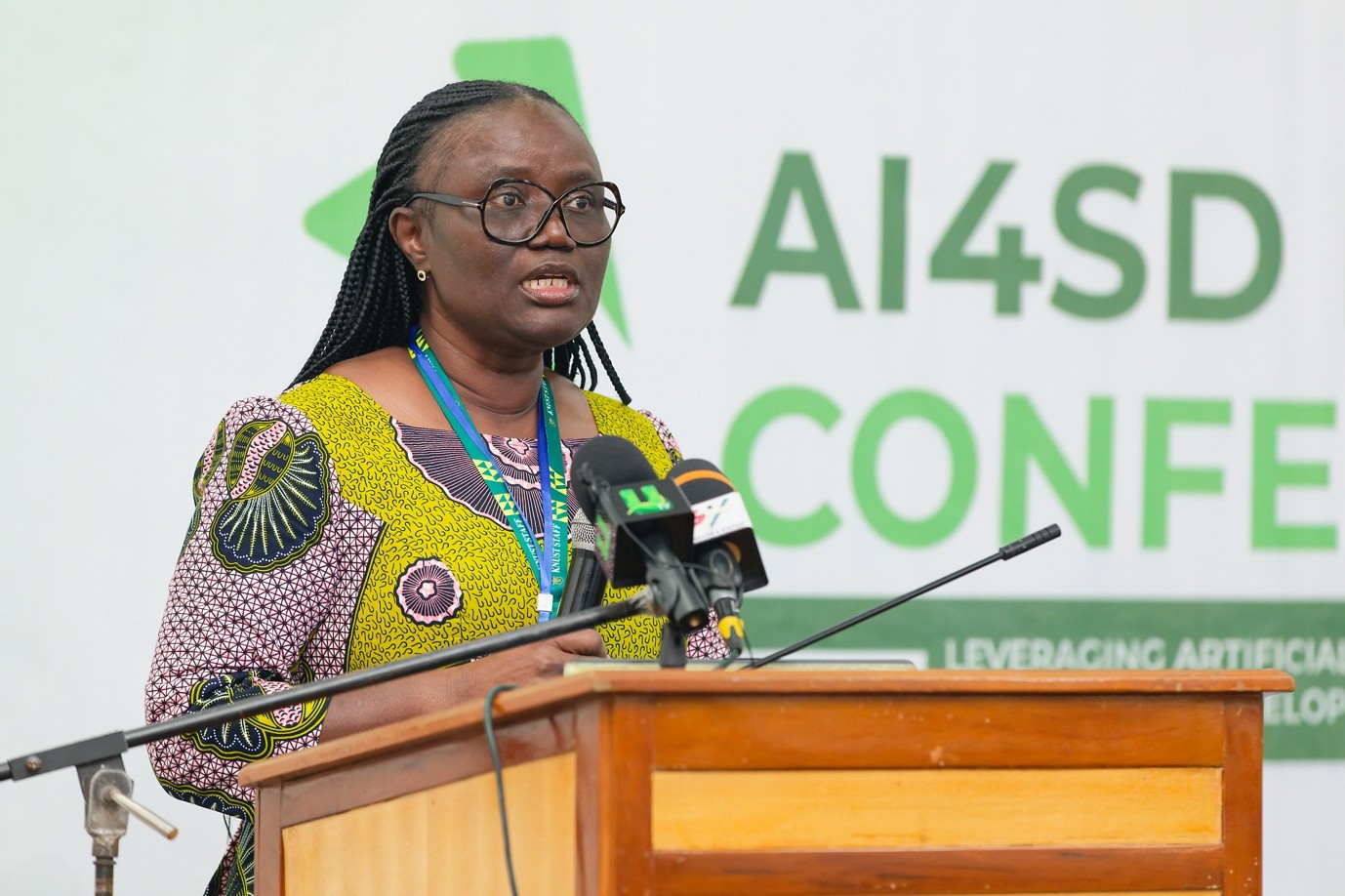
Prof. (Mrs.) Rita Akosua Dickson, Vice-Chancellor of KNUST, commended the stakeholders for their collaborative efforts to impact communities. With the 2030 deadline for the SDGs fast approaching, she challenged funders to continue supporting the vital work being done at KNUST, calling the project “a stepping stone” to long-term, sustained impact.
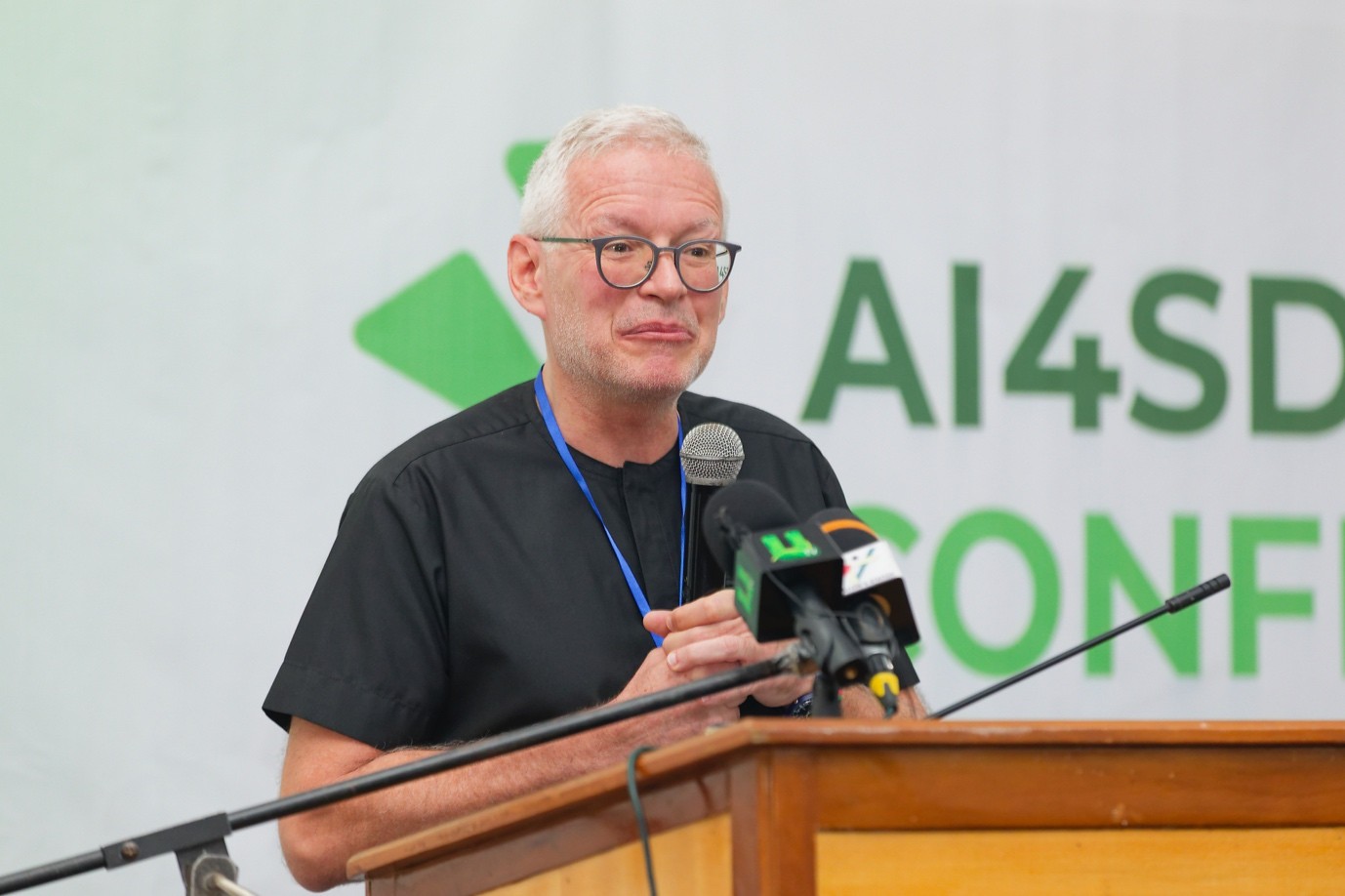
Julien LECAS, Head of Cooperation and Cultural Action at the French Embassy in Ghana, praised the quality of the collaboration among KNUST, Université Paris-Saclay, the CNRS, and the Ghana Atomic Energy Commission. He highlighted how the work being done at KNUST, connecting technology to local realities in food systems, health services, and climate adaptation, is not only vital for Ghana but also strengthens global research efforts.
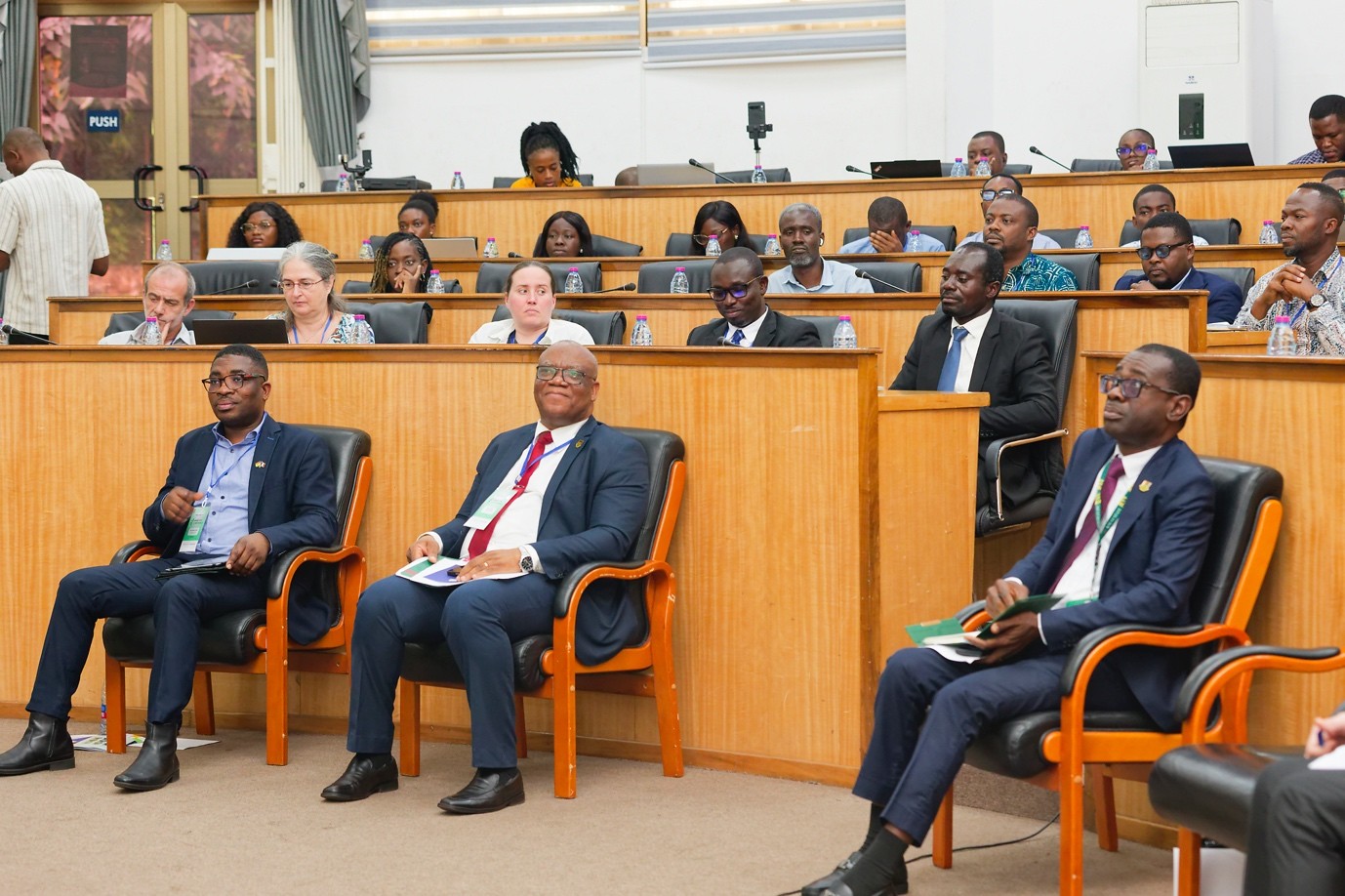
Dr Daniel Adjei, FEF-AI4SD Project Lead at Université Paris Saclay, and Prof. Hasford Francis, FEF-AI4SD Project Lead from the Ghana Atomic Energy Commission (GAEC), both spoke to the power of these collaborations to advance academic excellence. The event concluded with an exhibition and networking session, providing a platform for students, researchers, and industry leaders to connect, fostering the partnerships that will turn today’s research into tomorrow’s solutions.