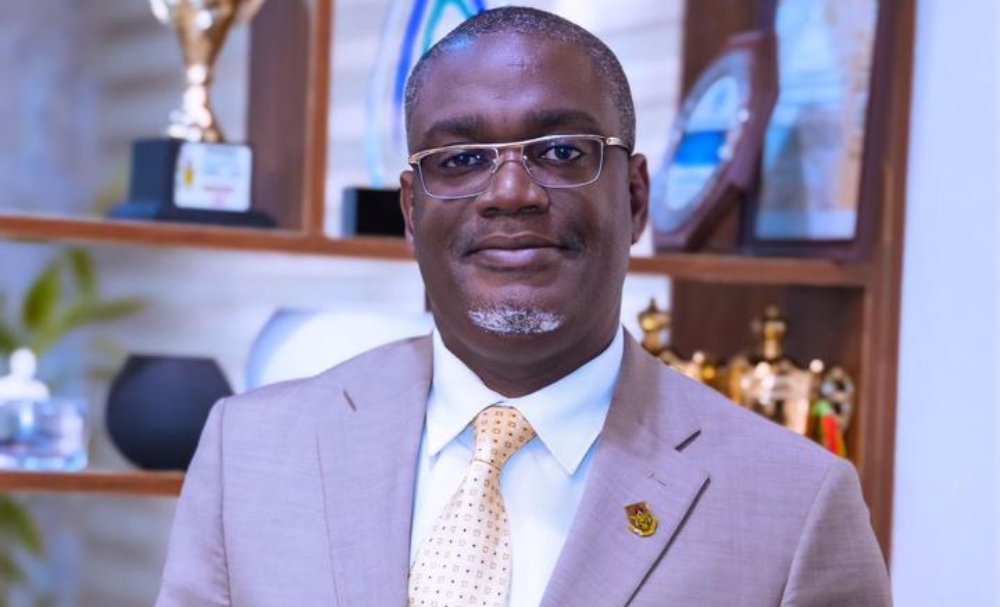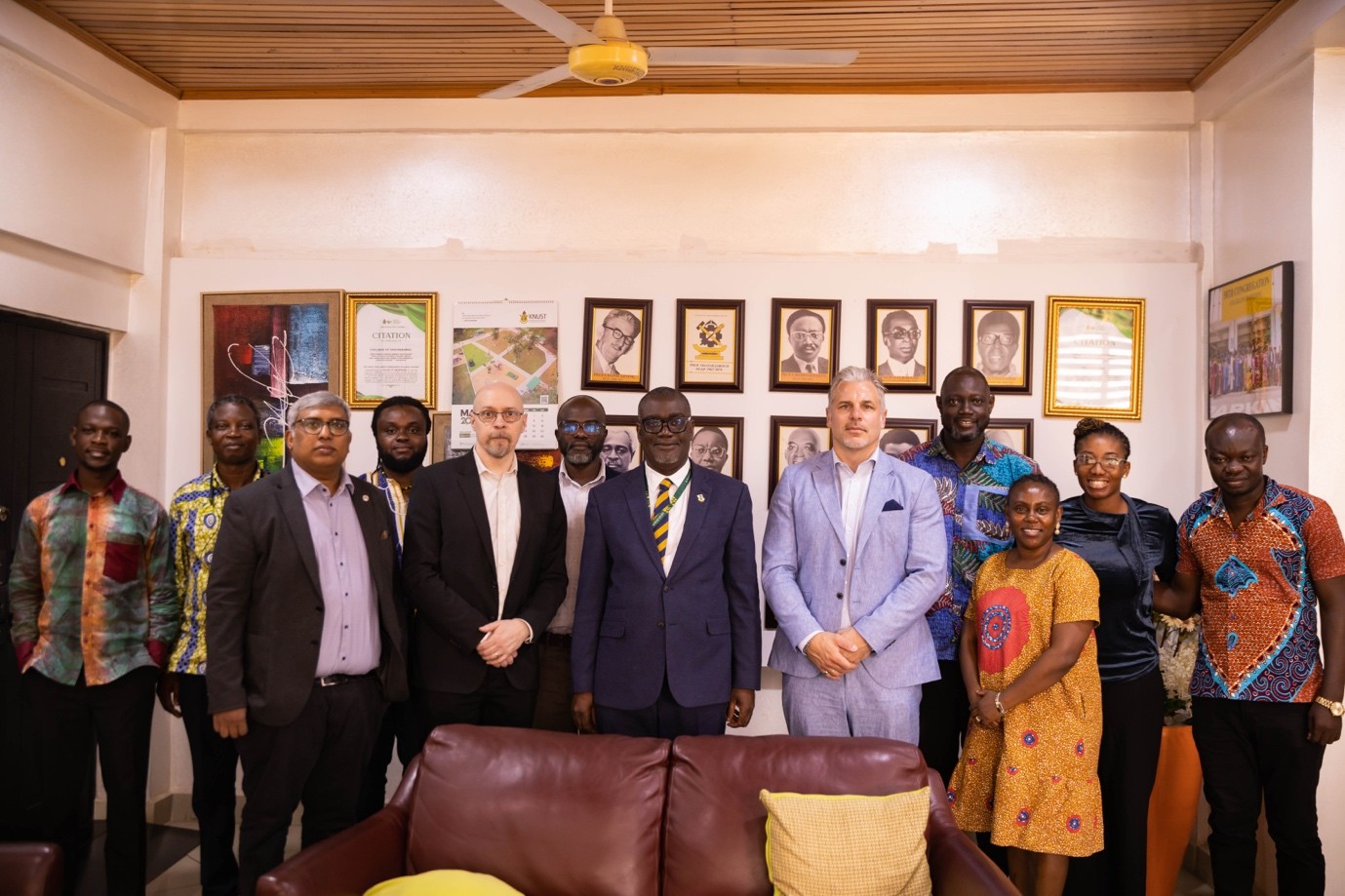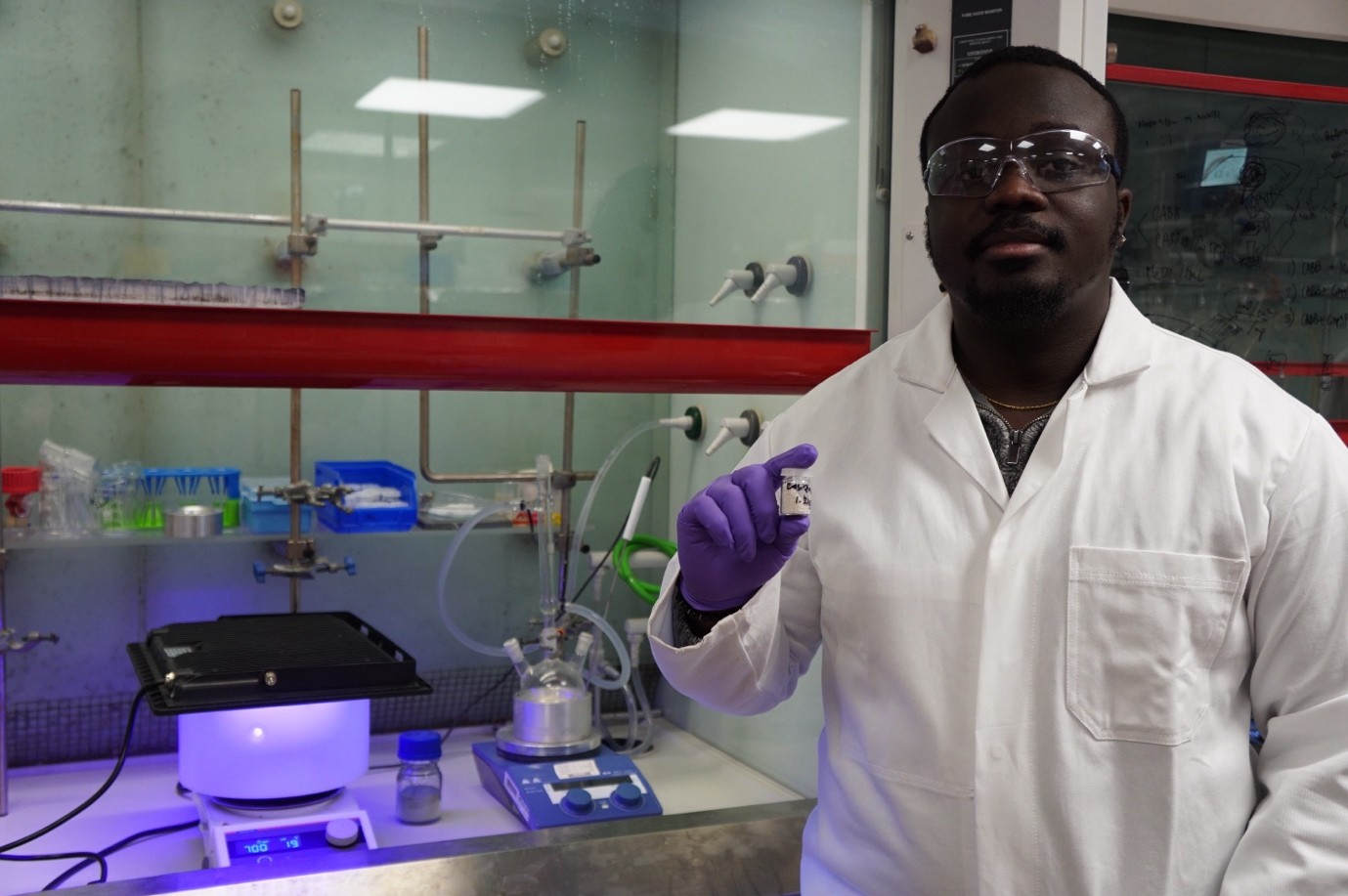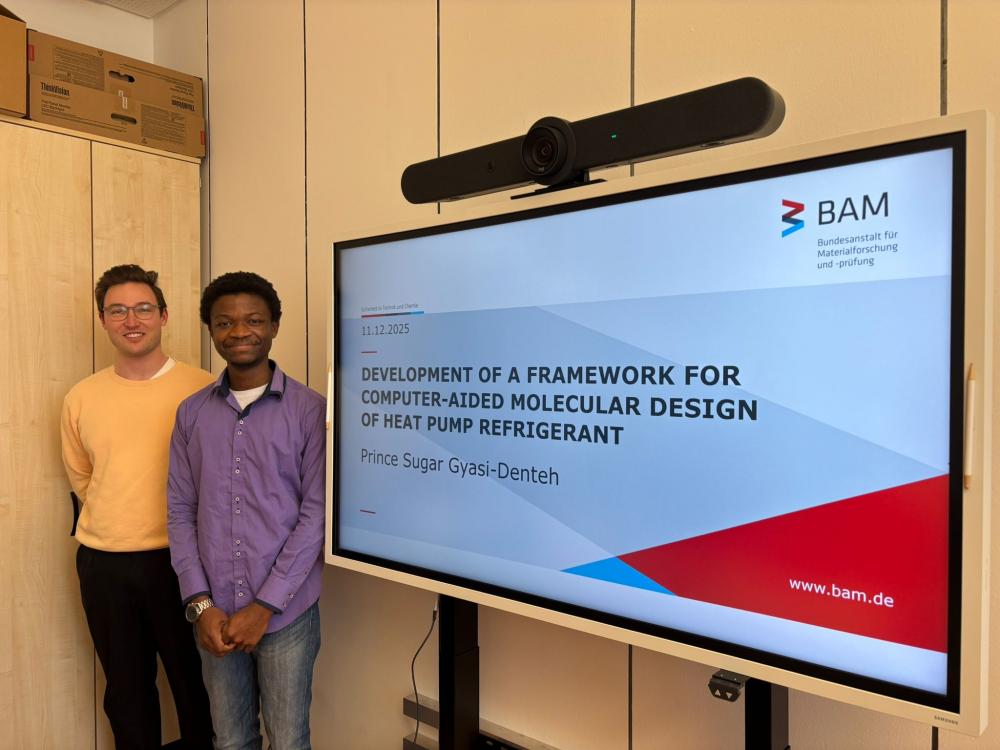
Prince Sugar Denteh, a student from the KNUST College of Engineering, has completed a research internship at the Bundesanstalt für Materialforschung und -prüfung (BAM), the Federal Institute for Materials Research and Testing in Berlin, Germany. The internship saw Prince contributing to cutting-edge research at the intersection of chemical engineering and artificial intelligence.
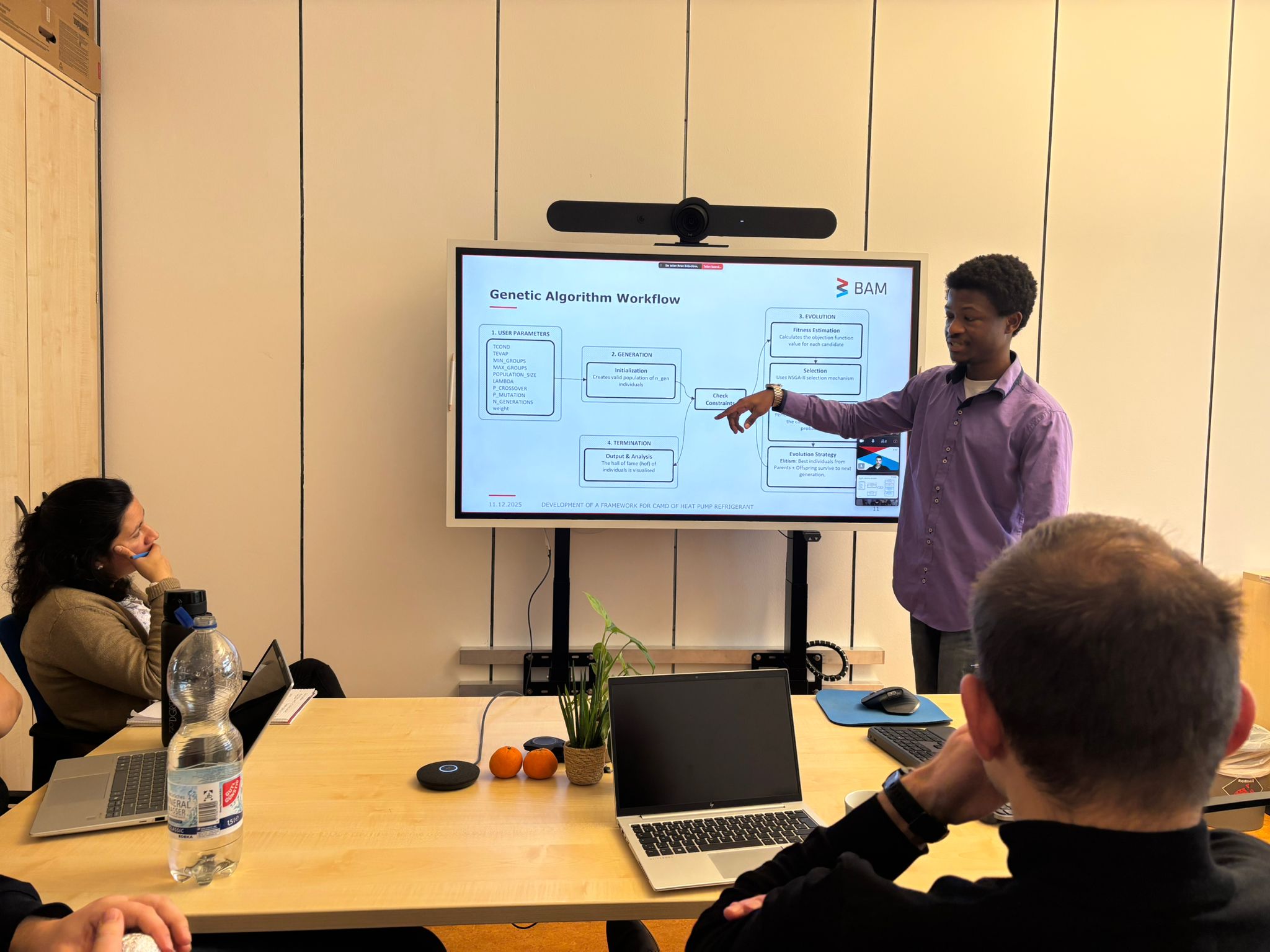
Hosted within BAM’s Process Simulation Department, Prince’s project focused on a critical global challenge: developing sustainable alternatives for refrigerants used in heat pump applications. The central objective was to create a Computer-Aided Molecular Design (CAMD) framework to discover and optimise novel refrigerant molecules that balance performance, safety, and environmental impact.
Prince’s work exemplified the principles of Chemical Engineering 4.0, merging deep domain knowledge with advanced computational tools. He developed a sophisticated Python-based framework utilising the Distributed Evolutionary Algorithm in Python (DEAP). This framework implemented the NSGA-II genetic algorithm, a multi-objective optimisation technique that enabled the simultaneous evaluation of thousands of potential refrigerant molecules against competing criteria like thermodynamic efficiency, Global Warming Potential (GWP), and safety parameters.
To predict the properties of these molecules, Prince constructed predictive models using both multilinear regression and machine learning techniques via the Scikit-learn library. He employed group contribution methods, notably Joback’s method, to estimate critical thermodynamic properties. The structural feasibility of the computer-generated molecules was rigorously validated using industry-standard cheminformatics tools, including RDKit, PubChem, and CAPE-OPEN. Furthermore, he utilised ORCA quantum chemistry software to generate and analyse infrared (IR) spectra for the most promising candidates, adding a layer of deep molecular characterisation to the computational search.
The project’s holistic approach ensured that the optimised refrigerant candidates were not only theoretically efficient but also aligned with real-world sustainability goals and safety regulations, incorporating estimates of flammability limits and flash points.
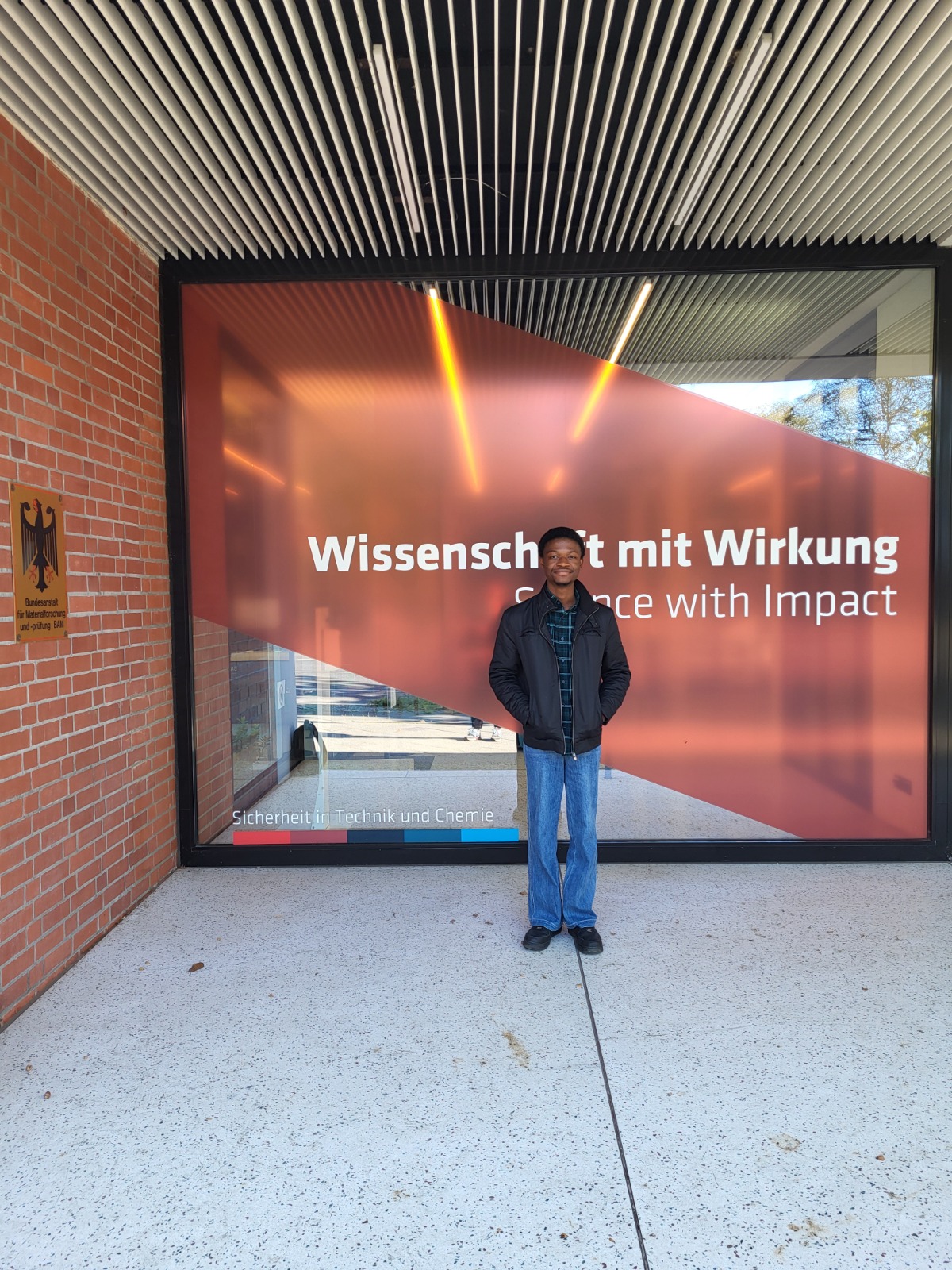
Beyond the technical achievements, the internship provided an invaluable professional and cultural experience. Prince was immersed in BAM’s culture of structure, precision, and accountability. He participated in weekly "Jour fixe" meetings, gaining insight into rigorous project management and progress evaluation at a high-level research institution. The experience demanded and fostered heightened proactiveness, adaptability, and self-reliance as he navigated complex challenges and integrated new concepts, such as synthetic accessibility scores and Morgan fingerprints, into his workflow.
"This internship was a transformative milestone in my engineering journey," said Prince Sugar Denteh. "It was an incredible opportunity to transition from theoretical academic knowledge to practical, high-impact application. I gained hands-on expertise in Python, evolutionary algorithms, and machine learning, competencies that are essential for the future of our field. Working at BAM has not only sharpened my technical skills but also broadened my global perspective and reinforced my readiness to contribute to innovation in sustainable technologies."

Prince’s successful internship at one of Europe’s leading research institutions stands as a testament to the quality of training and the global competitiveness of students from the KNUST College of Engineering. His experience underscores the College’s commitment to producing engineers equipped to lead and innovate on the world stage, driving forward solutions for a sustainable future.