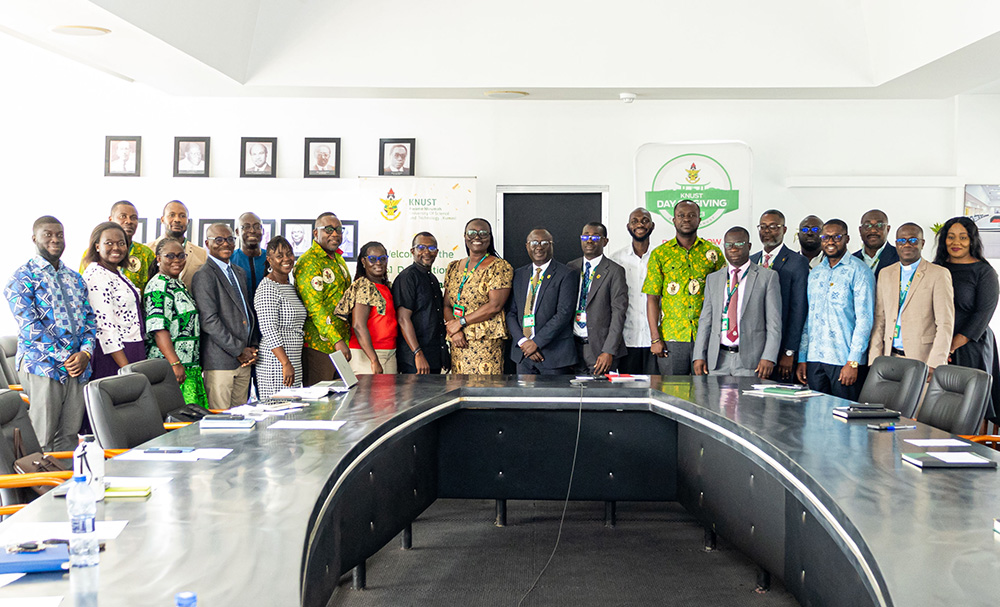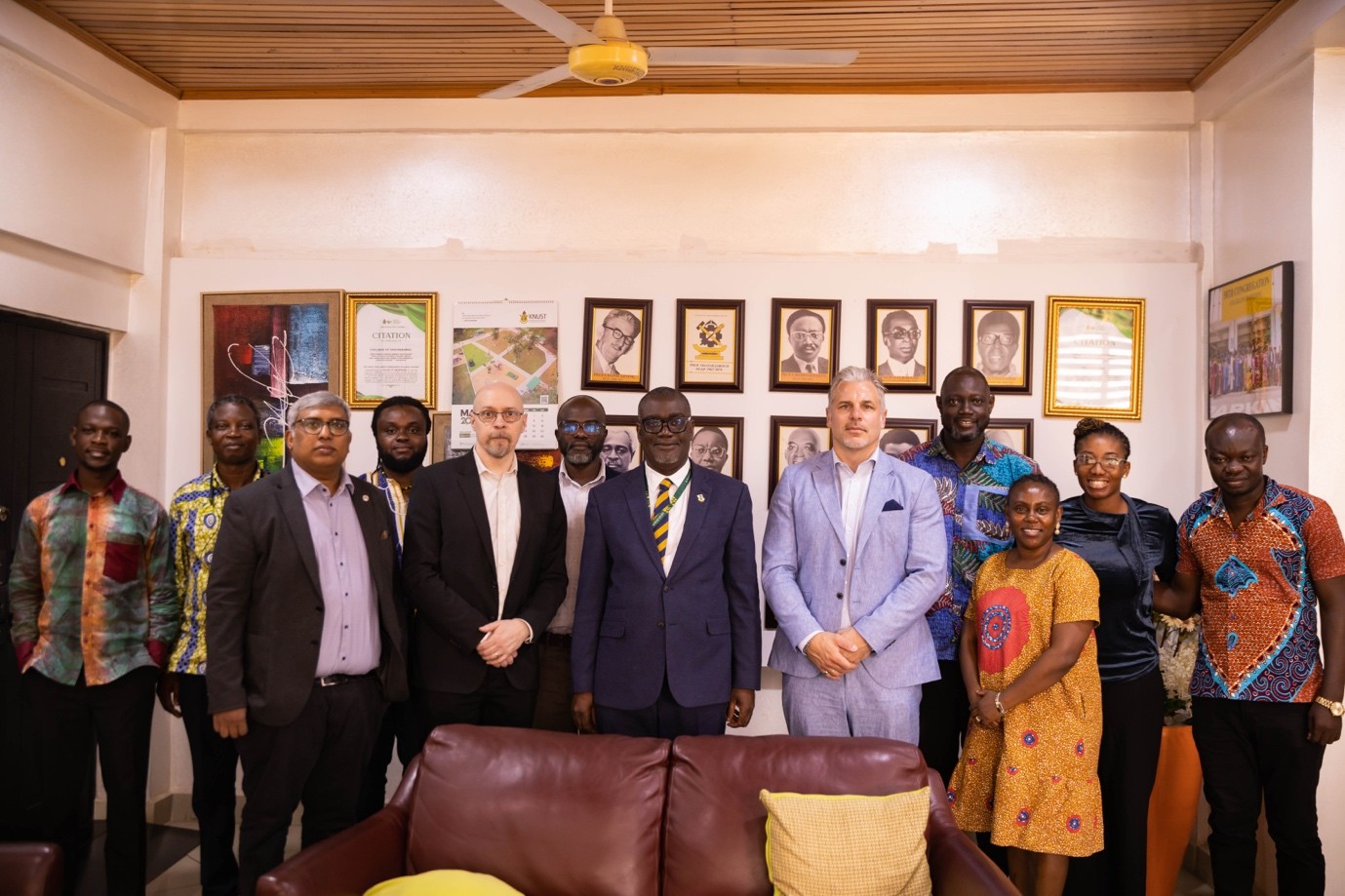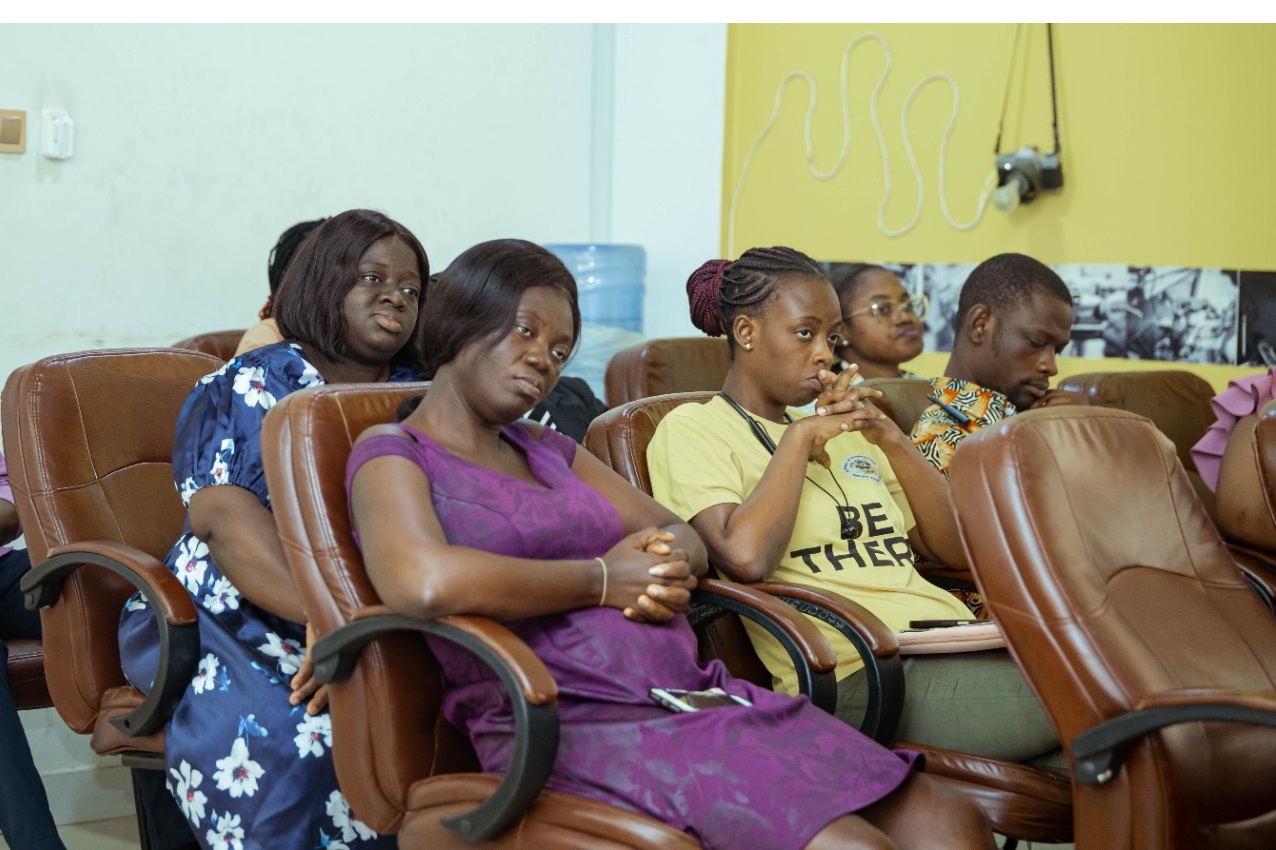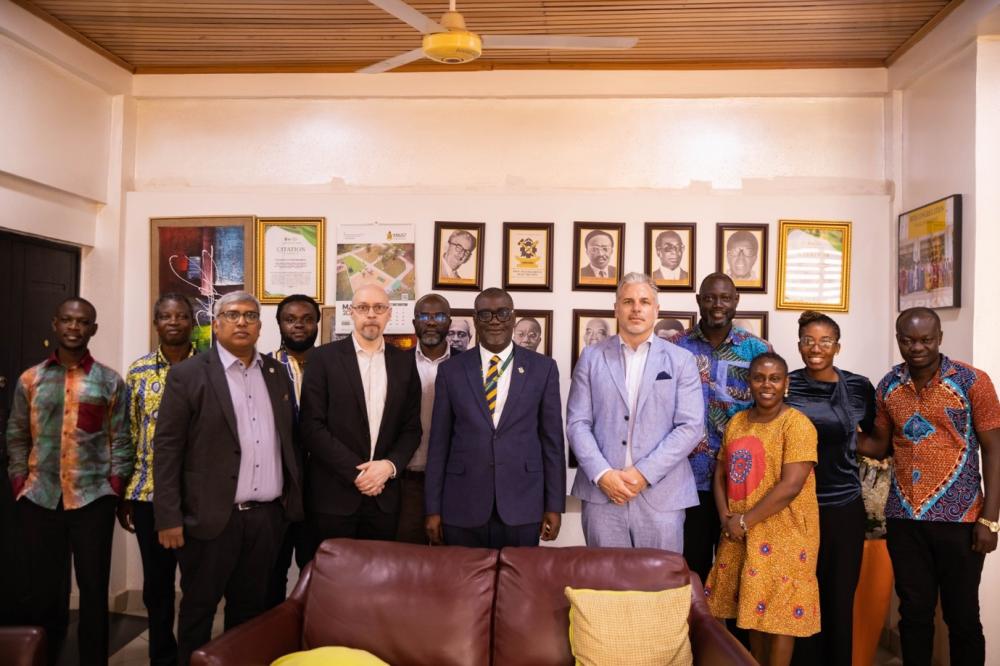
A delegation from the Blekinge Institute of Technology (BTH), Sweden, has paid a working visit to the College of Engineering, KNUST, to breathe life into the Memorandum of Understanding (MoU) signed between the two institutions just over a year ago.
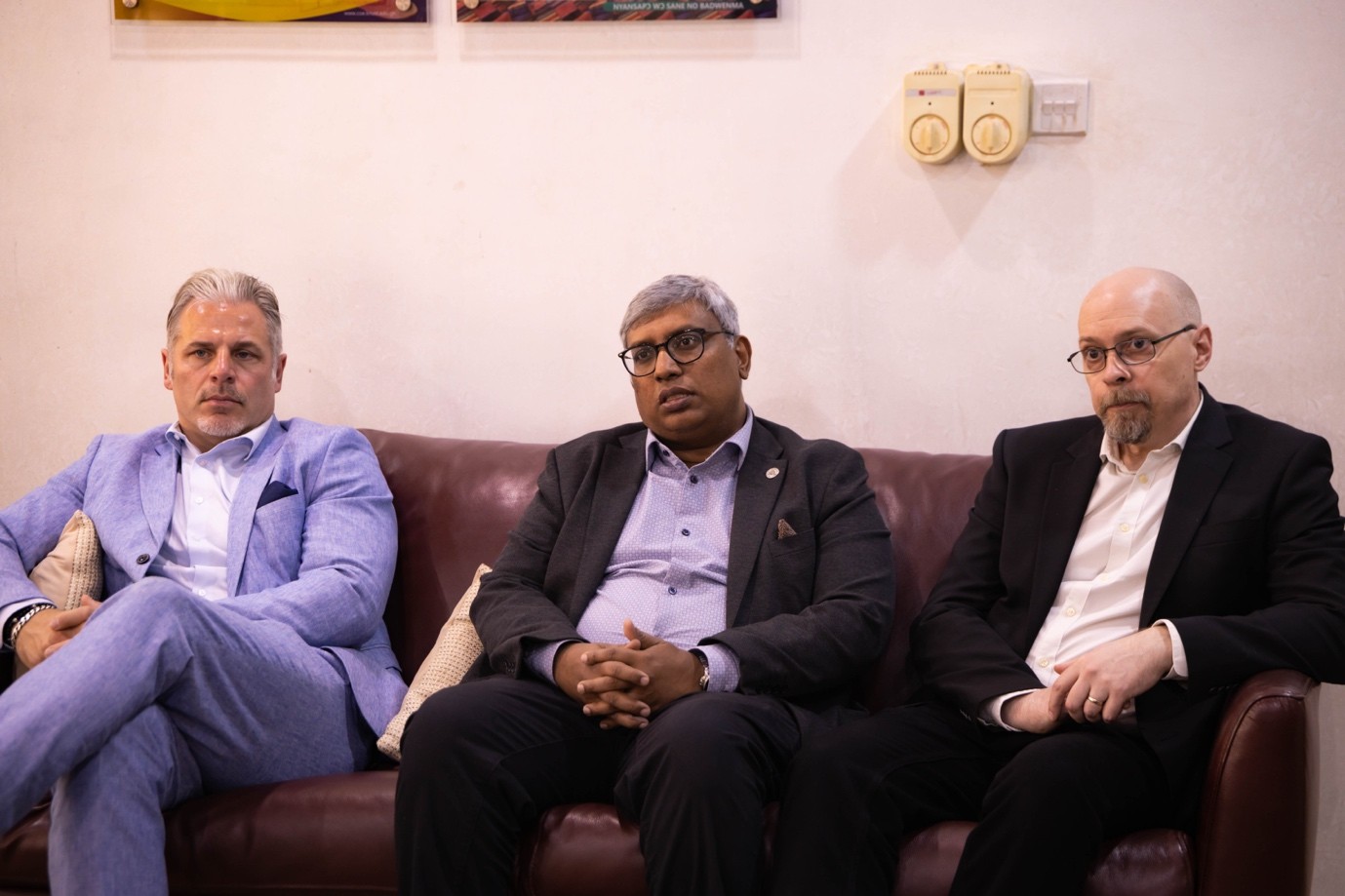
The Swedish team comprised Prof. Niklas Lavesson, Professor of Software Engineering and Country Director for Ghana–Tanzania; Mr. Gurudutt Velpula, Director of Internationalisation; and Prof. Martin Andersson, Professor of Industrial Economics and Dean of the Faculty of Engineering at BTH.
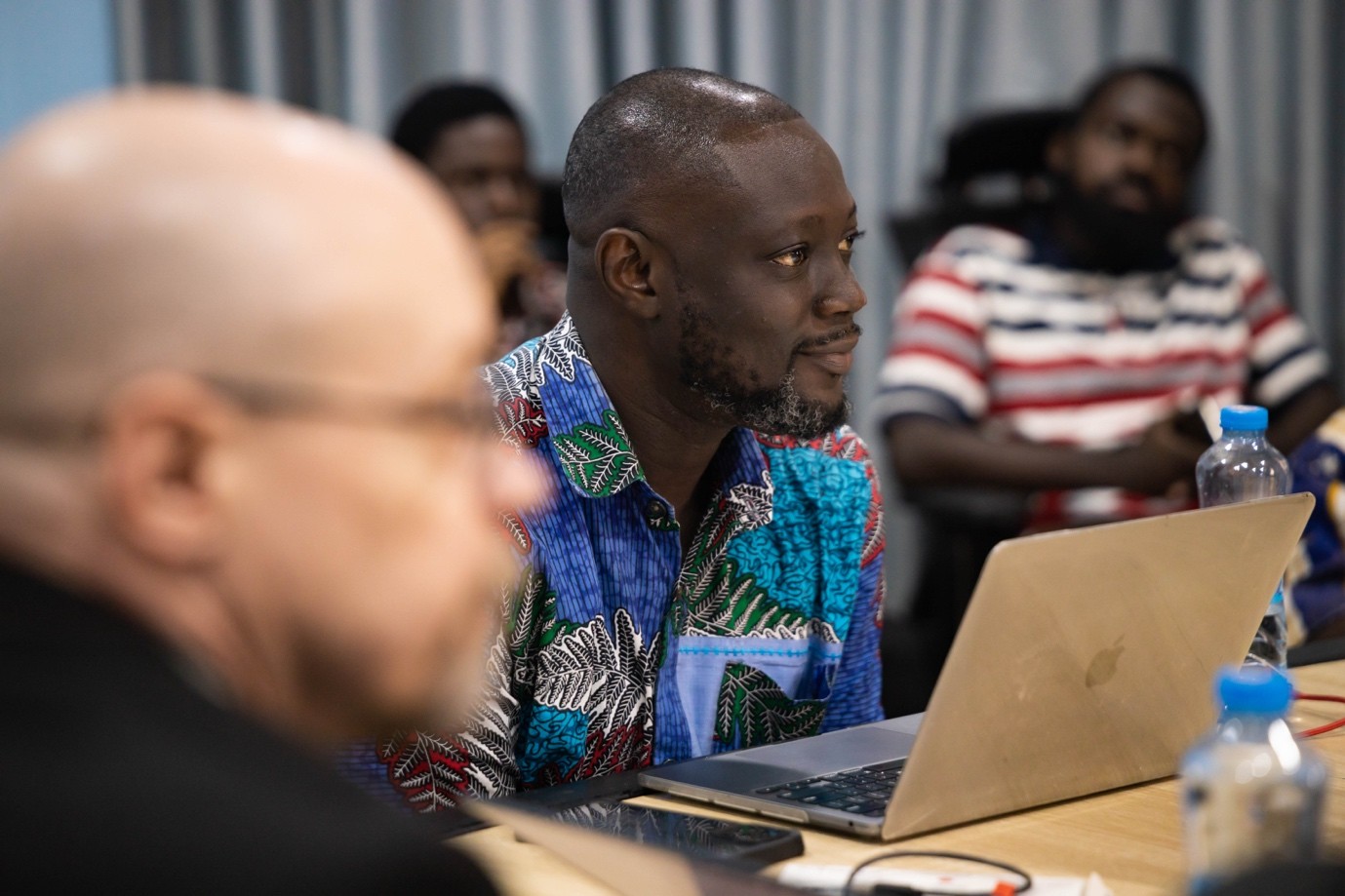
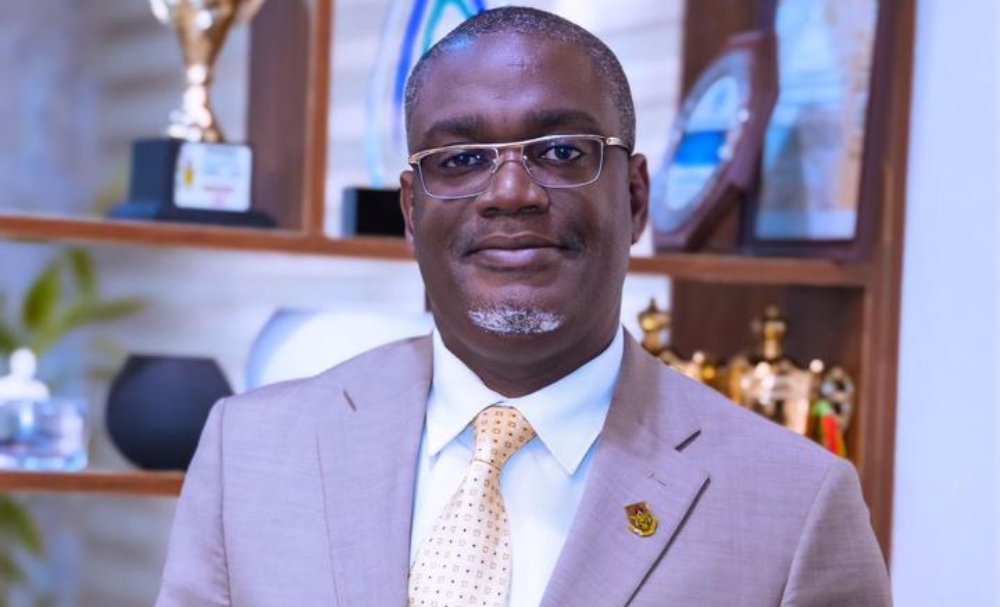
The delegation was received by Prof. Kwadwo Mensah-Darkwa, Vice-Dean of the Faculty of Mechanical and Chemical Engineering, who provided a comprehensive overview of KNUST, highlighting its vision, mission, student population, and the various programmes offered within the College of Engineering. Following productive discussions, Prof. Mensah-Darkwa led the delegation on a courtesy call to the Provost of the College of Engineering, Prof. Kwabena Biritwum Nyarko.
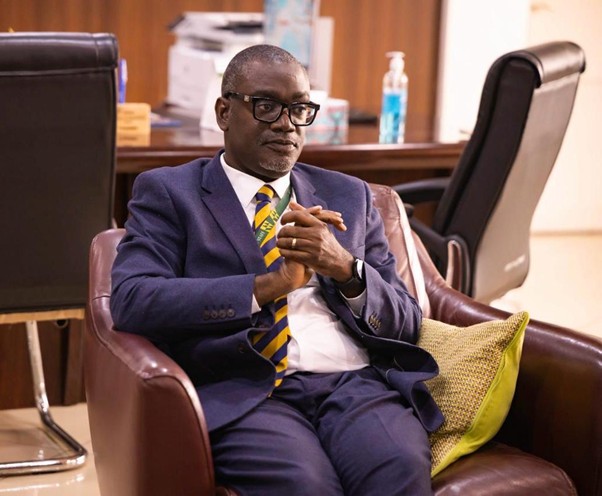
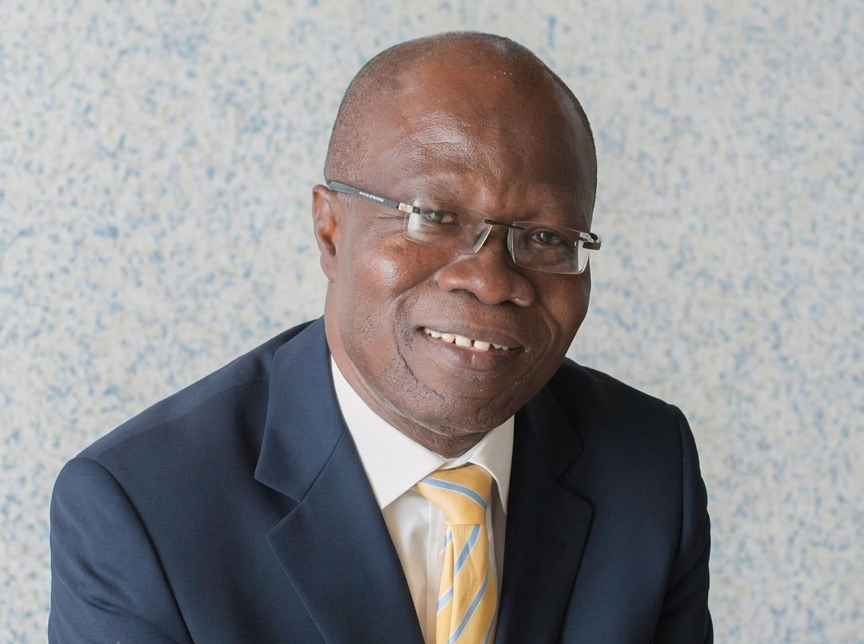
Prof. Nyarko expressed sincere gratitude for the visit and reaffirmed the College’s eagerness to operationalise the existing MoU. He, however, raised a pivotal question regarding funding sources to support proposed activities, such as student and staff mobility, joint master’s and PhD programmes, and collaborative research areas previously outlined by Prof. Mensah-Darkwa.
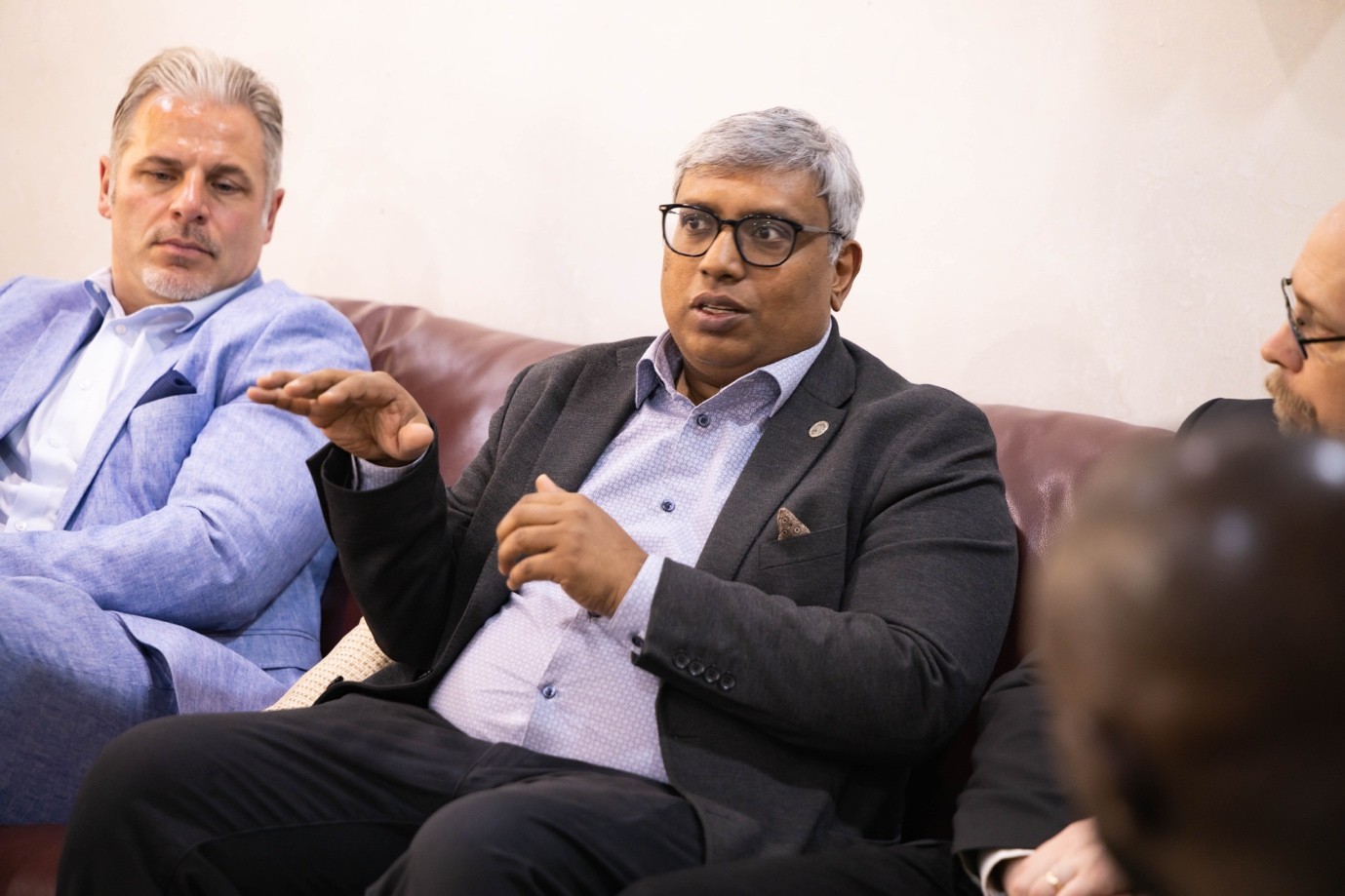
In response, Mr. Gurudutt Velpula noted that various international funding streams, including specific mobility grants and student scholarships, could be explored to support these initiatives.
Prof. Nyarko further advised that technology should be leveraged for remote teaching and that the possibility of organising a joint international conference should be explored. It was agreed that the immediate next steps would include the organisation of a needs-based seminar and the initiation of student mobility activities. The Swedish delegation also extended an invitation for the leadership of the College of Engineering to visit BTH in Sweden.
Both parties identified key thematic areas for collaboration, with a particular focus on the application of Artificial Intelligence (AI) and Machine Learning (ML) in health and agriculture. Joint proposal development and funding acquisition were highlighted as critical pathways to achieve these goals.
A significant outcome of the discussions was the proposal for a 2+2 joint degree programme, under which students would enrol at both KNUST and BTH simultaneously. The arrangement would allow students to complete the first two years of their studies at KNUST and then transition to Sweden for the remaining two years, ultimately earning a joint degree from both institutions. This model is expected to deepen academic integration, enhance cross-cultural exposure, and provide students with internationally recognised qualifications.
Mr. Gurudutt Velpula delivered a presentation on BTH, explaining that the university operates two faculties, the Faculty of Computing and the Faculty of Engineering. BTH runs taught master’s programmes and maintains strong collaborations with industry and society. He stressed that BTH’s internationalisation goal is to build responsible and impactful partnerships, with deeper educational collaboration, staff mobility (including non-teaching staff), international research, and teaching cooperation as prime focus areas. He proposed the creation of a framework for Ghana–Sweden Education and Research Cooperation.
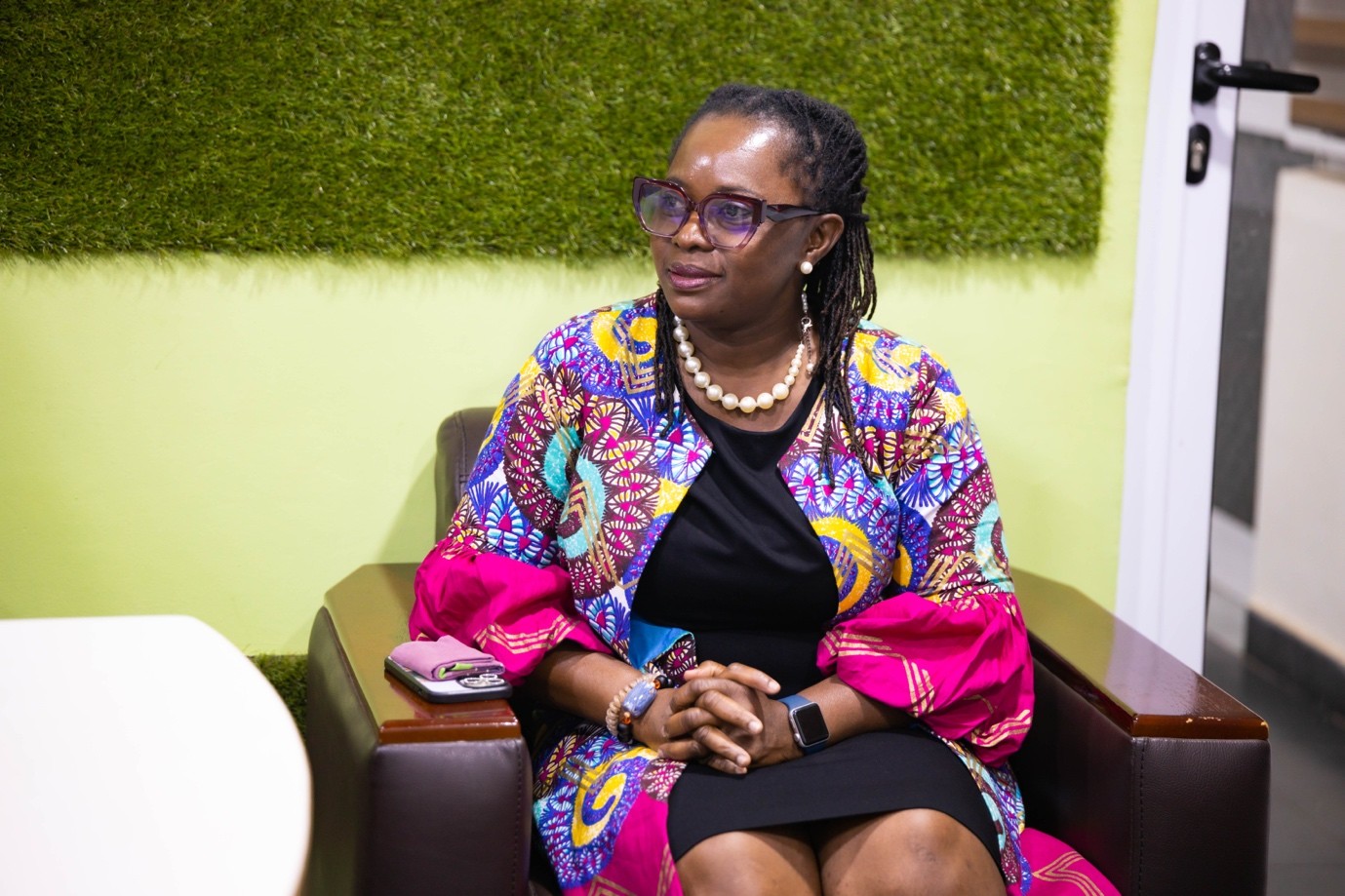
The team also paid a courtesy call on the International Programmes Office (IPO), where they were received by Prof. (Mrs.) Augustina Angelina Sylverken, Vice-Dean of the IPO. Prof. Sylverken expressed excitement about the renewed commitment, stating, “After a year of waiting, I am happy to see some action. I love to see active MoUs, and I am delighted to see mobility, joint research activities, and multi-departmental engagement.”
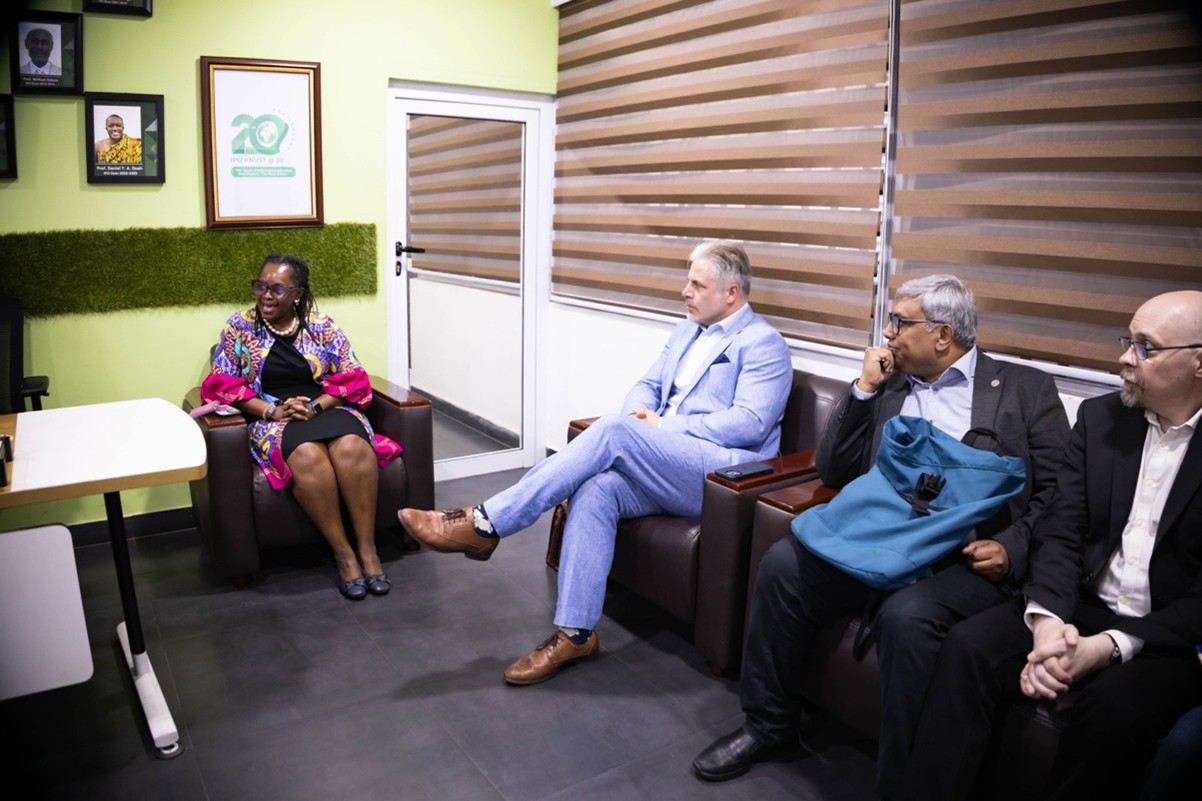
The Swedish team echoed this enthusiasm, sharing their vision for a joint master’s flagship programme and reiterating their passion for Sweden-Africa relations. “Both parties can learn from each other,” they noted.
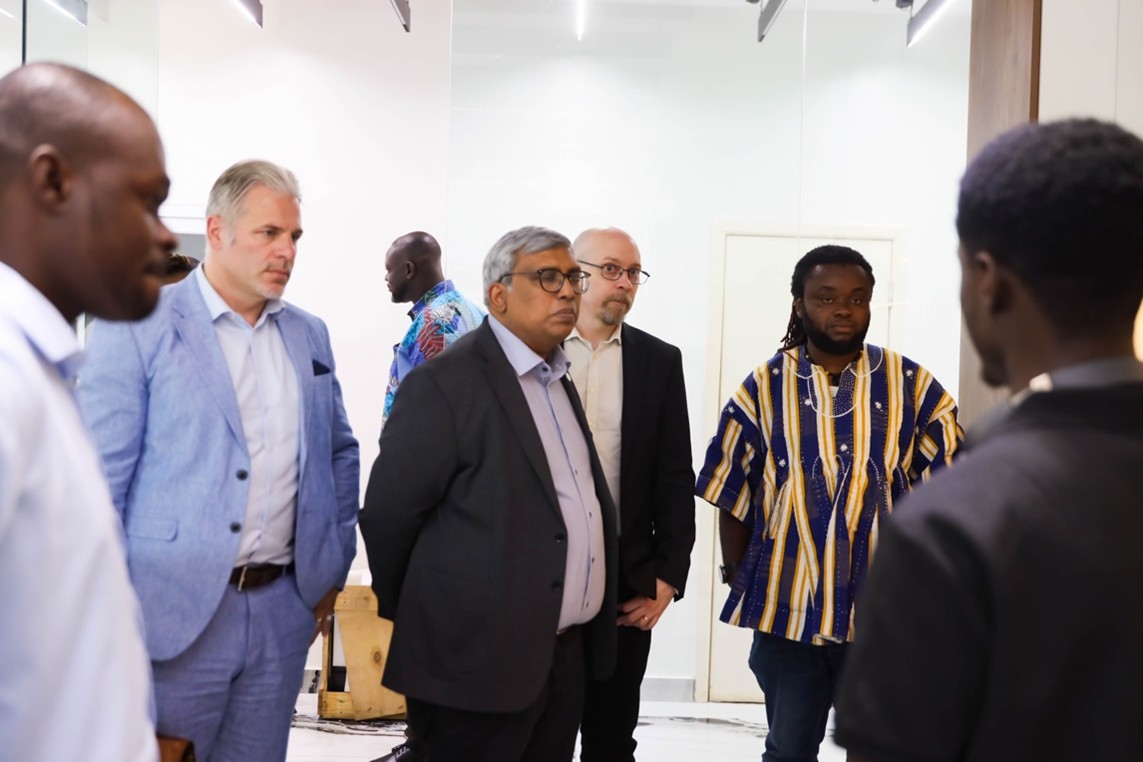
To conclude the visit, the delegation toured the Dipper Lab and the KNUST College of Engineering Innovation Center, where they witnessed first-hand the impressive innovative works being undertaken by students and faculty of the College.