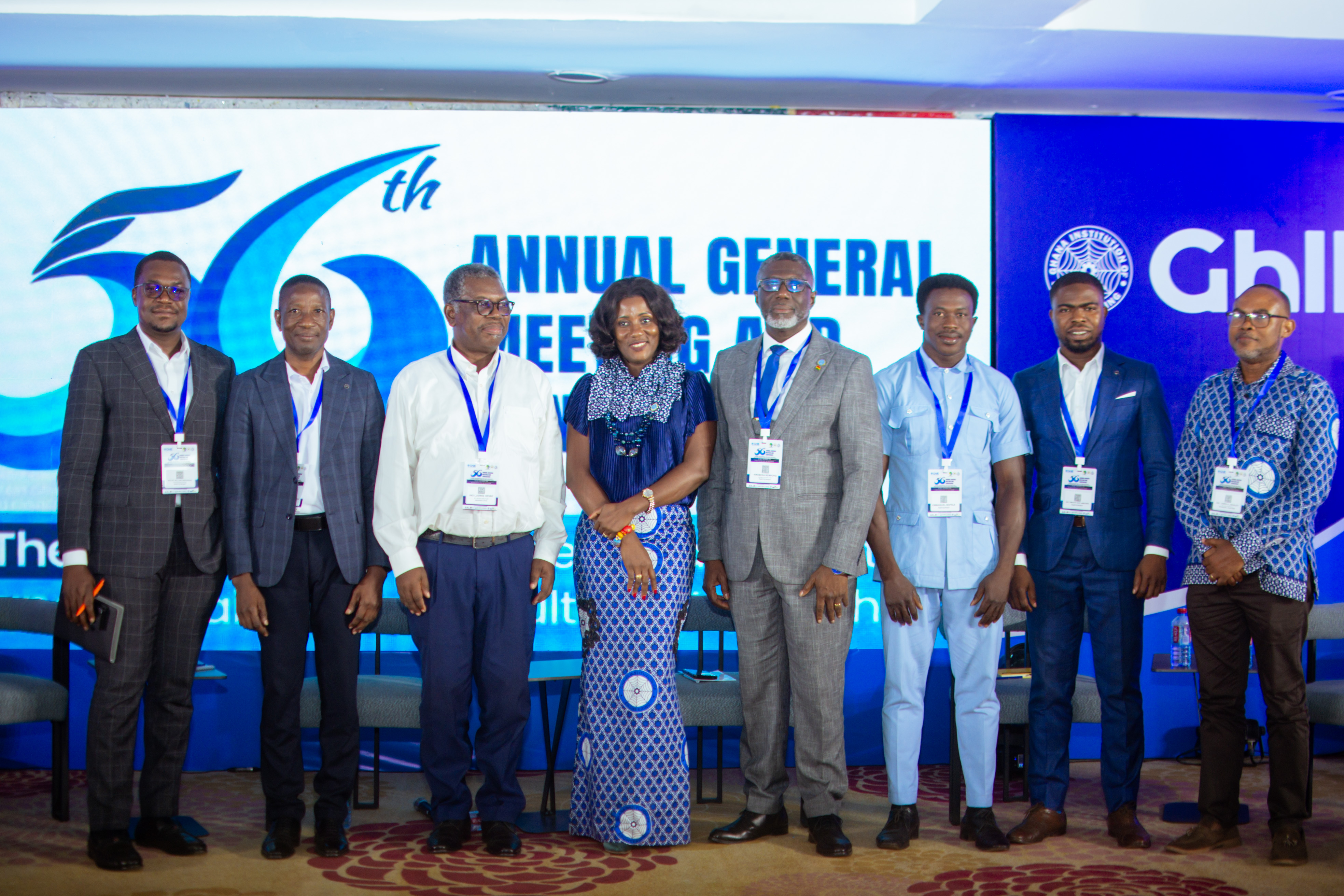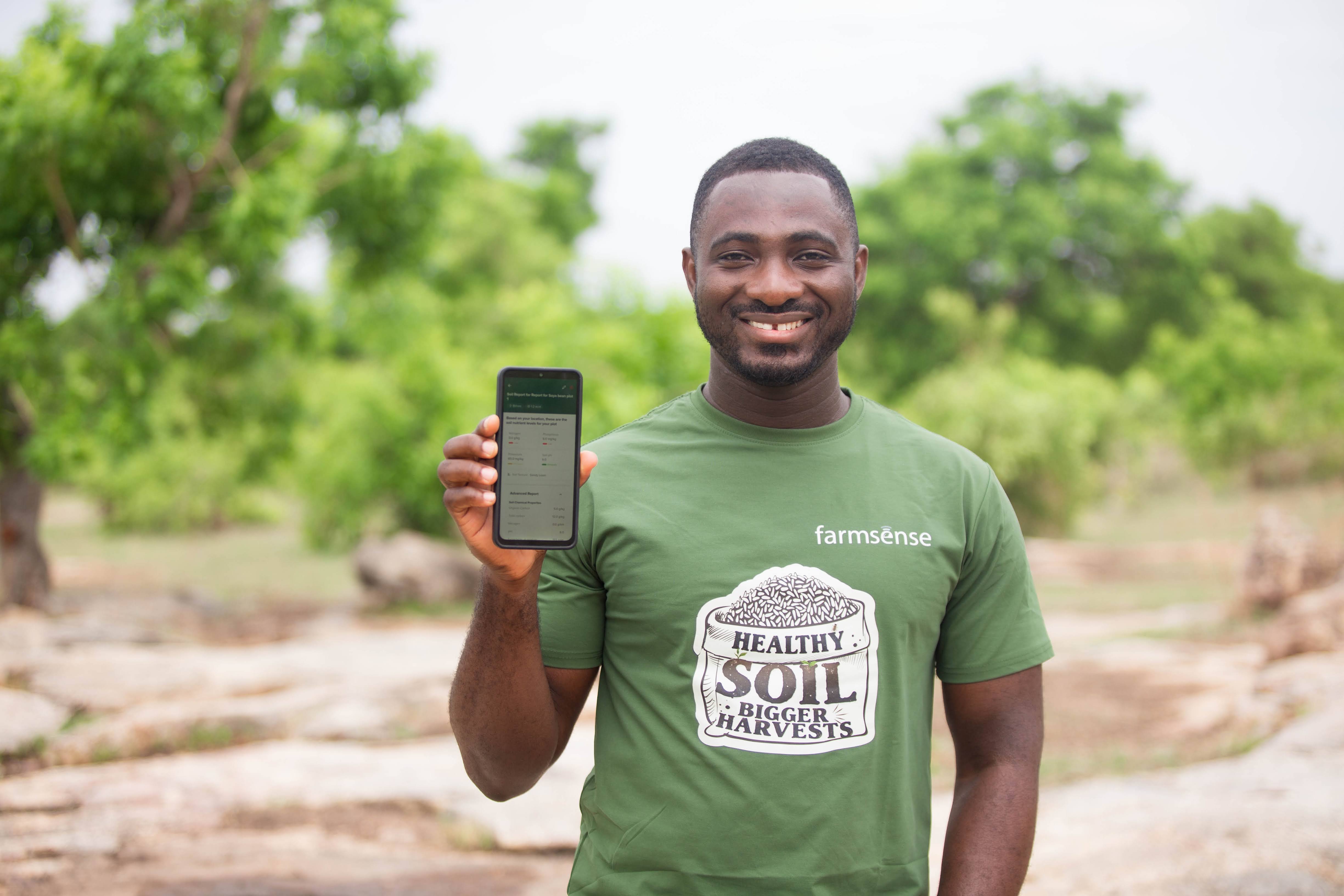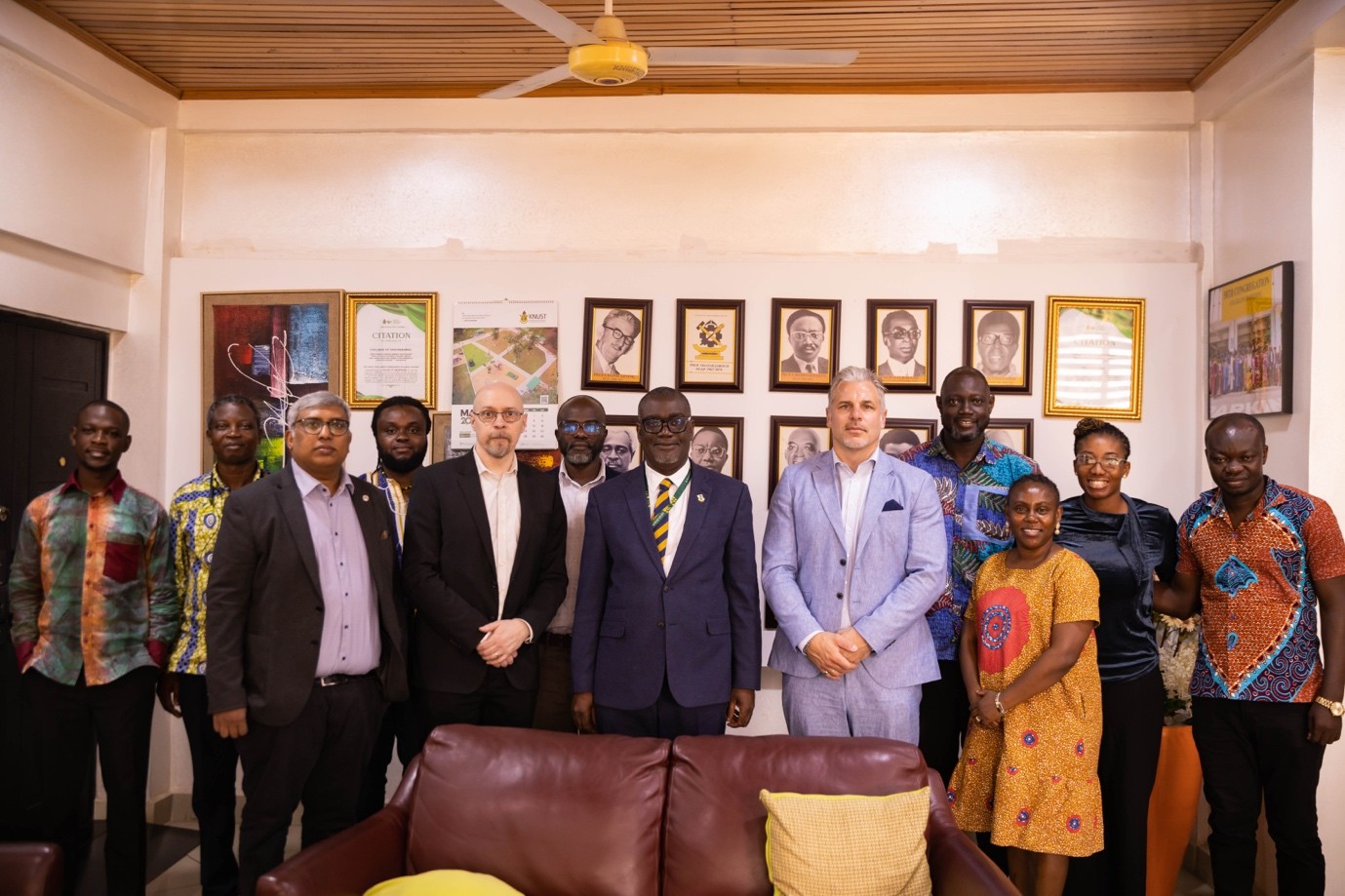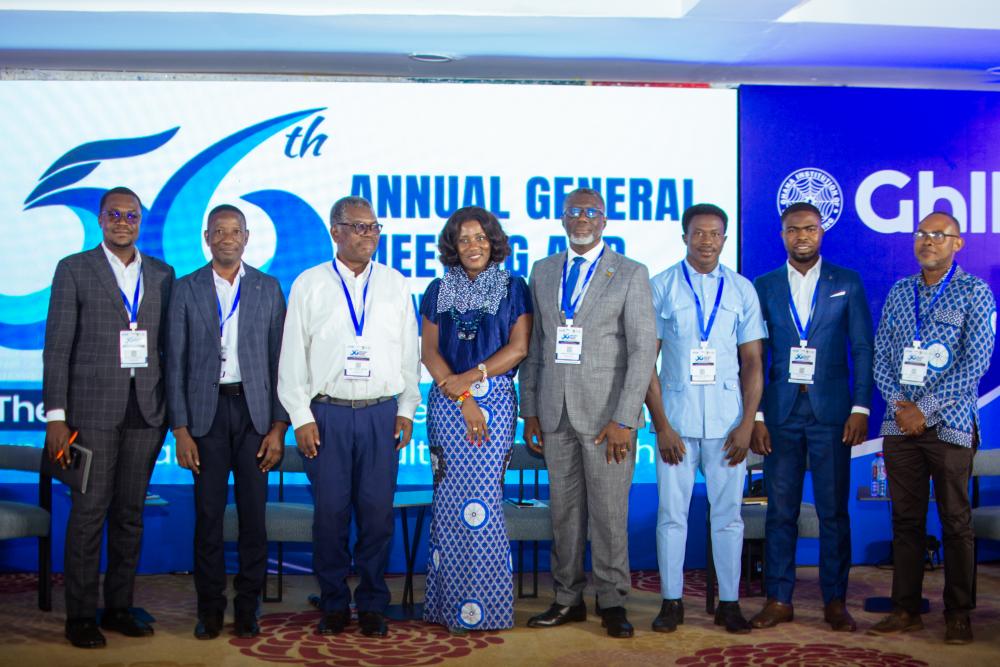
KNUST College of Engineering alumni once again shone at the GHIE 56th AGM and Conference, showcasing research and technologies that directly advance Ghana’s food security and sustainable agriculture agenda. Whether through mechanised cocoa processing, resilient infrastructure, agrivoltaics, climate-smart fruit chains, or energy optimisation, these engineers exemplify the university’s commitment to innovation and national service.
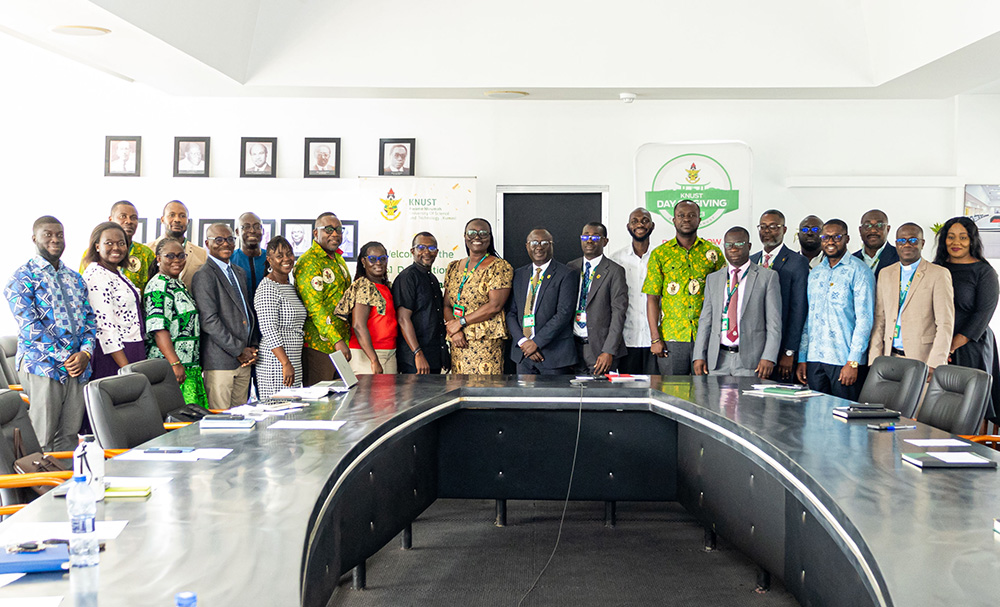
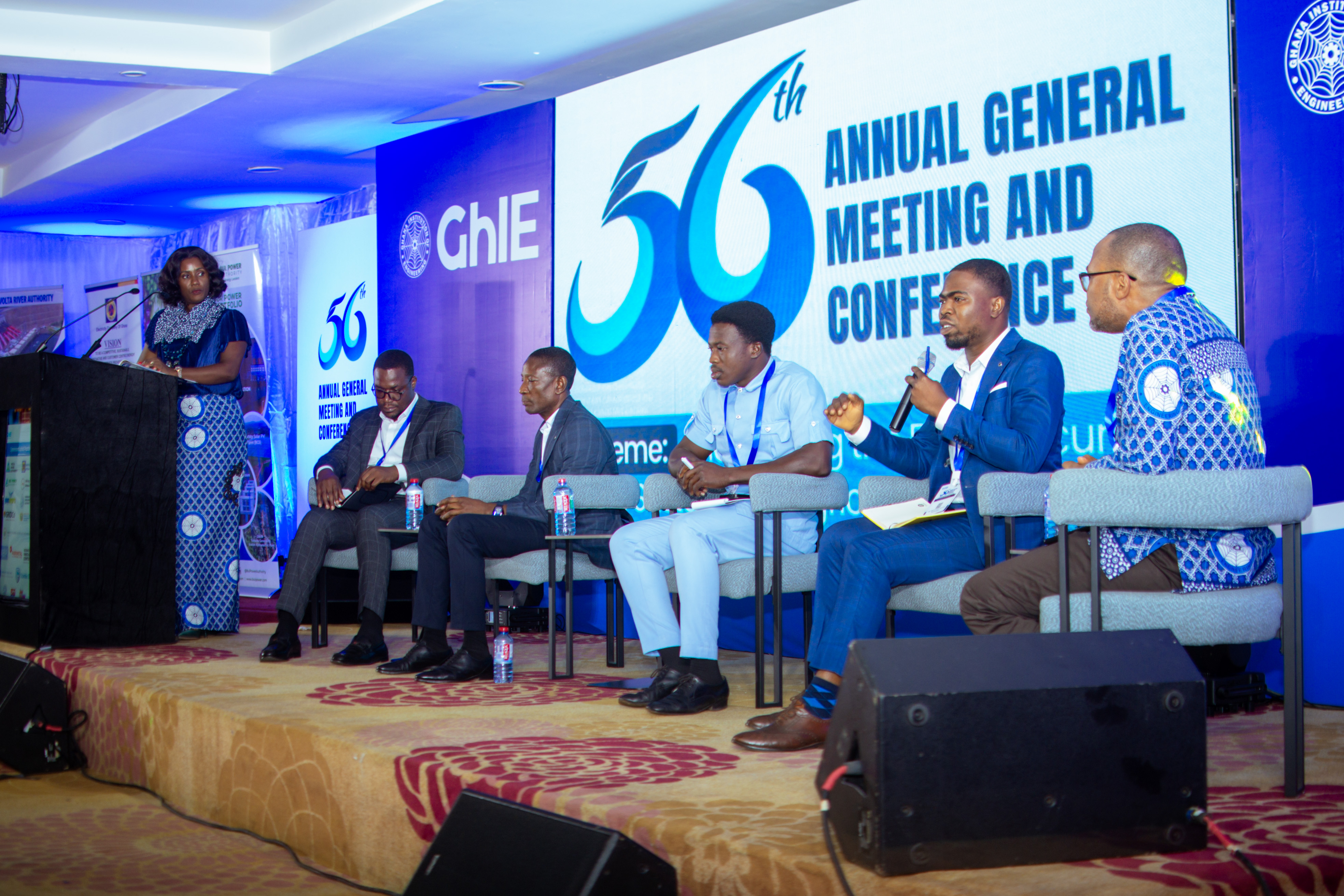
The Ghana Institution of Engineering (GhIE) 56th Annual General Meeting and Conference, held from March 16–20, 2026, in Ho in the Volta Region, united over 700 engineers, policymakers, industry leaders, and academics around the theme “Engineering the Food Security and Sustainable Agriculture Value Chain.” KNUST College of Engineering alumni stood out prominently, delivering innovative technical presentations that offered practical solutions to Ghana’s agricultural transformation challenges.
The conference featured rich technical sessions, policy dialogues, exhibitions, and forums for young engineers. KNUST alumni were well represented across disciplines including Agricultural & Biosystems Engineering, Civil/Structural Engineering, and Petroleum Engineering. Their contributions highlighted the university’s continued role in developing engineers who deliver impactful, context-specific solutions for national priorities.
Spotlight on KNUST Alumni Presentations
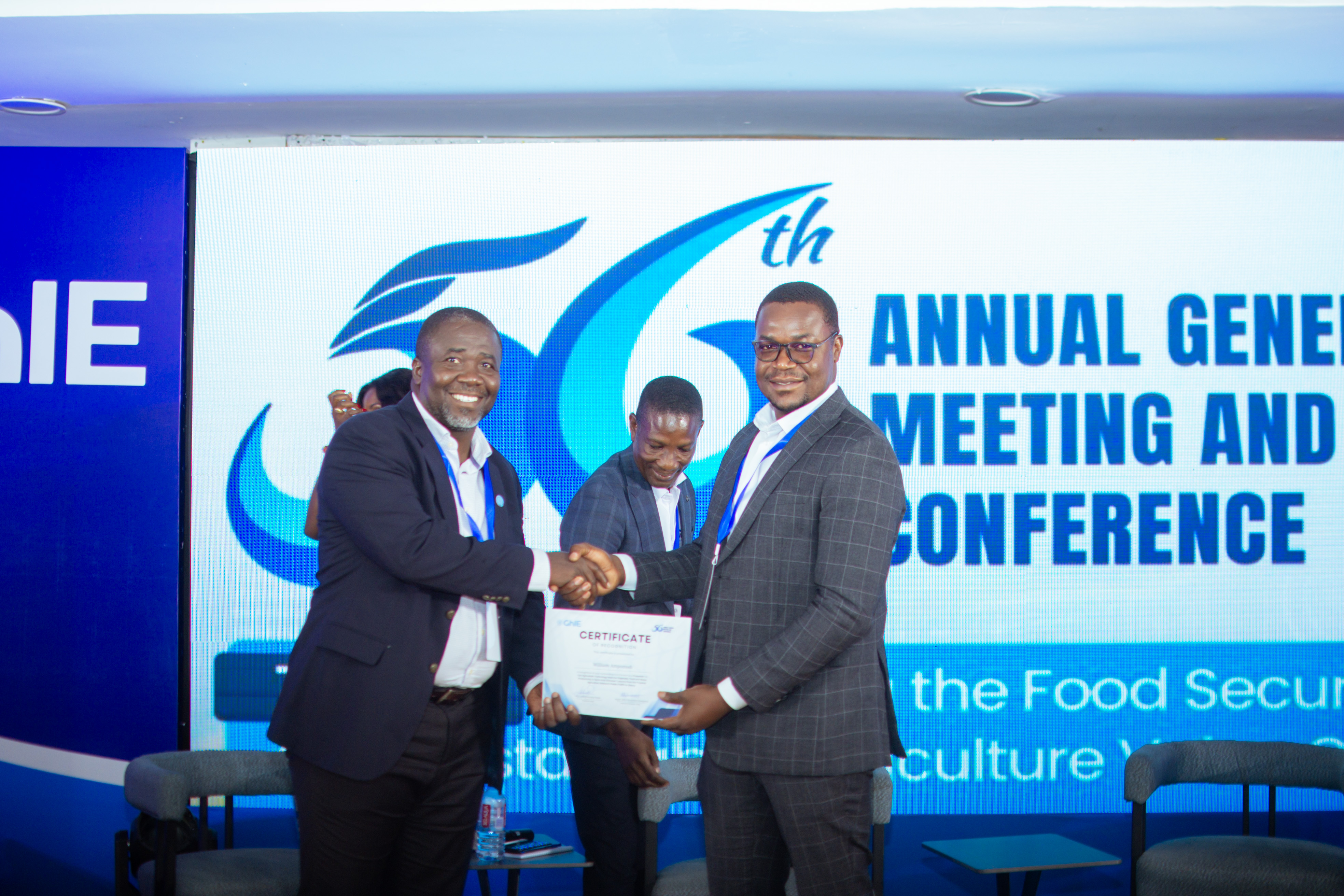
Dr. William Amponsah (BSc Agricultural Engineering 2010, Department of Agricultural and Biosystems Engineering) Senior Lecturer at KNUST, Scientific Coordinator for WASCAL CCLU, and Coordinator for the ARIPO MIP Programme, Dr. Amponsah presented “Can Agrivoltaic Technology Improve Vegetable Yield and Water Productivity in Semi-Arid Climates? Lessons from the Tropical Agrivoltaic Research Fields (TARF) in Ghana.”
Conducted in Forest and Savannah zones using a split-plot design for tomato, pepper, and garden egg, the research showed agrivoltaics improved microclimate (reduced soil temperature, increased soil moisture), enhanced vegetative growth, and maintained comparable yields to open-field farming. The system also delivered strong land-use efficiency through a favourable Land Equivalent Ratio (LER) alongside 68 kWh daily solar generation.
Dr. Amponsah called for policy support to integrate agrivoltaics into utility-scale solar projects and rural electrification efforts, including cold storage applications.
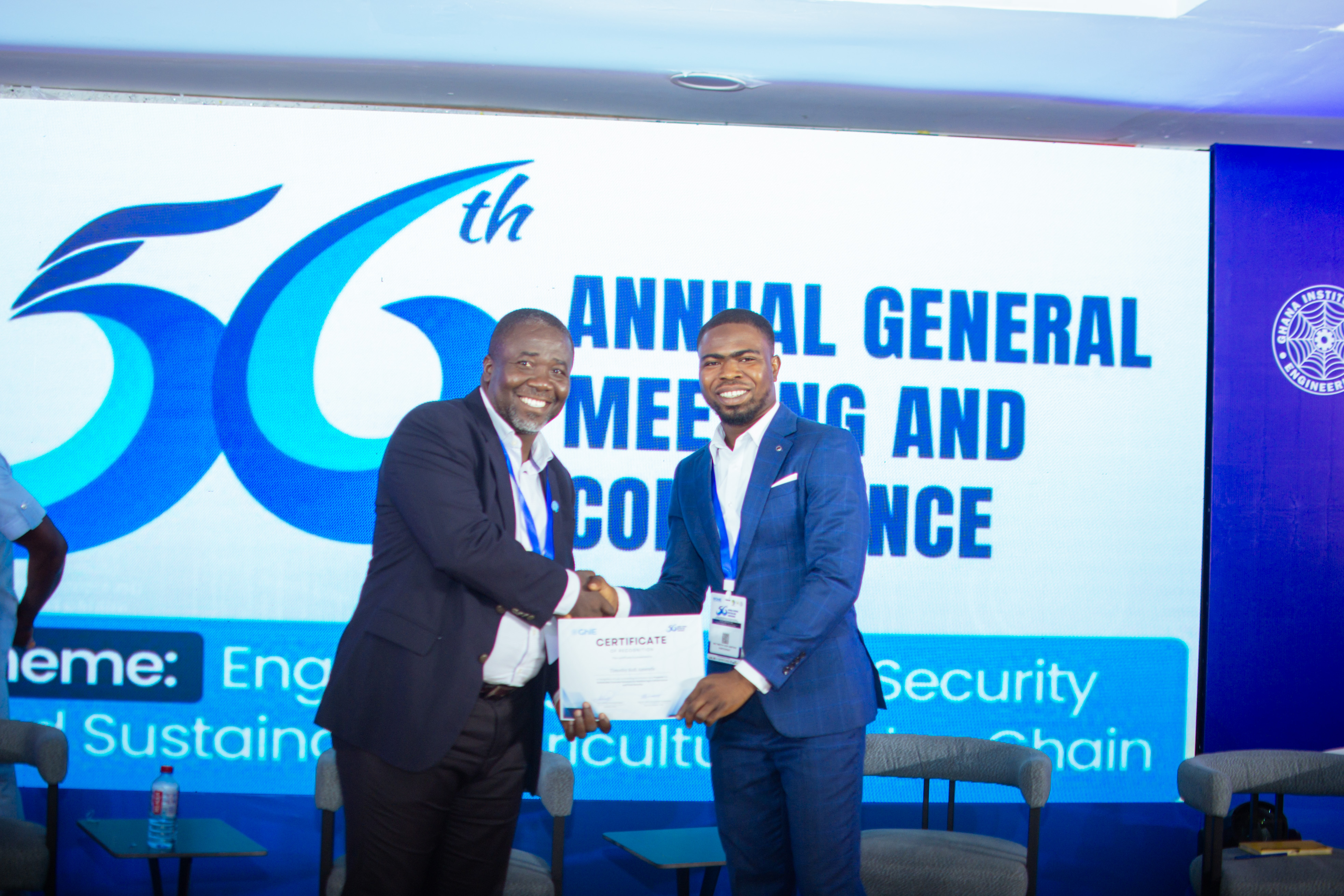
Ing. Timothy Kofi Ametefe (MPhil Structural Engineering 2024, BSc Civil Engineering 2019) Assistant Research Scientist at CSIR-Building and Road Research Institute and Head of the Civil Engineering Laboratory, Ing. Ametefe presented “Sustainable Concrete Solutions for Resilient Agro-Infrastructure and Food Security.”
His study examined a ternary blended Self-Consolidating Concrete using waste glass powder and calcined clay. The mix offered excellent fresh properties, comparable or improved compressive strength, superior durability (reduced porosity, better chloride and acid resistance), and significantly lower embodied carbon.
Ing. Ametefe advocated for its adoption in agro-infrastructure such as irrigation canals, farm roads, culverts, storage facilities, and drainage systems to promote circular economy principles and climate-resilient construction.
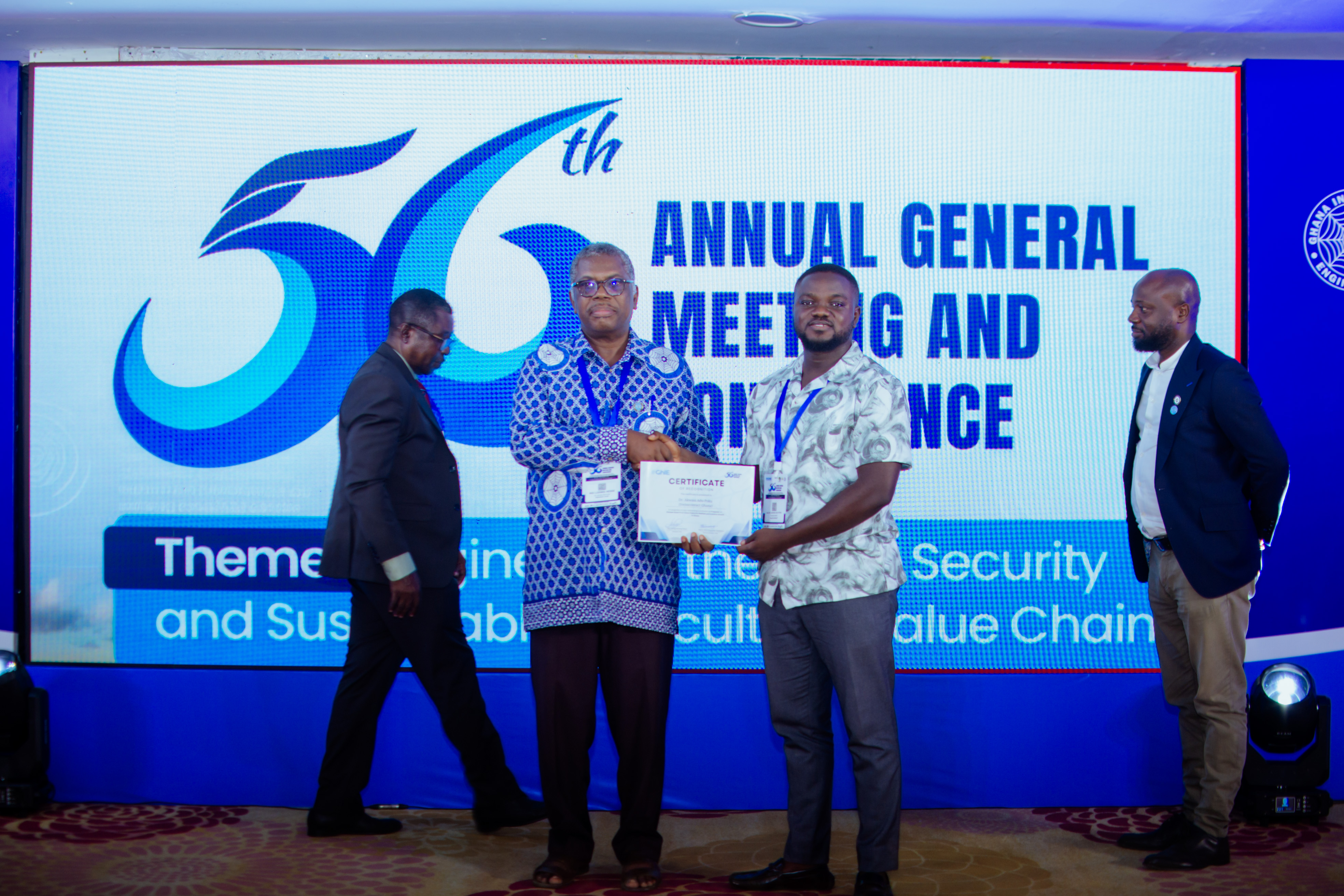
(BSc Agricultural Engineering 2018; PhD Bioengineering 2024, Department of Agricultural and Biosystems Engineering) Senior Project Officer at Swisscontact, Dr. Adu-Poku presented “Climate-Smart Fruit Value Chains for Resilient and Inclusive Growth in Ghana (C-FRUIT).”
The presentation highlighted integrated interventions ; improved planting materials, biochar application, solar-powered irrigation, regenerative agriculture, and carbon accounting for mango, pineapple, and coconut value chains. Innovations included virus-free materials, soil restoration techniques, and carbon credit models that empower women and youth.
Dr. Adu-Poku stressed the need for stronger academia-private sector-policy collaboration to scale climate-smart technologies and address challenges like climate variability and soil degradation.
Emmanuel Nkrumah (Petroleum Engineering 2025) Research and Teaching Assistant at KNUST and former President of the Petroleum Engineering Students Association (PESA), Emmanuel Nkrumah presented “Implementing Machine Learning Models for Estimating Solution Gas-Oil Ratio: A White-box Approach.”
His team’s simple, transparent machine learning model outperformed industry correlations using 601 global data points. While focused on upstream oil and gas, Nkrumah linked the research to food security by highlighting how reliable, affordable energy supports irrigation, agro-processing, cold storage, and transportation — reducing post-harvest losses across agricultural value chains.
Paxwell Damptey Adjei (BSc Agricultural Engineering, 2018) PhD Candidate at KNUST and winner of the African Agriculture Knowledge Transfer Partnership Project of the Year (2014 and 2025, Aston University, UK), Paxwell Adjei presented “Design and Finite Element Analysis of a Solar-Powered Cocoa Pod Breaker for Smallholder Farmers.”
His work addresses the inefficiencies of traditional manual cocoa pod breaking using knives and sticks, a laborious, time-consuming process that causes bean damage, limits productivity, and exposes farmers to injuries. The design employs a combination of mechanical impact and compression forces to open pods while minimising damage to beans and efficiently separating them from husks and placenta.
Key innovations include a mobile unit capable of processing about 1,800 pods per hour, powered by solar-charged batteries. This brings reliable energy to off-grid rural farms. Adjei recommended that Ghana COCOBOD promote commercialisation through subsidies, farmer education, and awareness campaigns to accelerate mechanised post-harvest operations.
Voices from the Alumni
The featured alumni noted that their KNUST training provided a strong foundation in problem-solving and innovation, enabling them to contribute meaningfully at the conference. Many emphasised the value of networking and the urgent need for greater collaboration between research institutions, industry, and policymakers to move innovations from presentation halls to farms.
Conclusion
The College congratulates all participating alumni and reaffirms its dedication to nurturing the next generation of engineers equipped to solve Ghana’s most pressing challenges. Stronger partnerships between KNUST, GhIE, government agencies like COCOBOD and the Energy Commission, and industry will be key to scaling these solutions for greater impact.