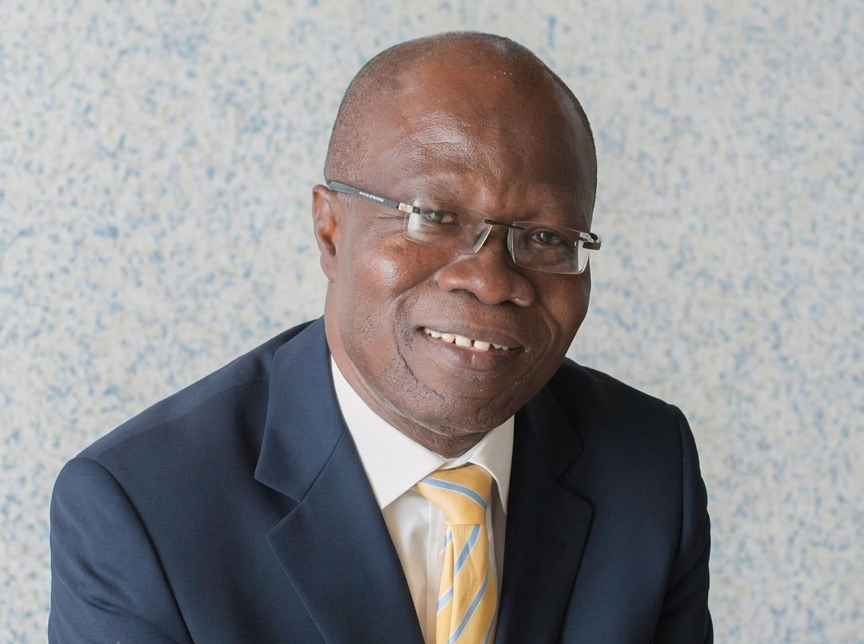
Professor Kwabena Biritwum Nyarko, Provost of the College of Engineering at the Kwame Nkrumah University of Science and Technology (KNUST), has been appointed Chair of the Engineering Education Committee of the Federation of African Engineering Organisations (FAEO) for the 2026/2029 term.
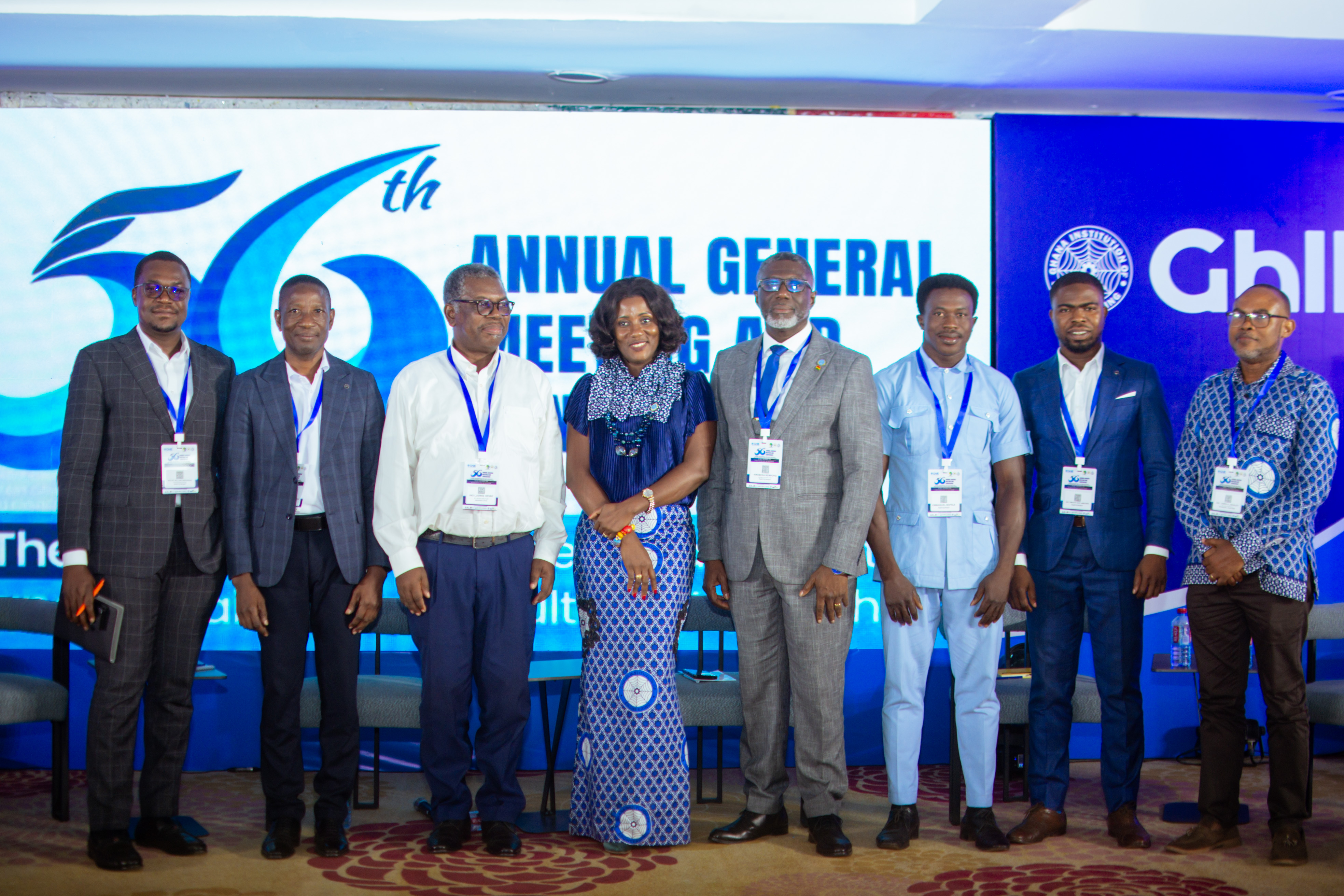
The appointment follows approval by the FAEO Executive Council of a proposal led under his guidance for Ghana to host the committee, a move described by the Ghana Institution of Engineering (GhIE) as a competitive and strategic win that places the country at the centre of shaping engineering education across Africa.
“By securing this strategic role, GhIE is positioned at the forefront of shaping engineering education across the African continent,” the Institution said.
It noted that hosting the committee creates opportunities to promote innovation in curriculum development, strengthen knowledge exchange, and advance best practices to prepare engineers for Africa’s development challenges.
With over three decades of experience in academia and professional engineering, Prof. Biritwum Nyarko has built a career spanning research, teaching and institutional leadership. His work in Water, Sanitation and Hygiene (WASH) has influenced policy and improved service delivery across several African contexts.
At KNUST, he rose through the academic ranks to become Provost of the College of Engineering. According to GhIE, his leadership has helped mobilise over US$25 million in research and capacity-building grants, double the College’s endowment fund, and expand its alumni network to more than 16,000 members.
The Institution described the appointment as recognition of his long-standing contribution to engineering education and practice.
“Ing. Prof. Nyarko’s appointment reflects a career distinguished by impact, leadership, and relevance,” GhIE said.
At the national level, he serves as a Council Member of GhIE and has contributed to engineering governance and policy development. GhIE also highlighted his role in mentorship and human capital development, noting that his supervision and scholarly work have contributed to training a new generation of engineers and expressed confidence in his leadership.
“At a time when universities are expected to play a more decisive role in innovation, industry collaboration, and national transformation, his appointment signals confidence in a leadership model grounded in experience, vision, and measurable impact,” the statement added.