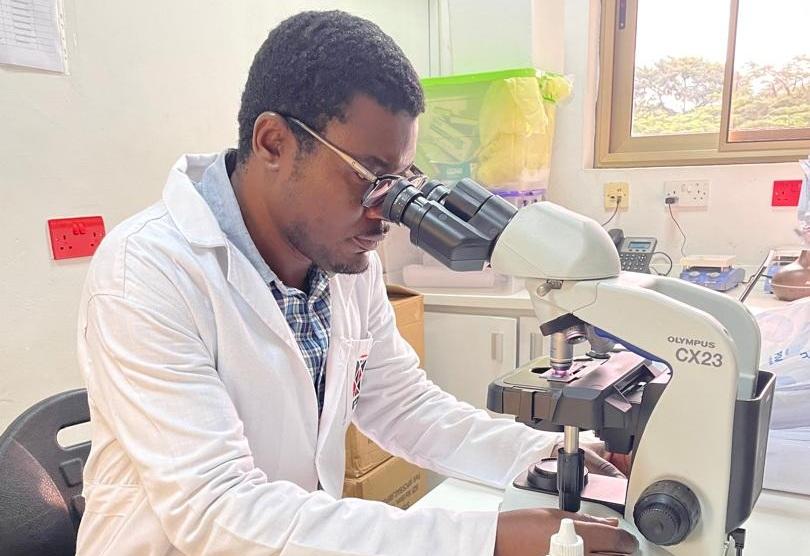
Imagine going to the hospital to get better, only to leave with a new and dangerous infection. This is the reality of healthcare-associated infections (HCAIs), infections that patients develop within 48 hours of being admitted to a hospital. They may arise from medical procedures like medical implants, surgery or simply from contact with contaminated hospital environments. Common examples include infections caused by Methicillin Resistant Staphylococcus aureus (MRSA) and Clostridium difficile. Despite advances in healthcare, HCAIs remain a major global concern and are worsened by the growing challenge of antimicrobial-resistant “superbugs.” But what if the solution isn’t just stronger medicine, but smarter surfaces?
One of the biggest hidden sources of infection is something we touch every day: surfaces. Objects such as doorknobs, push plates, hospital beds, and even surfaces in public transport hubs can harbor dangerous microbes and enable their spread. The COVID-19 pandemic increased awareness of how surfaces can act as reservoirs for viruses and bacteria, but infection rates linked to surface contamination are still troubling.
Traditionally, hospitals rely on disinfectants, ultraviolet (UV-C) light, and chemical cleaning agents to control contamination. While useful, these methods are often temporary, costly, and require repeated application to remain effective. As antimicrobial resistance continues to rise, there is a growing need for more sustainable and long-lasting solutions.
A novel approach is changing that: mechano-bactericidal surfaces. Inspired by natural surfaces such as insect wings, this innovative technology uses nanoscale structures to physically damage bacteria on contact. Instead of killing microbes with chemicals, these engineered surfaces rupture and destroy bacterial cells mechanically, making it much harder for them to develop resistance.
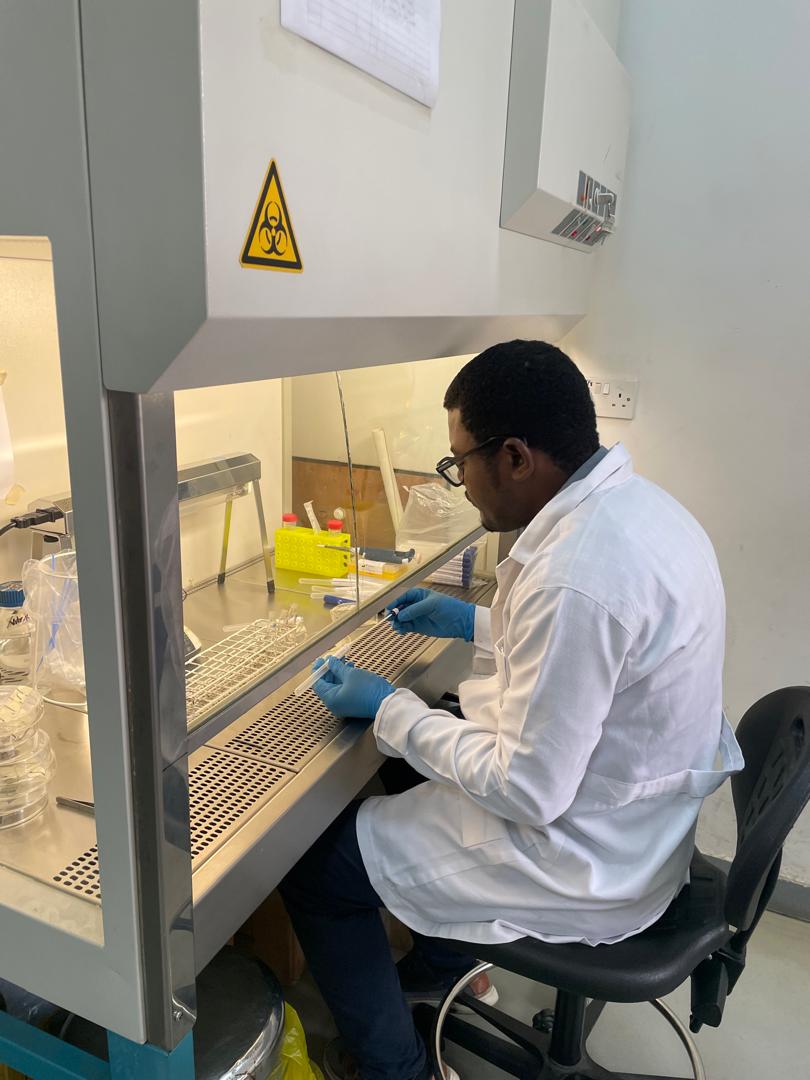
Our research applies nanotechnology and surface engineering to create advanced antimicrobial biomaterials for biomedical implants, hospitals and other hygiene-critical environments. Working with international collaborators, we have successfully developed mechano-bactericidal surfaces for titanium and aluminium surfaces. Laboratory testing has shown remarkable results, achieving up to 99.99% reduction in MRSA and 99.999% reduction in other harmful bacteria like E. coli and Pseudomonas aeruginosa.
Unlike traditional cleaning approaches, mechano-bactericidal technology is a one-time surface modification strategy that provides continuous antimicrobial protection. When combined with basic practices like hand washing, it offers a powerful and practical way to break the chain of infection.
By transforming everyday surfaces into active defenders, this innovation has the potential to significantly reduce HCAIs, combat antimicrobial resistance, and improve patient safety, paving the way for safer hospitals and healthier communities worldwide.