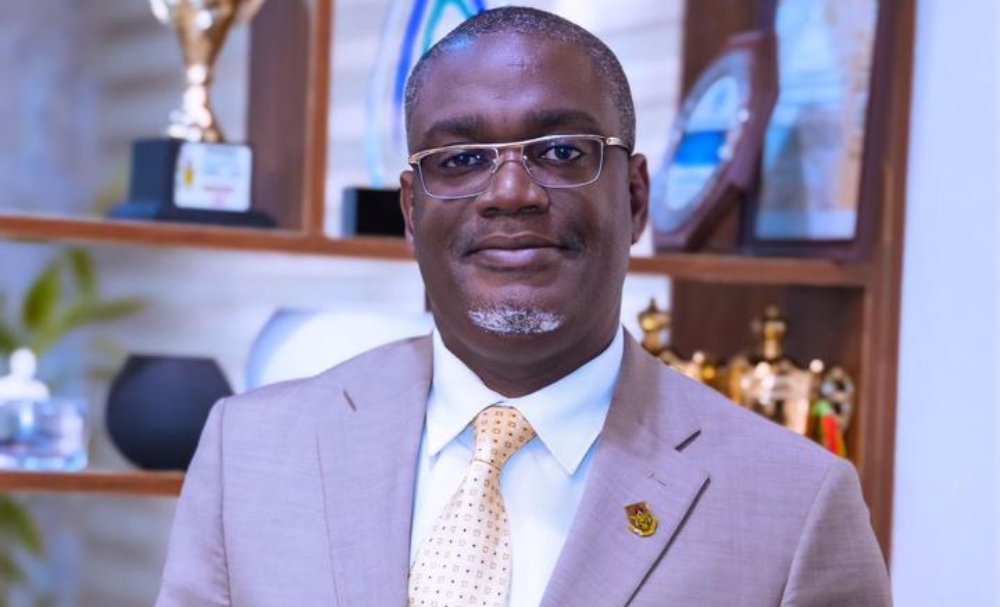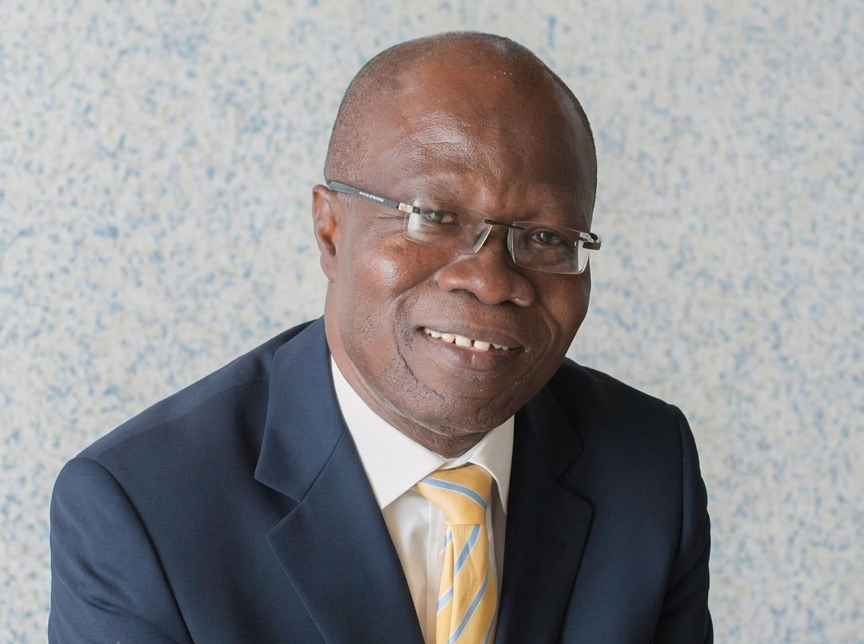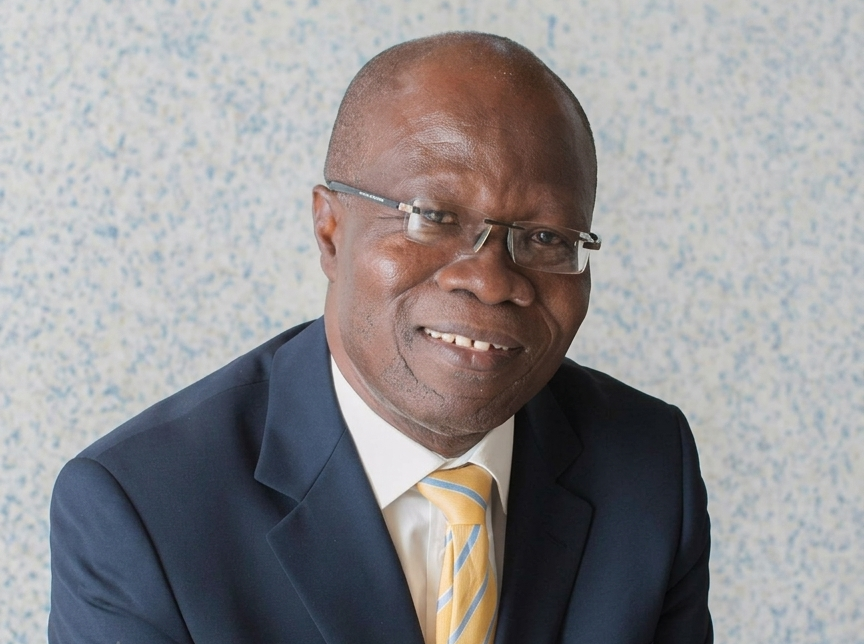
Professor Mark Adom-Asamoah was born on 27 February 1968 in Kumasi. He commenced his primary education in 1974 at Amankwatia Experimental Primary A, completing studies from Class 1 through Class 7. From an early age, he displayed strong leadership qualities, serving as a class prefect from Class 1 and later becoming a school prefect in Class 7.
In 1981, he gained admission to Opoku Ware Senior High School, where he pursued secondary education as a science student from Form One to Form Five. He excelled academically, earning distinction in division one in the WAEC O-Level examinations. He continued his sixth-form education at the same institution in 1986, serving as First Assistant Senior Prefect before undertaking his post A-Level national service at the TI Ahmadiyya Secondary School during the 1988/89 academic year.
He was subsequently admitted to the Kwame Nkrumah University of Science and Technology to pursue a bachelor’s degree in civil engineering in the 1989/90 academic year. During his time at the university, he served as a class representative throughout his studies for both civil engineering and his engineering cohort year group. He was also affiliated with the University Hall (Katanga). Prof. Adom-Asamoah personally views leadership as a calling, similar to a ministry.
Beyond academics, he was an active member of the Ghana Baptist Students Association, where he eventually became the National President. He graduated with a first-class honours degree and was retained as a Teaching Assistant in the Structural Engineering Section of the Civil Engineering Department from 1993 to 1994. He was nominated by the Department of Civil Engineering and received a British Government scholarship to pursue an MSc in Structural Steel Design at Imperial College London. He left for the United Kingdom in September 1994 for the one-year program and, during that period, completed a three-month internship at the Steel Construction Institute in Ascot Berskshire for practical training.
Upon his return to Ghana, he completed an industrial attachment with Tema Steel Company under the guidance of his then Head of Department and Dean of School of Engineering the late Prof NK Kumapley. After a nation-wide university lecturers strike from 1994-1995, he commenced his official lecturing career on 10 November 1995.
In 2000, he was awarded a Commonwealth Scholarship to pursue a PhD at the University of Bristol, UK. He returned to Ghana in February 2005 and was promoted to the rank of a senior lecturer on 1st October 2005. He was appointed the University Structural Consultant in 2006. In 2007, he served for two years as an Exam Officer for the Faculty of Civil and Geomatic Engineering. He was also appointed as the Head of Structural Engineering Section from 2007 to 2012.
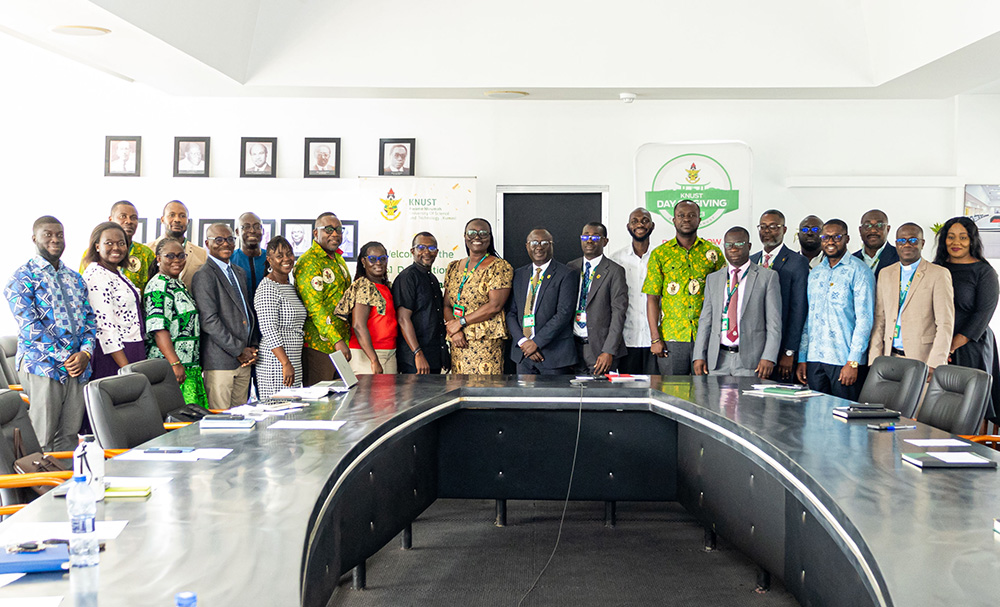
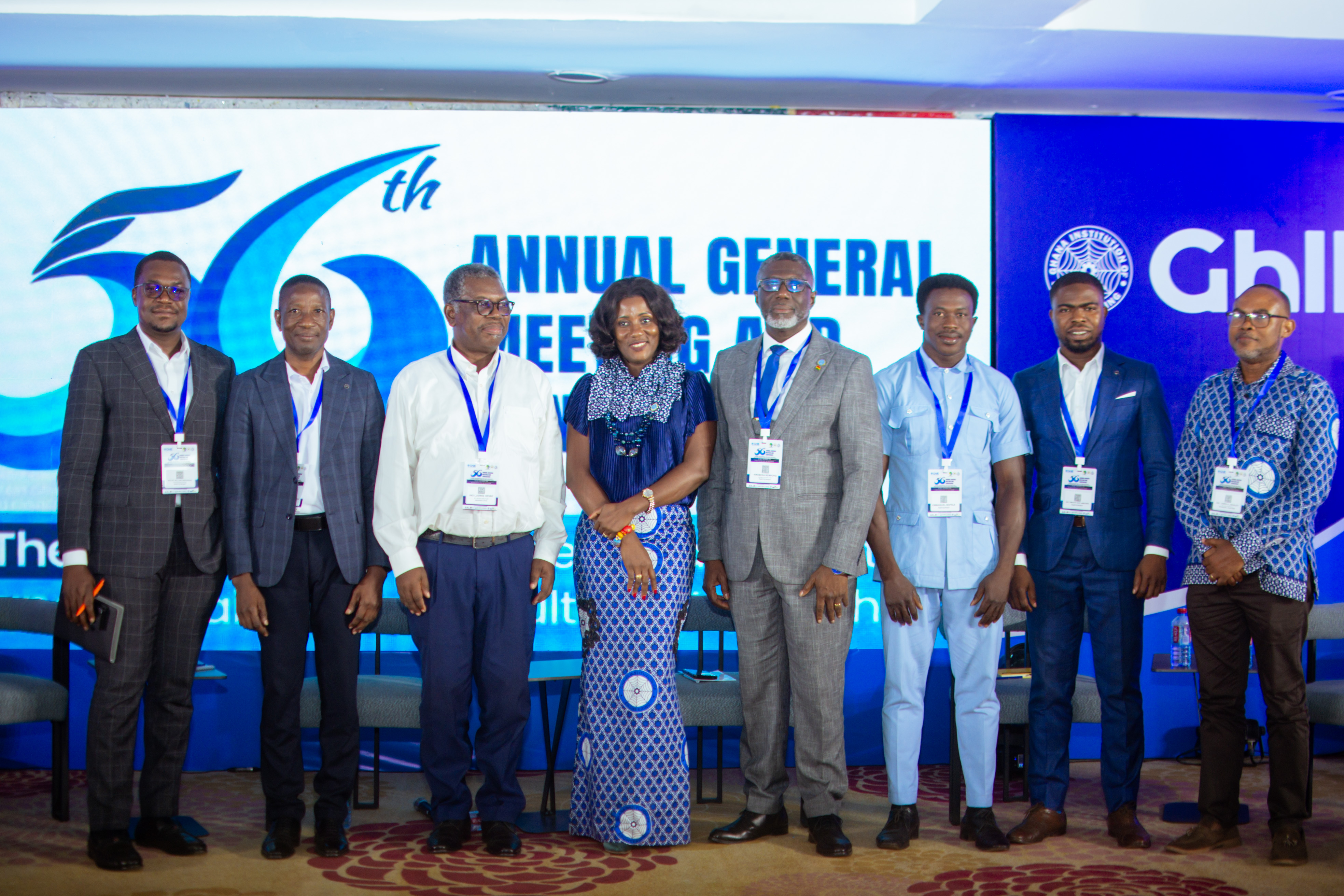
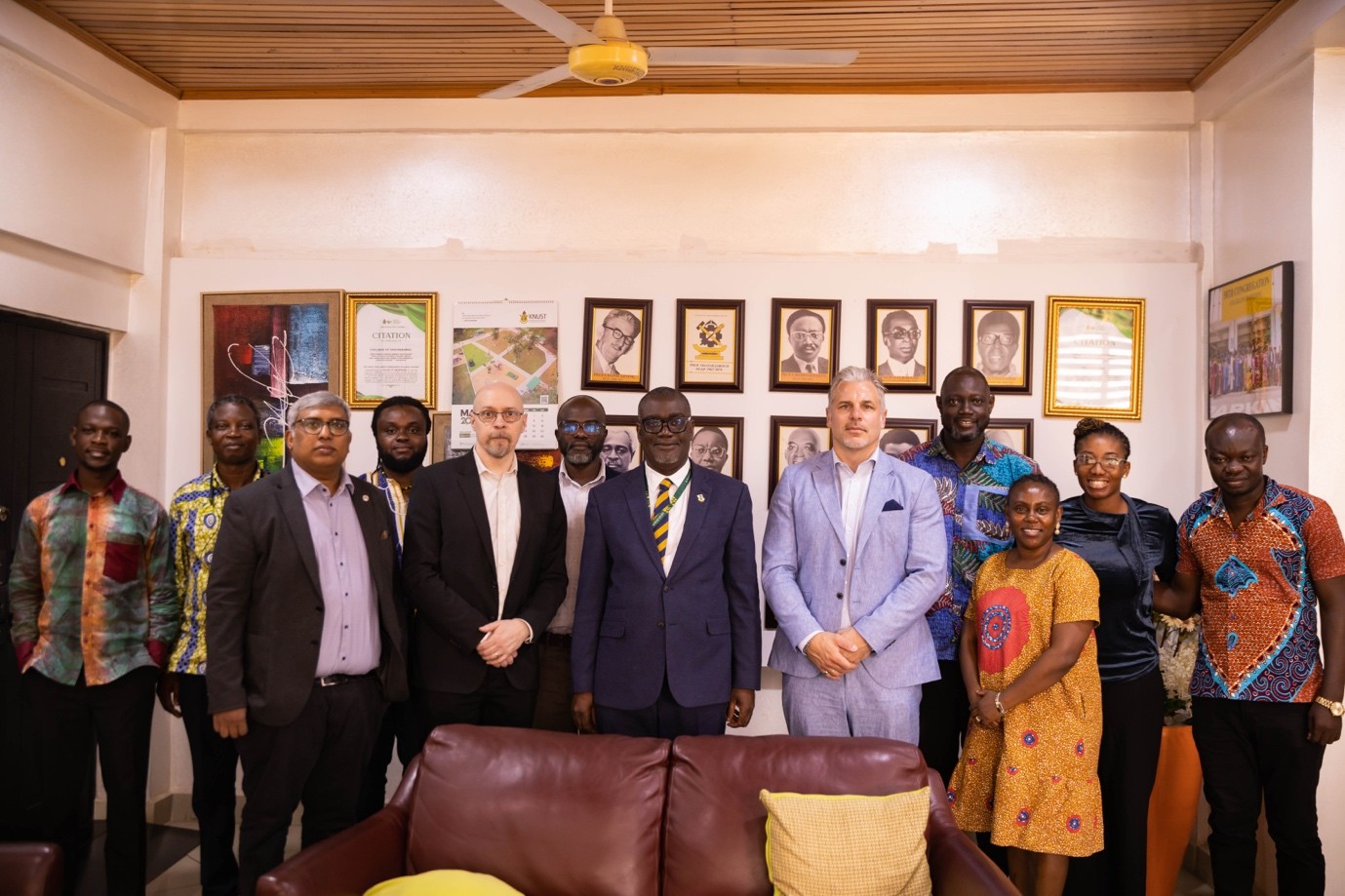
In 2012, he took a one-year sabbatical as a Fulbright Senior Research Fellow at the Georgia Institute of Technology, where he focused on reducing the seismic risks in Ghana. He returned in 2013 and attained the rank of Associate Professor effective 1st October 2012. On 1st August 2015 he was appointed the Head of the Department of Petroleum Engineering. During that year, he was elected Dean of the Faculty of Civil and Geo Engineering, and subsequently, in May 2016, appointed Provost of the College of Engineering. He officially commenced his duties on 1st August 2016, and in 2020, he served as Acting Pro Vice-Chancellor of KNUST. He was a member of the Engineering council governing board and has also served on the governing councils of several tertiary institutions. He is a fellow of the Ghana Institution of Engineering and has been a member of the governing council of the GhIE since 2018.
As Provost, Prof. Adom-Asamoah spearheaded several transformative initiatives in the university. He oversaw the introduction of three additional undergraduate programs: Automobile Engineering, Marine Engineering, and Industrial Engineering. The College also introduced 10 postgraduate programmes and implemented an affirmative action policy to improve female enrolments in the college. This policy contributed to an increase in female student representation from approximately 14–15% to 18–19% which increased the actual female population from about 600 to about 1800.
His tenure also strengthened the college’s research culture by establishing research clusters and setting aside dedicated periods in the timetable for research presentations instead of regular lectures. In addition, he introduced leadership development programmes for all third-year students to help them acquire essential soft skills for life beyond the classroom.
Under his leadership, research groups in the college secured World Bank-supported grants of 17.4 million USD that facilitated the establishment of Africa Centres of Excellence (ACE Impact) to establish these centres; KEEP, RWESCK2 and TRECK. He built on initiatives begun by his predecessor (Prof SIK Ampadu) by deepening collaboration between academia and industry and drawing support from institutions such as the GNPC, VRA amongst others. He also helped transform deanship positions into research chairs by securing VRA funding of the cedi equivalent of 900,000 USD.
By the end of his tenure, the building structures and laboratory infrastructure for RTEP, RWESCK, and KEEP had been completed, while the TRECK building was more than 50 percent complete. Student enrolment in the college grew significantly during this period, rising from approximately 5,500 to 11,000. To support this growth, he facilitated the introduction of the New Engineering Block through a GETFund project worth 35 Million GHS. He also created a student learning area adjacent to the Petroleum Building, giving students a place to settle during short breaks between lectures, and arranged for Vodafone, now Telecel, to renovate the space, now known as VSLA. In addition, he introduced the concept of a Student Innovation Centre where student projects could be showcased to visiting students and guests. He introduced the Needy Student Fund for the College of Engineering in 2017.
Prof. Adom-Asamoah also established the College Endowment Fund, securing donations from organisations such as GNPC, VRA, ECG, Ghana Highway Authority, GRIDCO and Ghana Gas among others, and successfully launched the fund before leaving office. Furthermore, during his tenure, the College set up both the College Industry Advisory Board and the College International Academic Advisory Board, making the College of Engineering the first college in the university to have such structures.
His research journey reflects both scholarly depth and practical adaptability. Although his PhD focused on earthquakes, he was unable to continue extensively in that area upon returning to Ghana because of the lack of access to expensive specialised equipment such as earthquake shaking tables. Rather than remain limited by circumstance, he redirected his work towards research areas better suited to local realities. He believes that the best researcher is the one who can adapt effectively to their environment. He was promoted to the rank of Professor in 2018.
His later research explored local materials and sustainable construction practices, including recycled metals, recycled concrete, bamboo reinforcement, and self-consolidating concrete. He and his research collaborator (Prof CK Kankam) expressed concern about the quality of iron rods produced from recycled metals, noting that when carbon and sulphur levels exceed acceptable standards, the rods become brittle rather than ductile, thereby increasing structural failure risk. His perspective highlights the need for researchers to remain current, responsive, and deliberate in choosing research directions, especially during sabbaticals and other opportunities for professional growth.
Regarding teaching and assessment, Prof. Adom-Asamoah believes that students should be examined primarily on the knowledge and competencies they truly need in professional practice. In his view, assessment should emphasise essential and applicable learning outcomes rather than peripheral details that may not be useful beyond the classroom setting.
Beyond the university, he has shared thoughtful reflections on family life and personal balance. He observed that many men often hide behind work and fail to participate meaningfully in their children’s growth. Even during his time as Provost, he made it a priority to take his children to school each morning, using the drive as a time for devotion and for quiet reflection. During his sabbatical at Georgia Institute of Technology in Atalanta in 2012/13 academic year, he travelled with his wife and children, stressing the importance of prioritising family despite public opinion or professional pressures. He has consistently encouraged men to support the growth and progress of their wives’ professions and intentionally create time for family life.
Prof. Adom-Asamoah is also deeply passionate about STEM education in Ghana. After his tenure as Provost, he served on secondment from the university as the STEM Policy Advisor at the Ministry of Education from 2023-2024. Drawing from his experience in policy discussions around STEM and education, he expressed concern about the low proportion of students pursuing science in senior high schools. In his view, this is inadequate for a developing nation and calls for deliberate interventions. He believes that universities, professional associations, and educators must engage more actively with basic and secondary schools by organising outreach, workshops, and science advocacy programmes. He views science as a crucial factor in advancing national progress, believing that scientific training offers highly adaptable skills for future needs.
He consistently emphasizes the value of reading biographies, learning from the experiences of others, and avoiding envy. He advises that positions and opportunities are granted by grace and encourages individuals to appreciate the success of others rather than become preoccupied with it. His concluding message underscores the significance of faith, humility, and purpose: trust in a higher power, maintain focus, and find contentment along your designated path.