At Kwame Nkrumah University of Science and Technology, Kumasi, a cluster of engineering projects is targeting persistent challenges in healthcare, agriculture and mobility across low-resource settings.
Showcased to mark World Innovation and Creativity Day, the innovations emerging from the College of Engineering reflect a focus on practical, locally adaptable solutions.
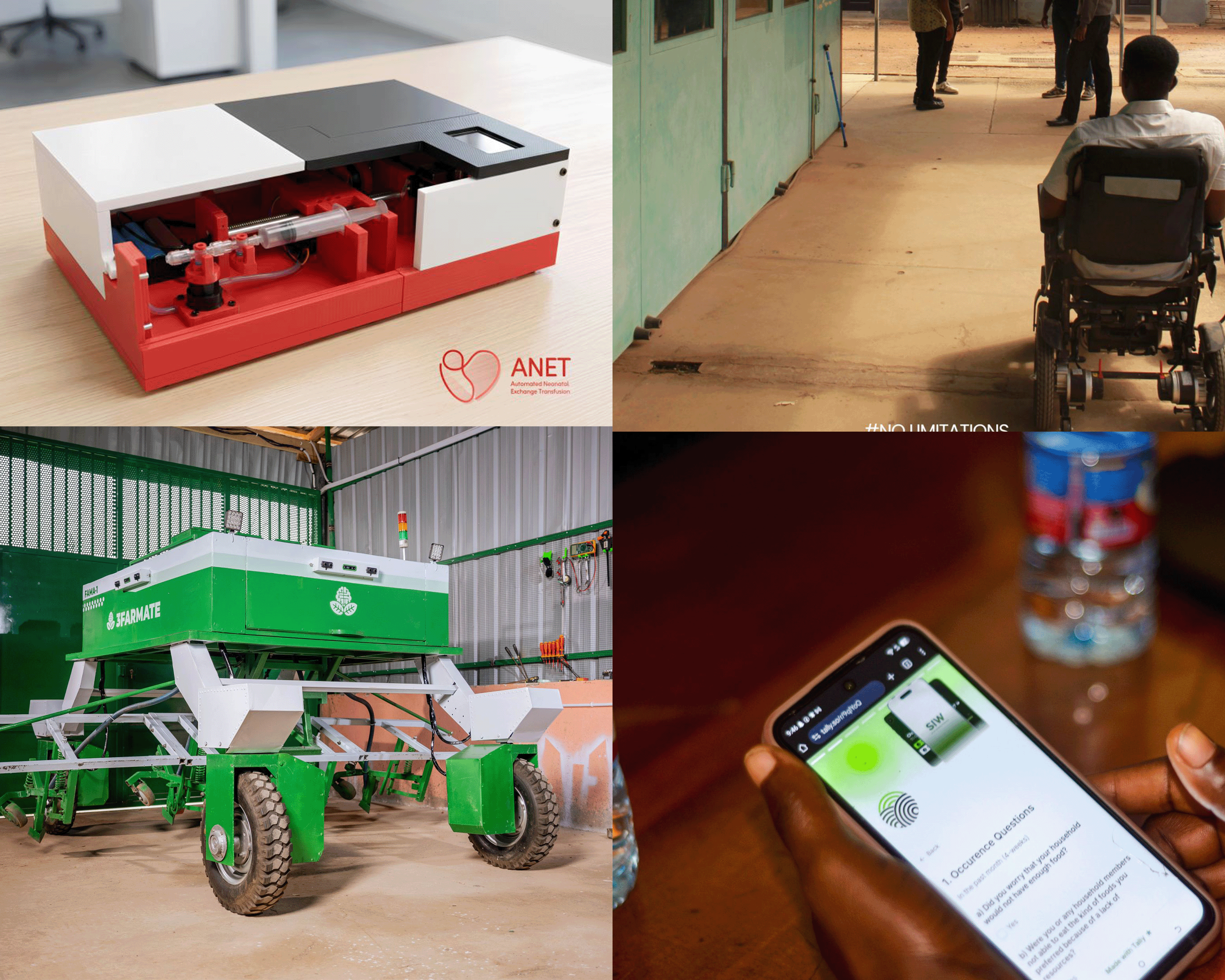
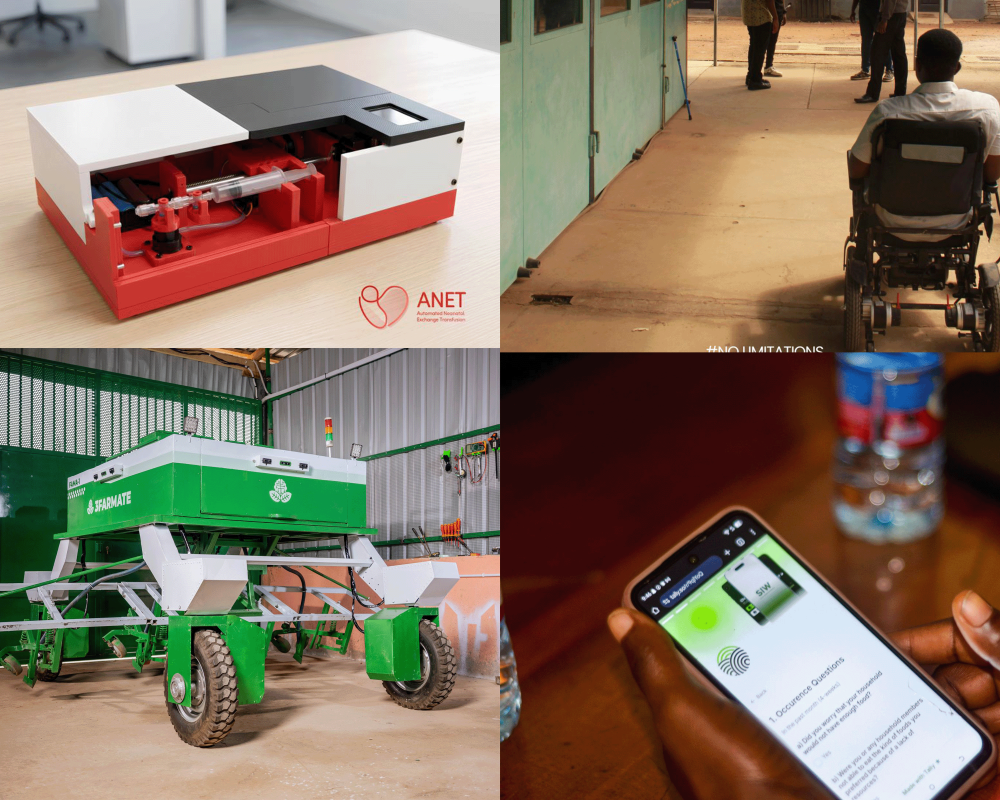
At the Distributed IoT Platforms, Privacy, and Edge-Intelligence Research Lab (DIPPER Lab), engineers are developing an Automated Neonatal Exchange Transfusion (ANET) device to treat severe neonatal jaundice, or Hyperbilirubinemia.
The condition remains a leading cause of preventable newborn deaths in many parts of Africa, where access to specialised care is limited. The device is being designed as an affordable, automated system that can be produced locally and used safely in constrained clinical environments.
In agriculture, researchers are combining modern forecasting with traditional knowledge.
The Smart Indigenous Weather App (SIWA), developed with the Ghana Meteorological Agency, provides localised weather forecasts alongside indigenous indicators used by farming communities. The approach reflects findings that many smallholder farmers continue to rely on traditional methods, often due to limited access to formal meteorological data.
Another project, FAMA, is an autonomous farming robot developed by 3Farmate Robotics. Originally a student-led initiative, it has evolved into a solar-powered system capable of planting, weeding and fertilising. Instead of GPS navigation, it uses artificial intelligence and computer vision to operate under varying terrain conditions typical of African farms.
In assistive technology, AutoEase, a startup incubated at the College’s Innovation Centre, is developing electric wheelchairs designed for rough and unpaved surfaces. The aim is to improve mobility for users in environments where standard wheelchair designs often struggle.
Together, the projects point to a shift towards context-driven engineering, where solutions are built around local realities rather than adapted from elsewhere.
Story: Belinda Opoku Danso