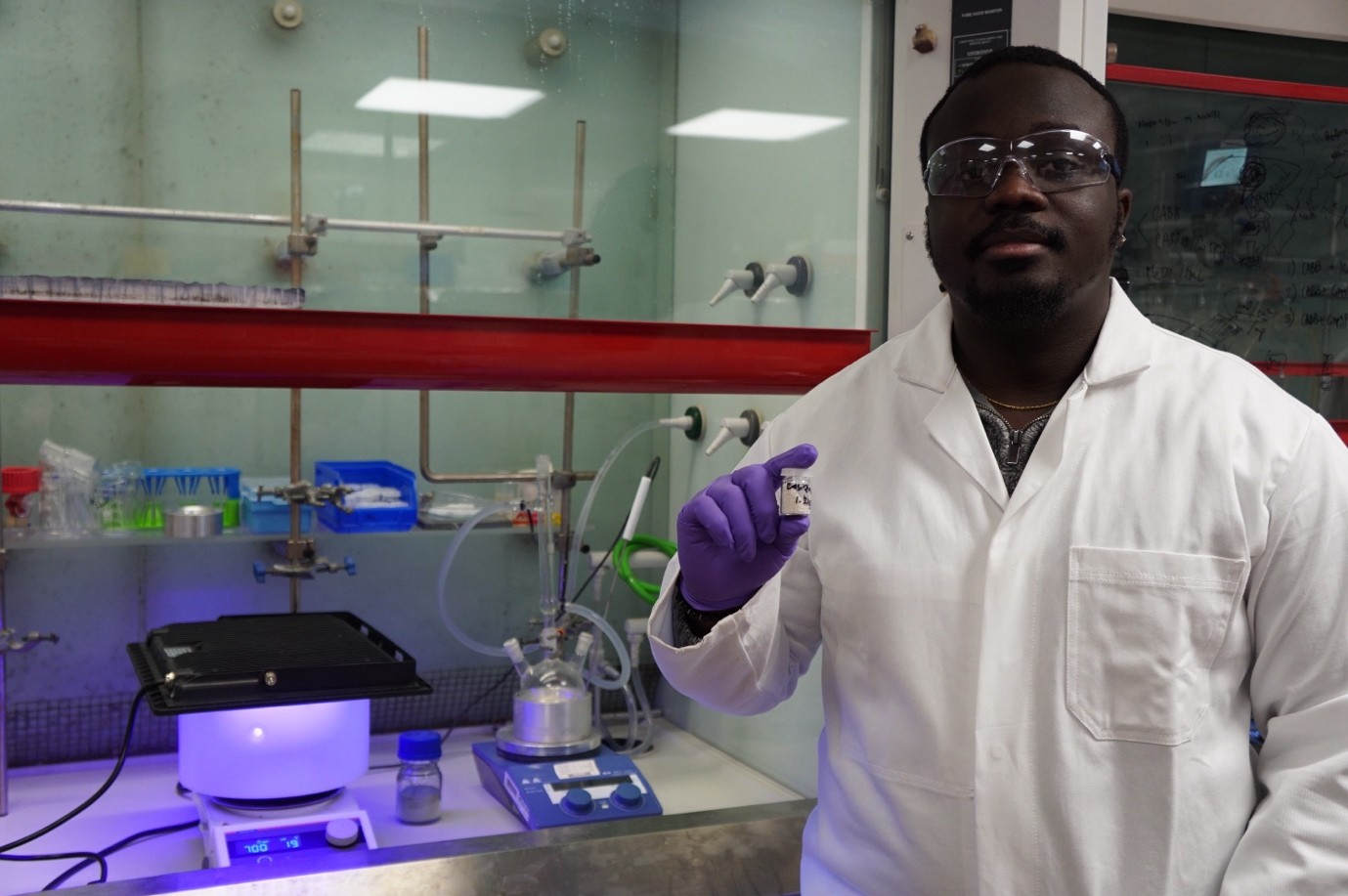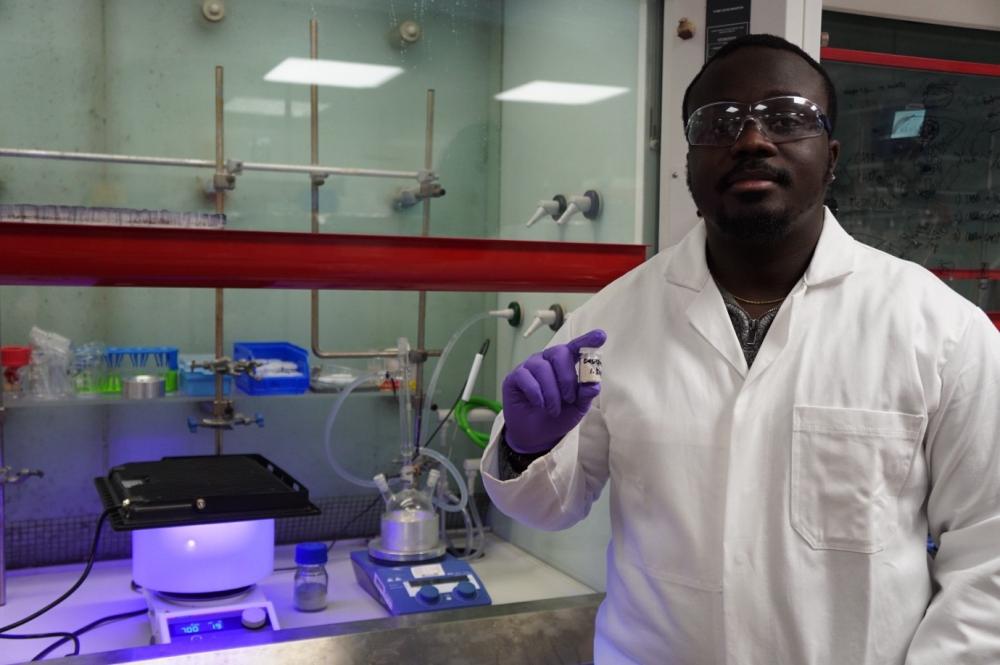
The College of Engineering at Kwame Nkrumah University of Science and Technology proudly celebrates Kay (Papa) Kwarteng, a distinguished alumnus of the Class of 2019 who is now a Research Associate at the University of Cambridge following the completion of his PhD.
Kwarteng, graduated from KNUST with a degree in Chemical Engineering, distinguished himself during his undergraduate years as a three-time recipient of the Provost’s Excellent Student Award. He also completed his final-year thesis under the supervision of Dr Patrick Boakye, with whom he continues to engage on sustainable energy solutions, particularly hydrogen technologies.
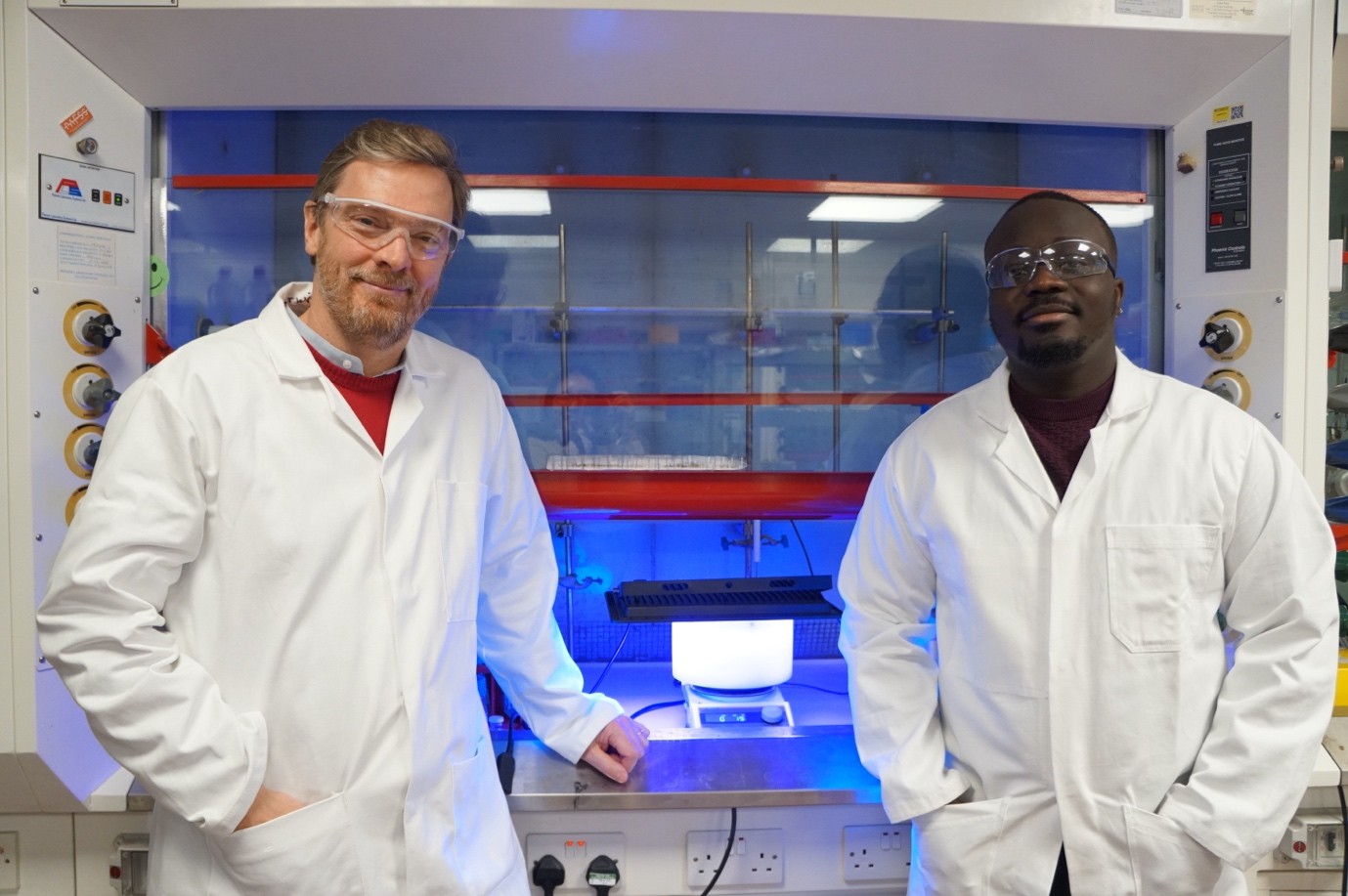
He has completed his doctoral studies at the University of Cambridge under the supervision of Professor Erwin Reisner in the Yusuf Hamied Department of Chemistry. During his PhD, he pioneered plastic upcycling under acidic conditions and developed a photocatalyst that was central to the work. His research enabled the solar-powered conversion of hard-to-recycle plastic waste into clean hydrogen fuel and valuable industrial chemicals, representing a major advance in plastic waste-to-energy technologies.
The innovative system combines solar energy with acid recovered from used lead-acid car batteries to break down plastics such as polyethylene terephthalate (PET), nylon textiles, and polyurethane foams. This approach not only addresses the growing challenge of plastic waste, but also creates a sustainable pathway for hydrogen production, supporting the transition to cleaner energy systems.
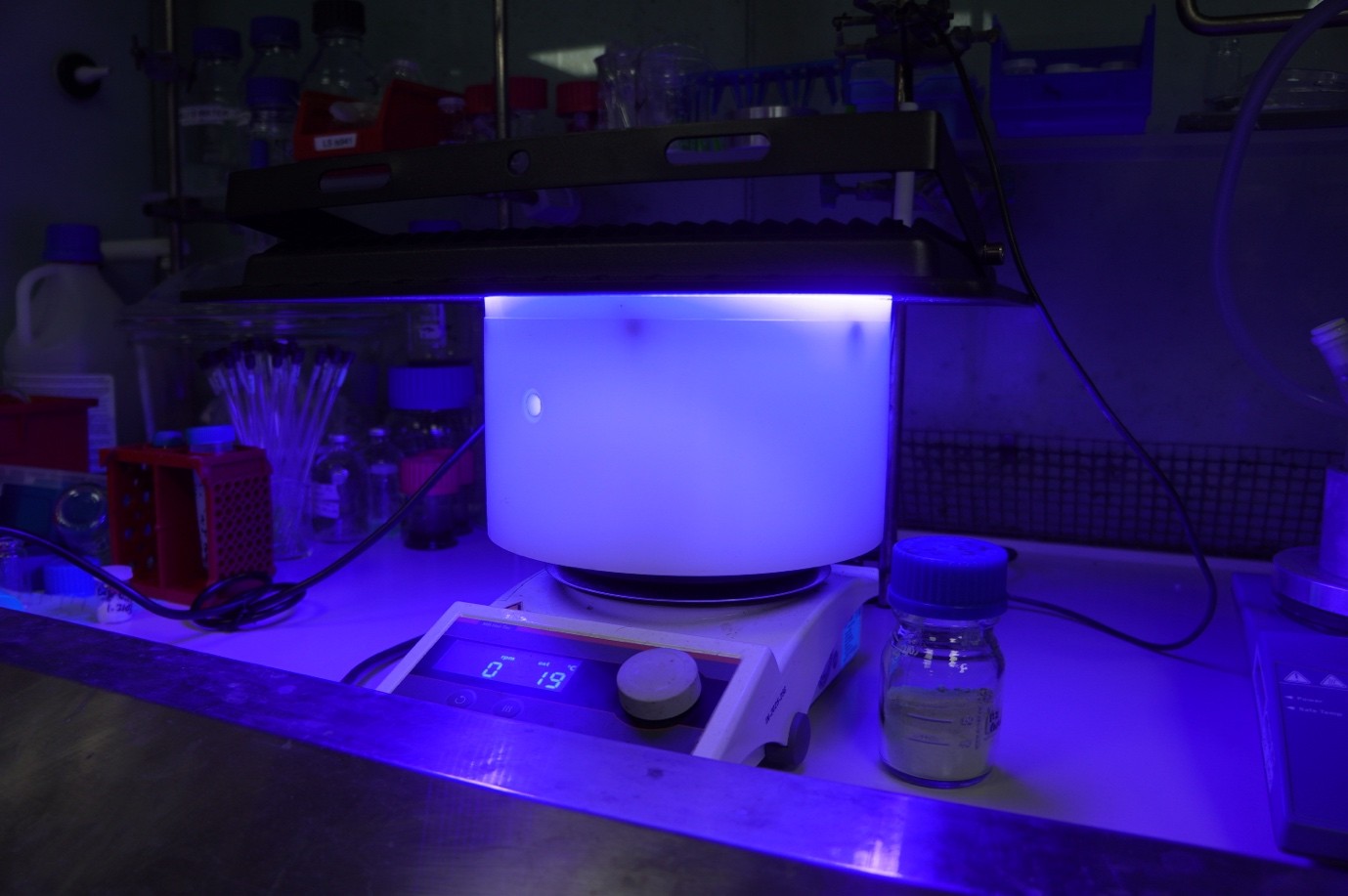
A key feature of Kwarteng’s work is the development of a noble metal-free photocatalyst capable of withstanding acidic conditions while maintaining efficient chemical conversion. The process, known as solar-powered acid photoreforming, demonstrated promising performance in laboratory tests, including high hydrogen yields and sustained operational stability.
Reflecting on the circularity of the discovery, Kwarteng said: “If we can collect the waste battery acid before it’s neutralised, we can use it again and again to break down plastics. It’s a real win-win, avoiding the environmental cost of neutralising waste acid while putting it to work generating clean hydrogen from waste plastics.”
This pioneering research highlights the potential of integrating multiple waste streams into circular systems, where one form of waste becomes a resource for another. Although the technology is not intended to replace conventional recycling methods, it offers a powerful complementary solution for processing mixed and contaminated plastics that are currently difficult to recycle.
The findings were published in the journal Joule, marking an important milestone in sustainable materials processing and renewable energy generation.
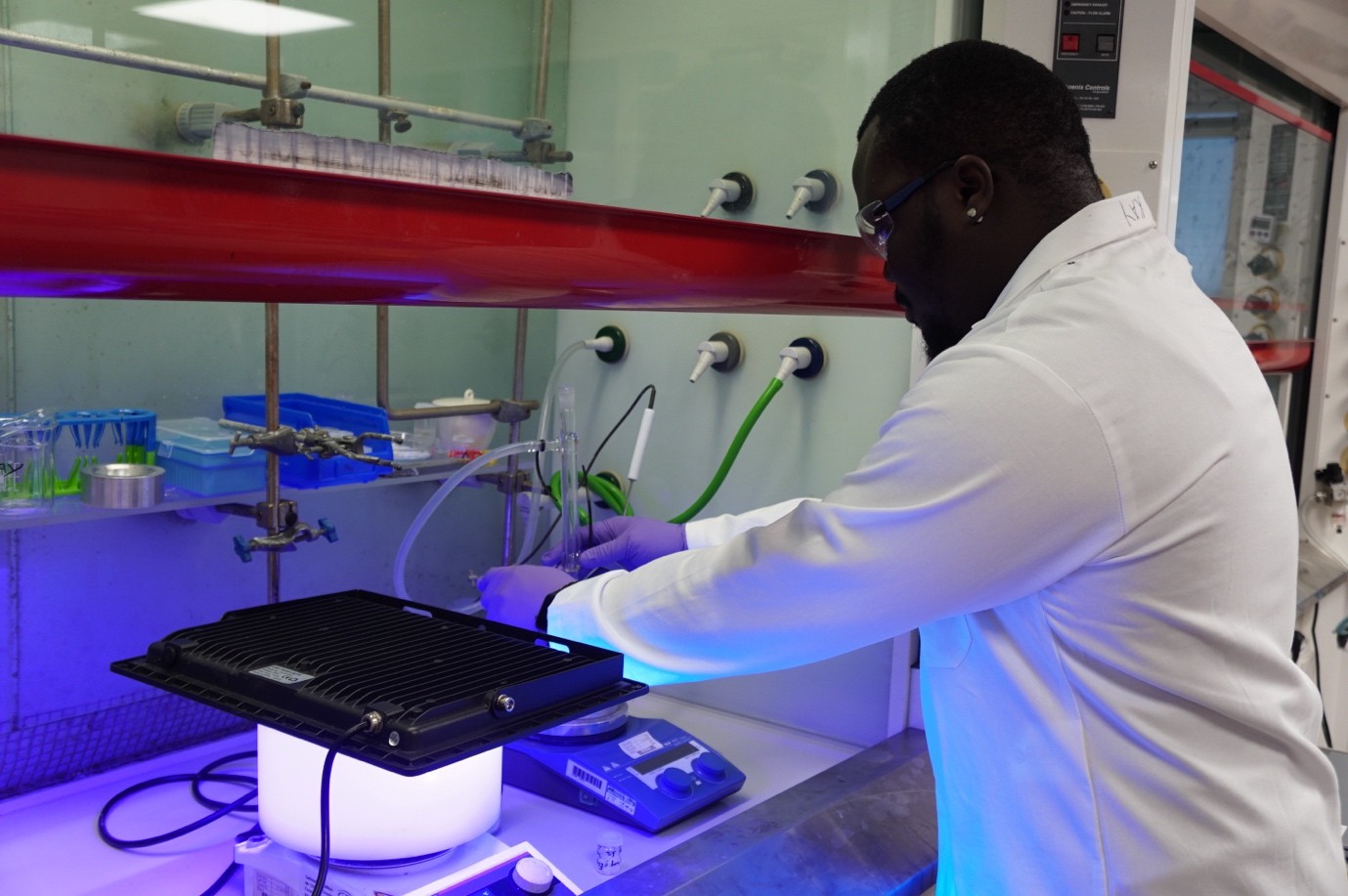
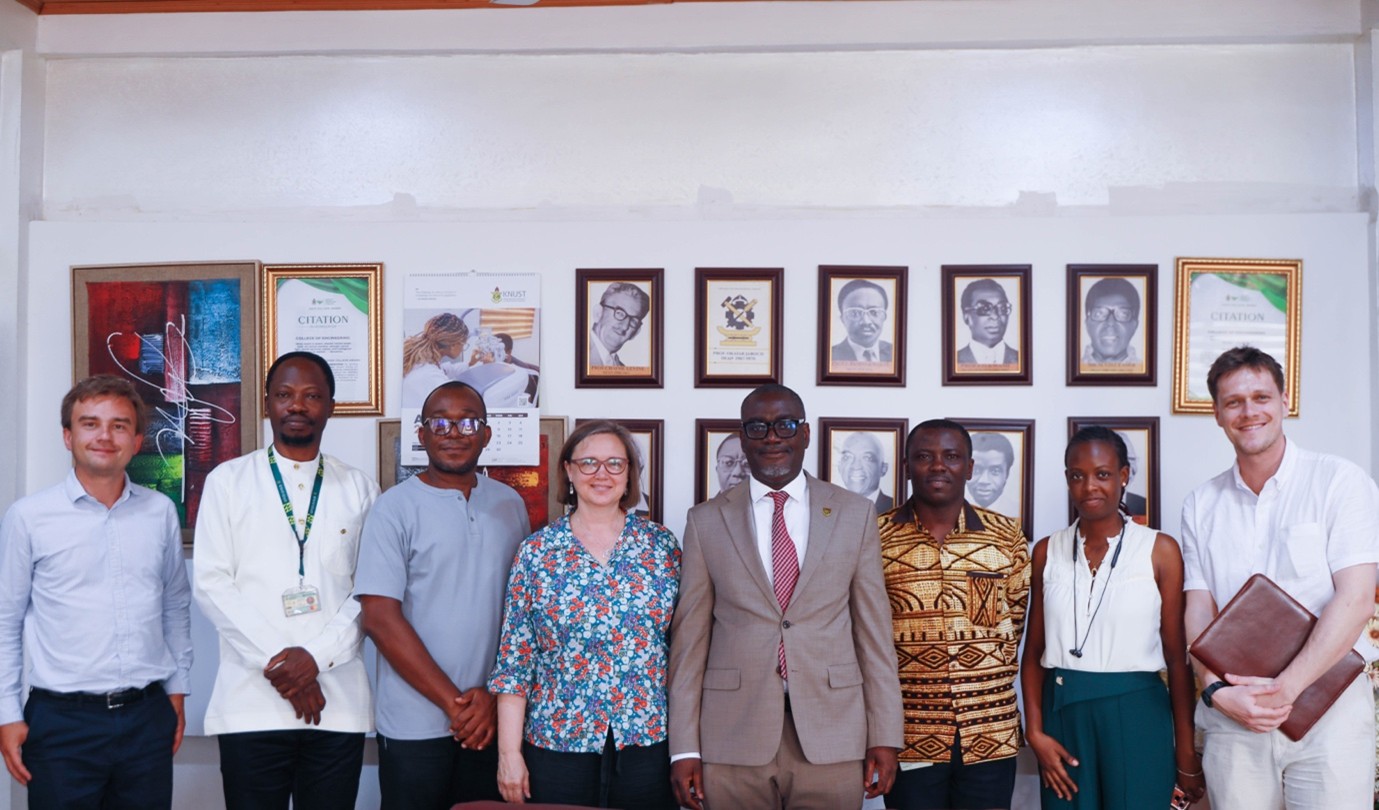
KNUST takes immense pride in Kwarteng’s accomplishments, which reflect the university’s commitment to excellence, innovation, and global impact. His work continues to inspire the next generation of engineers to pursue solutions to urgent environmental and energy challenges, particularly in Ghana and across the African continent.