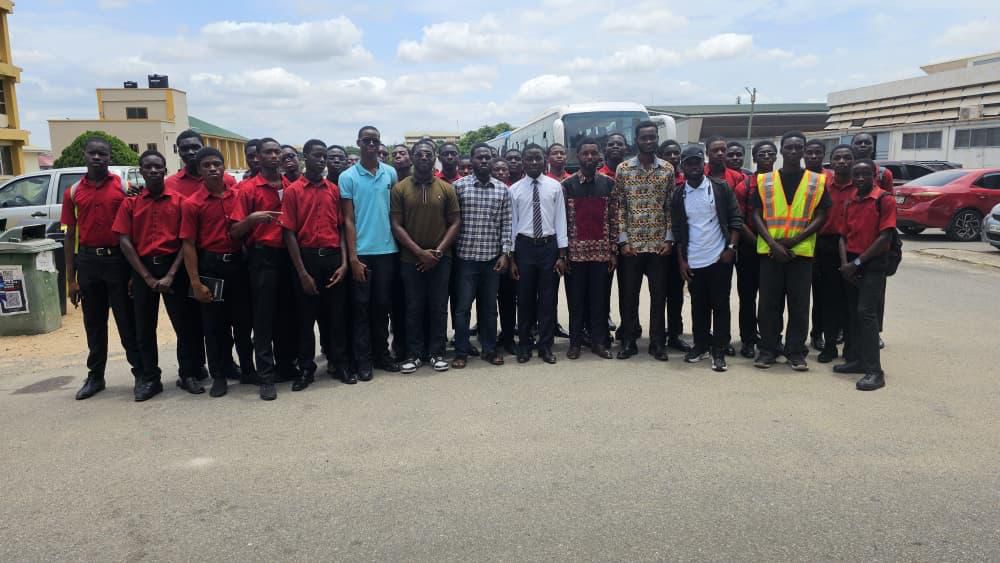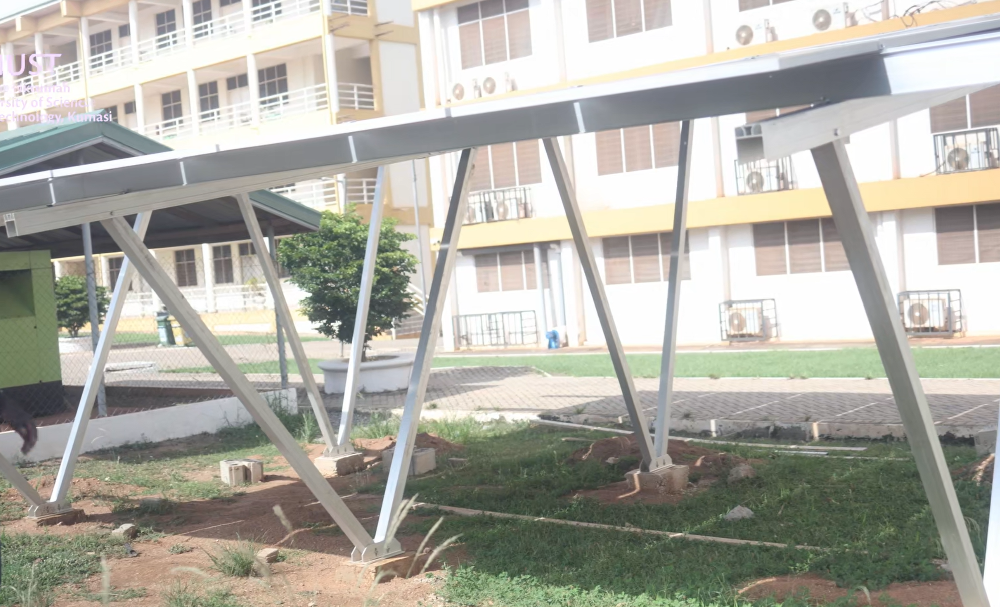
The West African Science Service Centre on Climate Change and Adapted Land Use (WASCAL) at KNUST College of Engineering embarked on an academic field trip to the WASCAL Competence Centre (CoC) in Ouagadougou, Burkina Faso. The study tour formed a key component of the Centre’s experiential learning framework for its postgraduate students.
Fourteen (14) students from the sixth batch of the programme, representing various West African countries, participated in the tour. They were accompanied by the Scientific Coordinator, Dr. William Amponsah and the Office Manager, Dr. Ernestina Annan. The primary objectives were to familiarise students with the research infrastructure and data repositories at the CoC and to observe practical applications of climate, land-use, and agricultural research along the route to Ouagadougou.
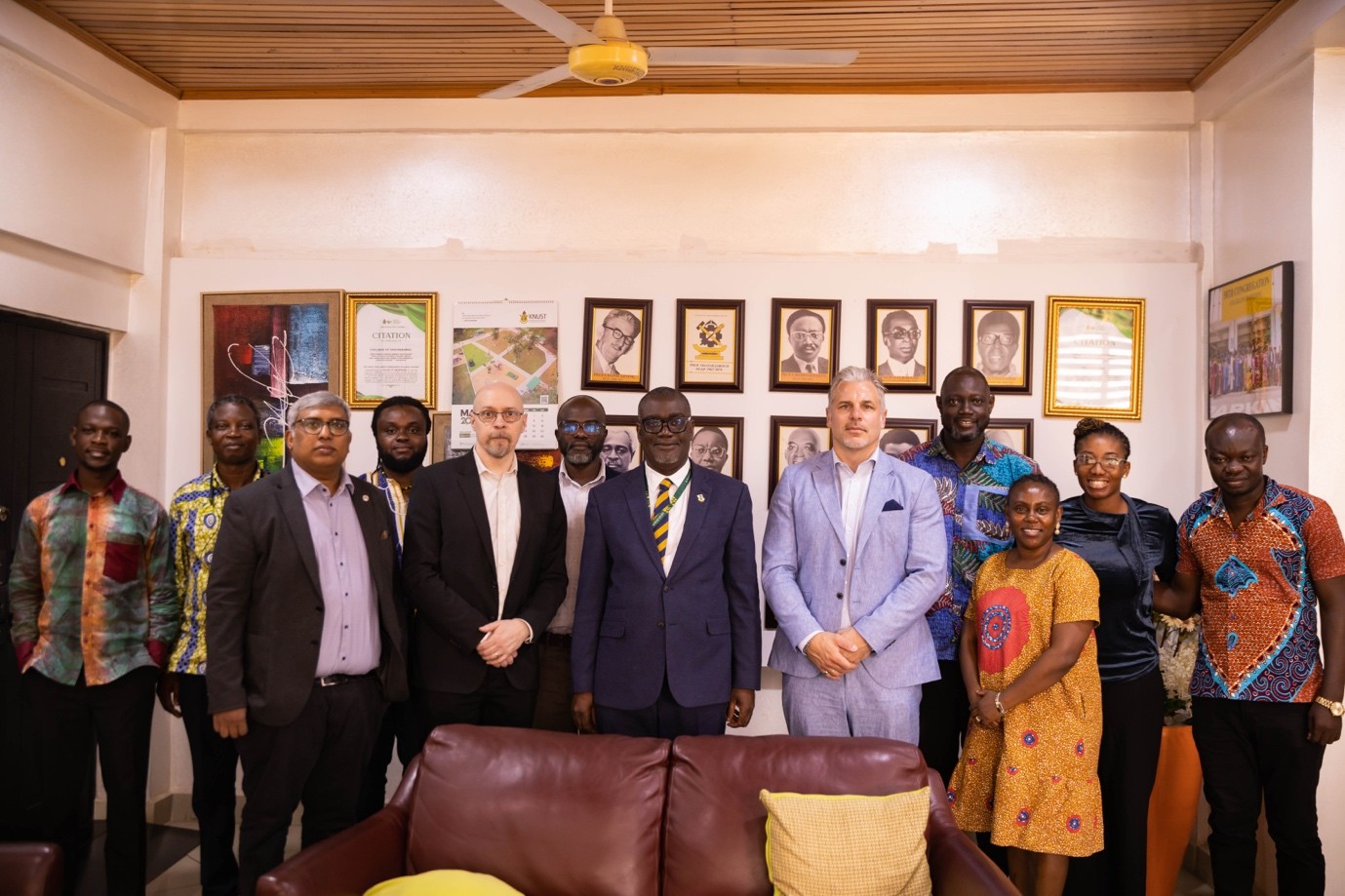
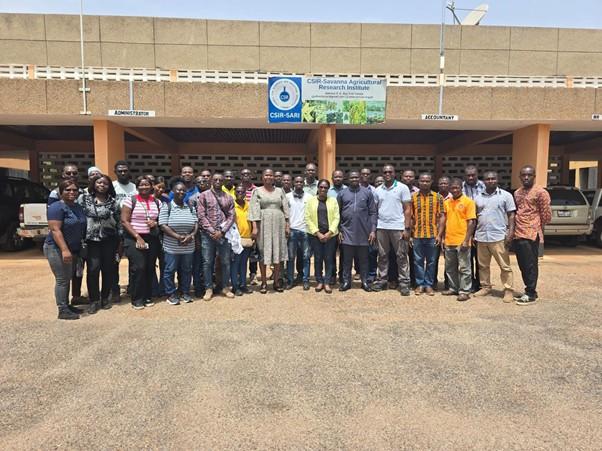
The delegation visited the CSIR-Savanna Agricultural Research Institute (SARI) in Tamale, Ghana, and was warmly received by the Institute’s Director, Dr Francis Kusi, the Deputy Director, Dr Joseph Adjebeng-Danquah, and other senior staff.
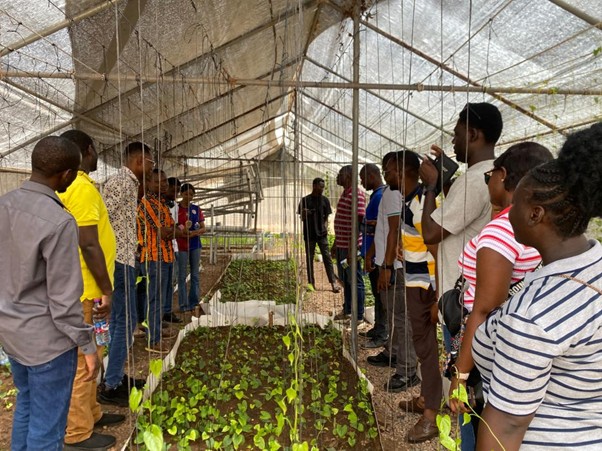
Following formal introductions, Dr. Adjebeng-Danquah delivered a technical presentation highlighting SARI’s contributions to crop and land management research in Northern Ghana. Key focus areas included enhancing resilience to pests and diseases, climate adaptation strategies, and improving food security through the development of improved crop varieties. The team also toured SARI’s laboratories and screen-house facilities, where ongoing research on yam breeding, Fonio cultivation, and tomato production was demonstrated.
The tour proceeded to a WASCAL climate research station in Bolgatanga, part of a network of stations within the Vea Research Basin under the WASCAL Competence Centre. Dr. Guug Samuel, Coordinator for basin research data collection and management, guided the delegation through the operations of the Eddy Covariance (EC) tower station. This tower measures vertical fluxes of key greenhouse gases (GHGs)—including carbon dioxide, methane, and water vapour—between the land surface and the atmosphere over a degraded land area in Bongo in the Upper East Region of Ghana.
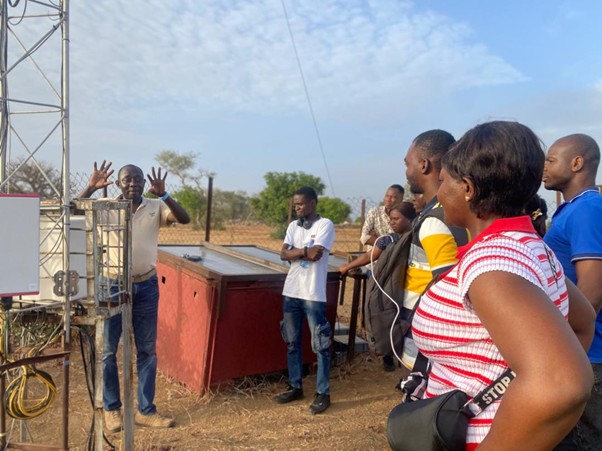
Students learned that the EC tower captures data within a footprint of approximately 500 metres radius. Dr Guug further explained that additional stations have been established across other land-use types, such as forest and cropland systems, to enable comparative analysis of GHG fluxes across different landscapes and seasonal weather patterns.
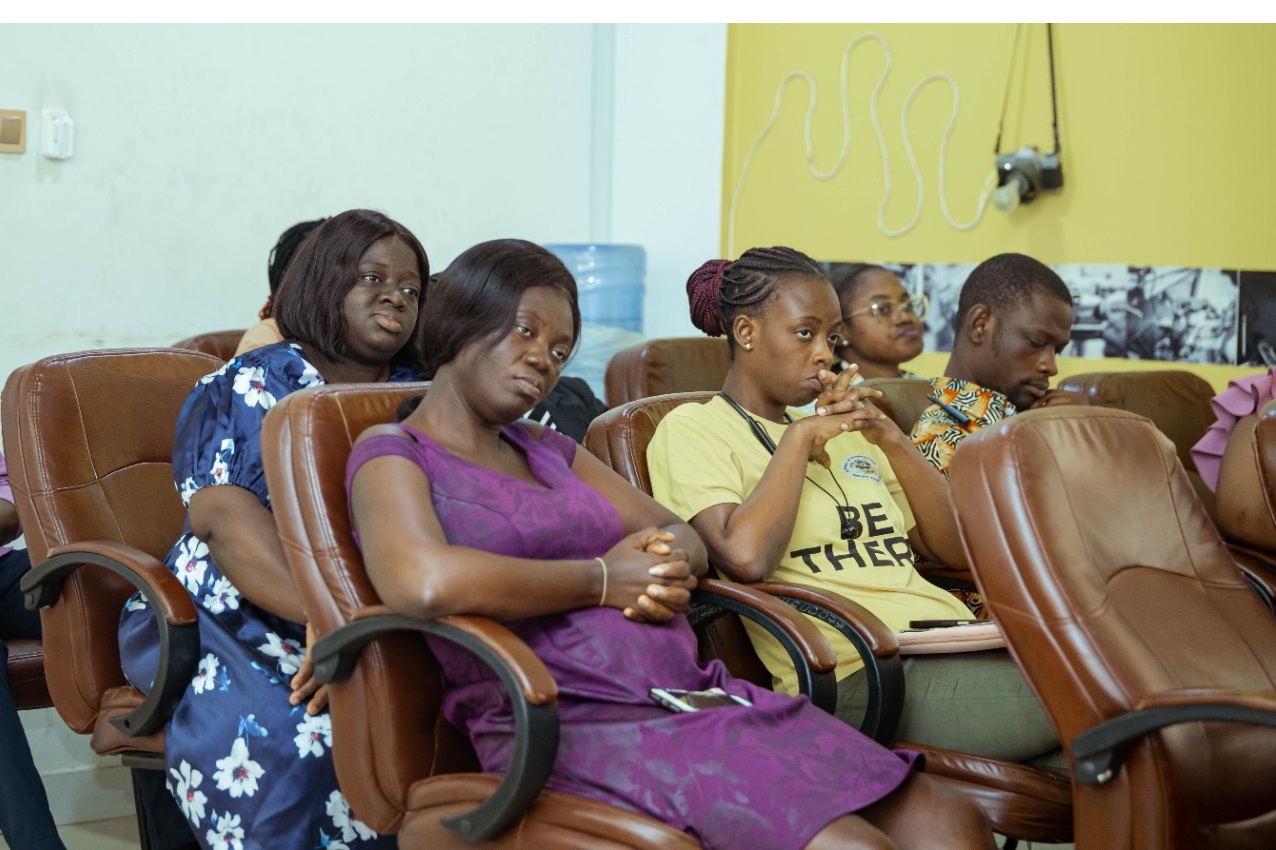
Upon arrival in Ouagadougou, the team was received by Dr Kwame Hackman, a Senior Research Scholar at the WASCAL CoC. There was an interactive academic session, during which the students presented their thesis research proposals. The presentations received constructive feedback from researchers at the CoC, providing valuable scholarly input to refine their ongoing work.
The team visited Mole National Park, a site that exemplifies the complex interactions between land use, wildlife, climate, and anthropogenic activities. This provided a complementary, real-world perspective on ecosystem dynamics and conservation challenges.