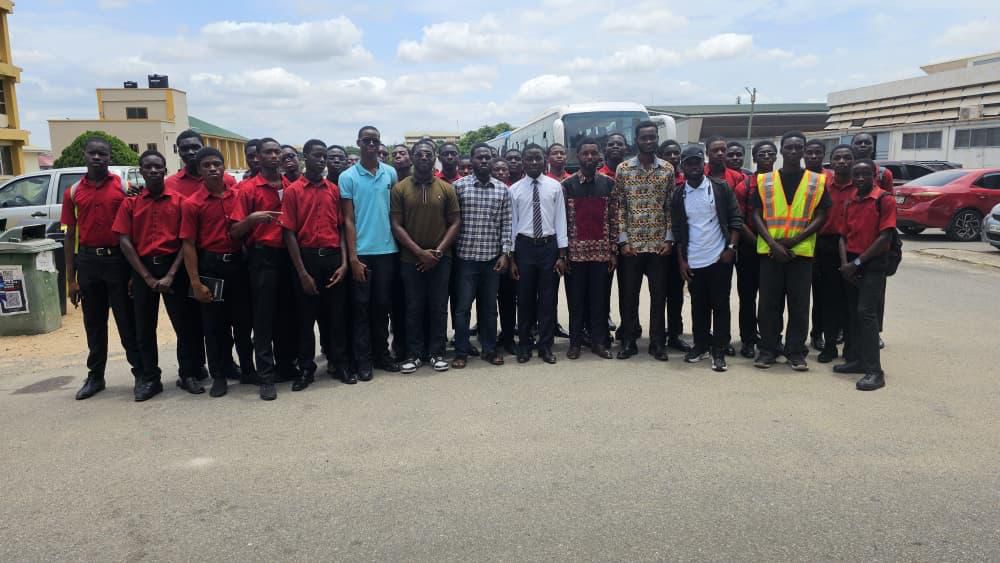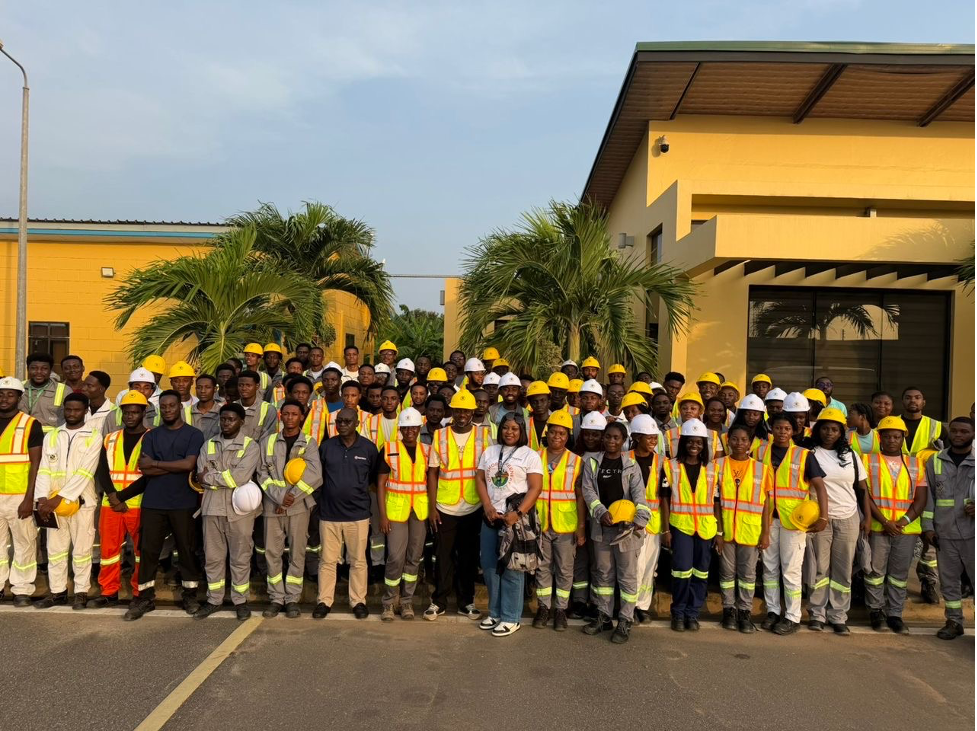
The final-year Petroleum Engineering students embarked on an enriching and insightful field trip to Takoradi from the 3rd to the 5th of March, 2026. The primary objective of the trip was to bridge the gap between theoretical knowledge acquired in the classroom and practical applications within Ghana’s oil and gas industry. This academic excursion formed a crucial part of the students’ training, exposing them to real-world operations, modern technologies, and industry best practices.
During the trip, the students visited several key industry players and strategic facilities that play vital roles in Ghana’s petroleum value chain. These included the Takoradi Distribution Station (TDS), the Sekondi Regulating and Metering Station (SRMS), the Ghana National Gas Processing Plant in Atuabo, MODEC Production Services Ghana Ltd, and the Port of Takoradi. Each location offered a unique perspective into different stages of petroleum production, processing, distribution, and export.
At the Takoradi Distribution Station (TDS), students were introduced to the processes involved in fuel storage and distribution. They observed how refined petroleum products are received, stored in large-capacity tanks, and safely dispatched to various destinations across the country. The importance of safety protocols, environmental protection measures, and operational efficiency was strongly emphasized.
The visit to the Sekondi Regulating and Metering Station (SRMS) provided students with an in-depth understanding of gas regulation and metering systems. Industry professionals explained how natural gas pressure is controlled and measured before distribution to power plants and industrial users. This session highlighted the critical role of accuracy and reliability in ensuring a stable energy supply.
One of the major highlights of the trip was the tour of the Ghana National Gas Processing Plant in Atuabo. Here, students gained firsthand experience of how raw natural gas is processed into usable products such as lean gas, liquefied petroleum gas (LPG), and condensates. The scale of operations, the complexity of the processing systems, and the integration of advanced technologies left a lasting impression on the students.
The visit to MODEC Production Services Ghana Ltd exposed students to offshore production operations. They learned about Floating Production Storage and Offloading (FPSO) systems, which are essential in Ghana’s offshore oil production. Engineers shared insights into daily operations, maintenance practices, and the challenges associated with offshore environments.
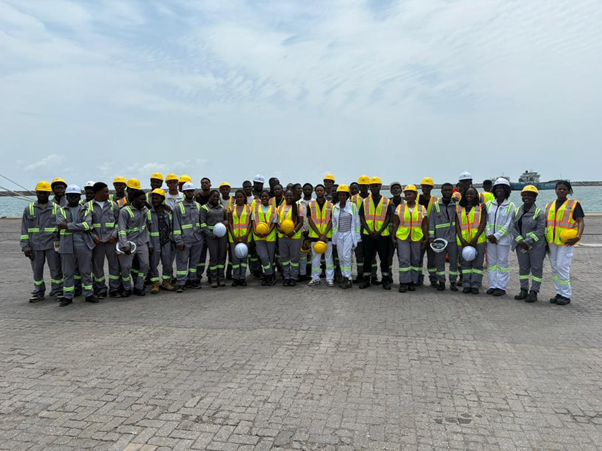
At the Port of Takoradi, students observed the logistical and export aspects of the petroleum industry. They were introduced to how equipment, crude oil, and other resources are transported, handled, and shipped. The port visit underscored the importance of efficient supply chain management in the oil and gas sector.
Throughout the trip, students engaged in interactive sessions with experienced engineers and industry professionals. These interactions provided valuable insights into career pathways, industry expectations, and the skills required to thrive in the petroleum sector. Students were encouraged to ask questions, share ideas, and learn from real-life experiences shared by professionals.
In addition to the technical knowledge gained, the field trip also fostered teamwork, networking, and professional development. Students had the opportunity to connect with peers, lecturers, and industry experts, building relationships that could be beneficial for future careers.
Overall, the field trip to Takoradi was an invaluable learning experience. It not only deepened the students’ understanding of the petroleum industry but also inspired them to pursue excellence in their academic and professional journeys. The exposure to real-world operations, combined with the knowledge gained from industry experts, has equipped the students with a stronger foundation as they prepare to transition into the workforce.