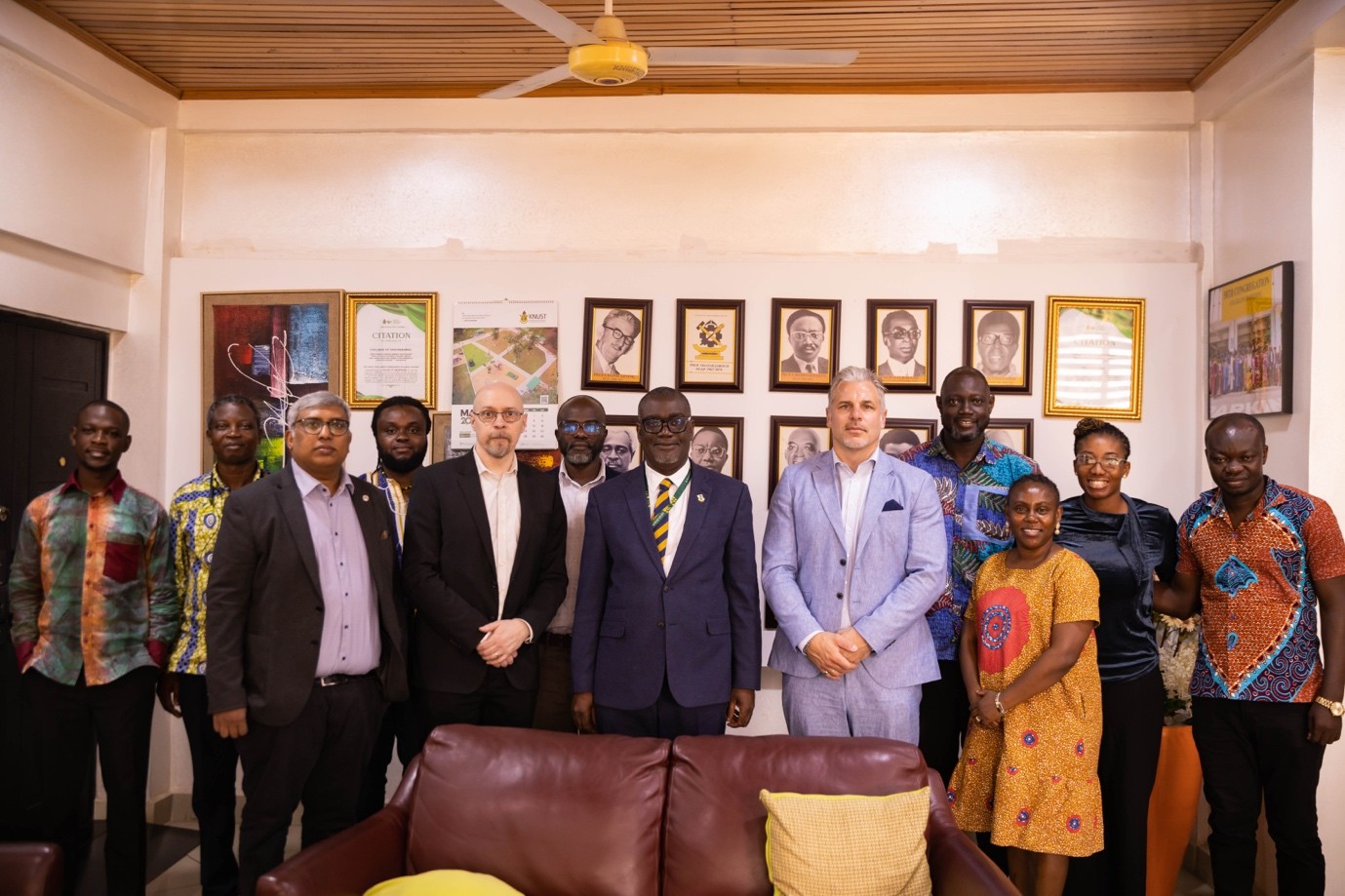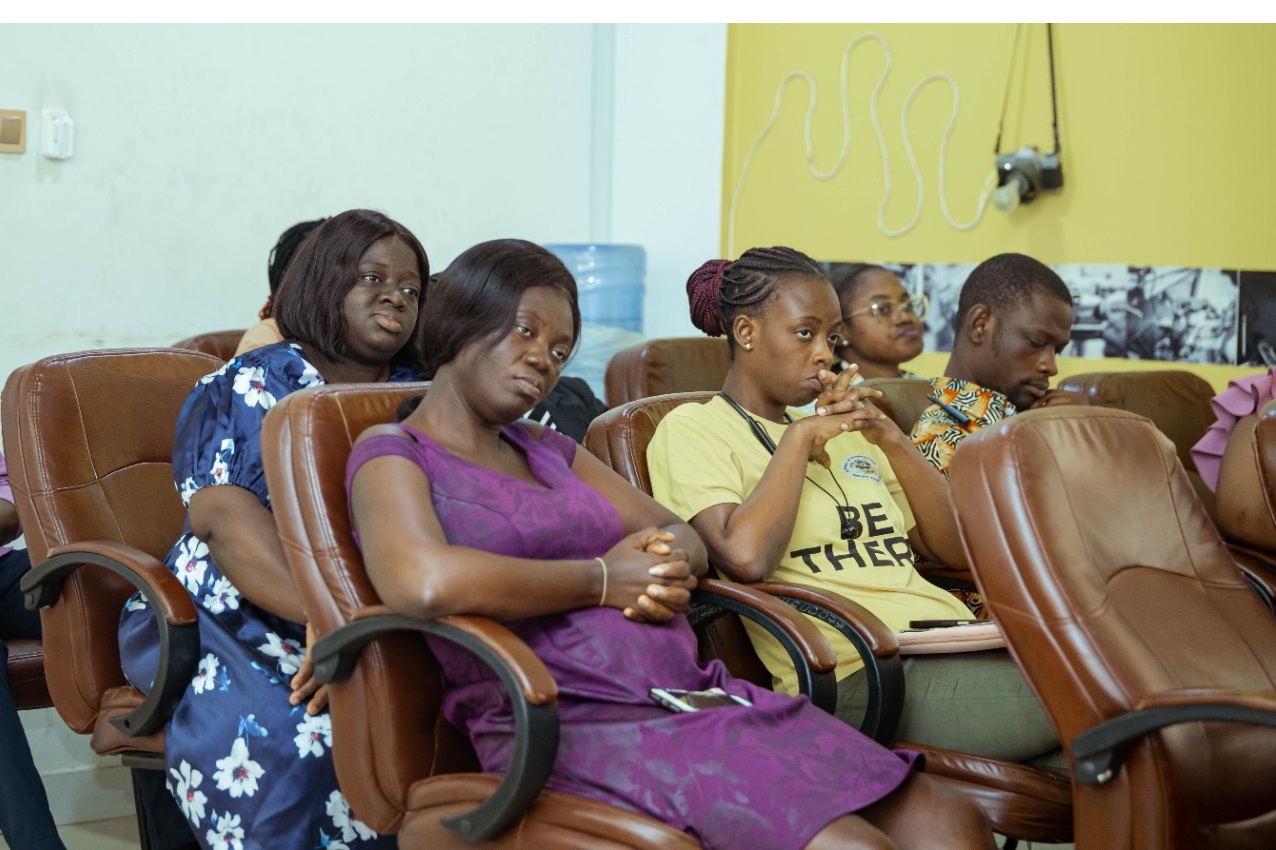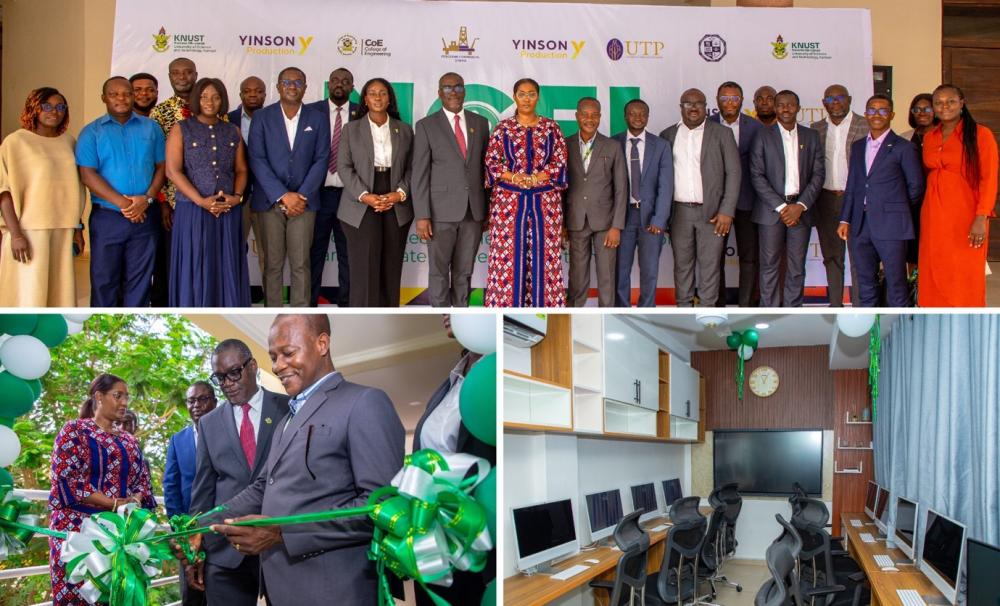
The KNUST College of Engineering, in partnership with Yinson Production West Africa Limited and the Petroleum Commission, has officially commissioned Ghana’s first specialised Net-Zero Carbon Emission Lab (NCEL). Housed within the College of Engineering, the NCEL is a state-of-the-art centre dedicated to scientific carbon measurement, emissions modelling, advanced decarbonisation research, and industry-focused training.
This facility is the cornerstone of the Net-Zero Carbon Emissions Project (NCEP), a five-year research and development initiative launched in June 2025. The NCEP aims to harmonise Ghana’s greenhouse gas emissions data into a single, authoritative national map and conduct a comprehensive carbon-intensity assessment of the oil and gas sector. Yinson’s investment of approximately US$350,000 enabled the establishment of this critical infrastructure, underscoring a shared commitment to sustainable industrial development and local capacity building.
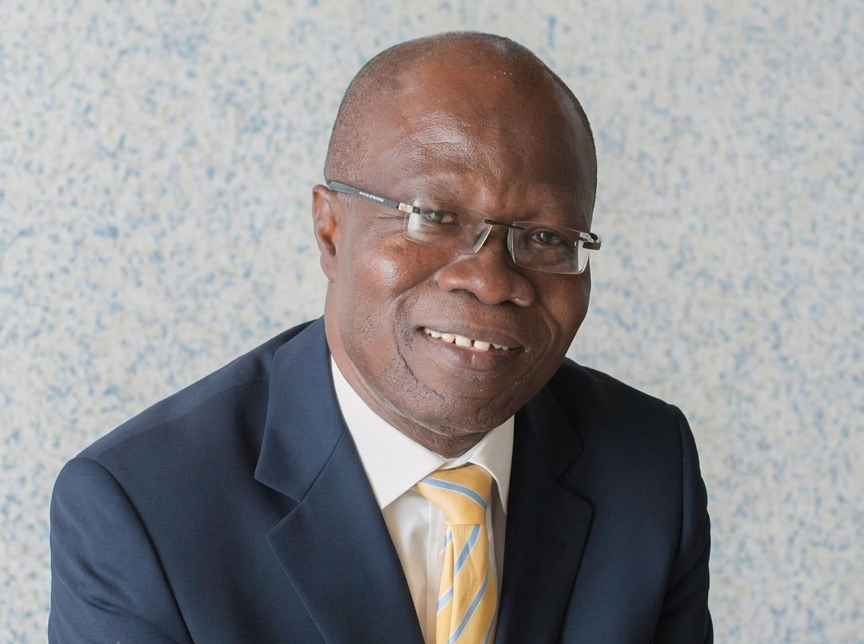
Speaking at the commissioning, Prof. Kwabena Biritwum Nyarko, Provost of the College of Engineering, emphasised the project's alignment with the College’s core mission. “This initiative perfectly reflects our commitment to producing industry-ready graduates while providing scientific leadership for national development,” he stated. “Our partnerships ensure our curriculum remains responsive, our students gain vital practical experience, and our research directly tackles real-world challenges, from innovation to job creation.”
Representing the Vice-Chancellor, Prof. Samuel Asare-Nkansah highlighted the NCEL’s role in addressing a critical national data gap. “Ghana’s commitment to the Paris Agreement requires a robust, unified emissions baseline, which has been lacking. The NCEL is a powerful model of the collaboration needed between academia and industry to build this foundation,” he said. He further noted the lab’s output will be instrumental in shaping evidence-based climate policy and proposing practical mitigation strategies for industry.
Naa Opoku-Agyeman, Managing Director of Yinson Ghana, framed the investment as part of a long-term vision for education and capacity development. “We believe in the transformative power of education. Our investment in this infrastructure looks beyond immediate impact, ensuring it serves as a resource for future students and engineers who will lead Ghana’s energy transition.”
CEO of the Petroleum Commission, Victoria Emeafa Hardcastle, described the commissioning as “a transformative journey and a forward-looking commitment to sustainability, innovation, and responsible resource development.”
The NCEL features an ultra-modern workspace that serves as both a dual-purpose research hub and a training studio. It is outfitted with high-performance computing for AI-driven analytics, modern research workstations, smart presentation systems, and enhanced security. As a living laboratory, it will foster innovation in emerging technologies, such as Carbon Capture, Utilisation and Storage (CCUS).
Dr. Yen Adams Sokama-Neuyam, the project's Principal Investigator and a Senior Lecturer in Petroleum Engineering, affirmed the team’s dedication. “We are committed to delivering cutting-edge research and high-level advisory services to support both government policy and industrial innovation. This project is a testament to the local oil and gas industry's serious investment in achieving its net-zero ambitions through in-country R&D.”
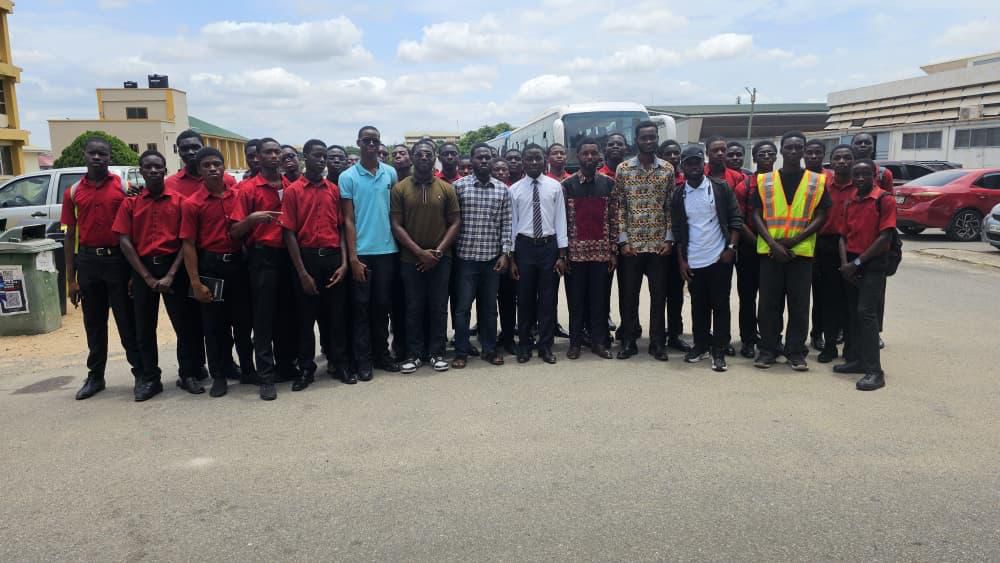
Demonstrating remarkable progress, the NCEP team has already assembled an interdisciplinary group, recruited six funded MPhil students, and advanced stakeholder engagements nationwide. Critically, the NCEL is designed for long-term sustainability. Unlike temporary project labs, it will sustain operations through revenue-generating services, including professional training, strategic advisory support, carbon credit validation, and specialised laboratory services.